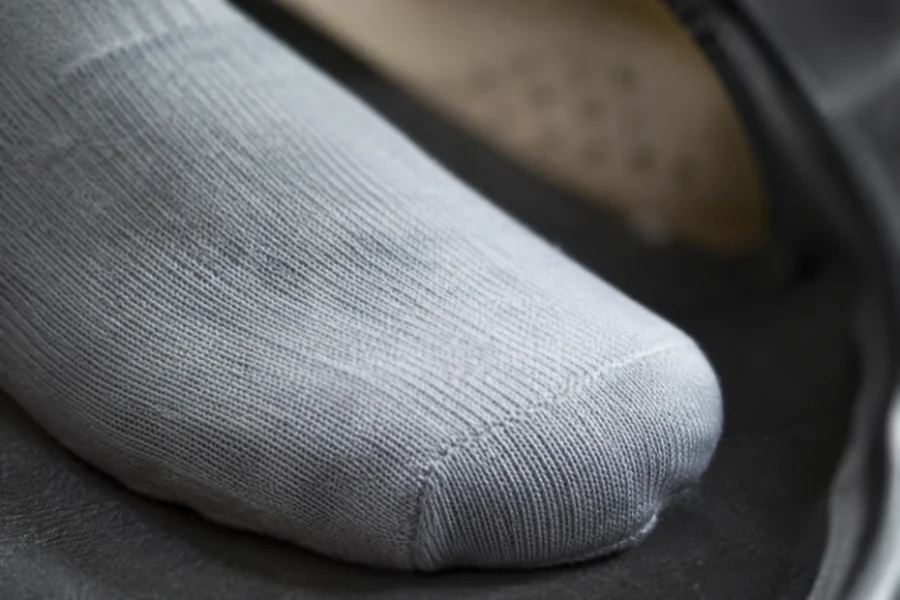
Daily foot comfort rarely depends on one big decision. It usually comes from several small details working together: socks that lie flat, shoes with adequate room, dry materials, and attention to irritation before it becomes harder to ignore. This approach can be useful for anyone, including people with sensitive feet, arthritis, sensory sensitivities, diabetes-related foot concerns, or those who have spent a long day walking, standing, working, or attending school.
For people who are especially aware of toe seams, bunching, or fabric pressure, Thuasne offers seamless socks for sensitive feet through its U.S. self-care store. The collection includes SmartKnit styles with a smooth toe construction, available in adult and children’s sizes. As a health-care product company with a catalog that includes orthotic, compression, and sensory-focused textile solutions, Thuasne is a relevant resource when ordinary socks cause discomfort.
Why Small Footwear Details Can Affect Daily Comfort
A wrinkle in a sock or rough lining may seem minor when dressing, but after a commute, shift, school day, or walk, it can become distracting. Moisture, friction, pressure, and misplaced seams can also cause discomfort.
Comfort varies: thick athletic socks may support one person but feel too warm or restrictive to another. Some need more toe room; others notice slight textures. Instead of copying someone’s shoe or sock preferences, follow your own comfort signals.
Start With a Quick Foot Check
Before putting on socks and shoes, take a moment to look at both feet. Check for redness, blisters, cracks, swelling, cuts, sore areas, or changes in skin color. It also helps to inspect the inside of each shoe for pebbles, rough lining, loose threads, or a flattened insole.
This habit is particularly important for people with diabetes or reduced sensation. Numbness can make it harder to notice a small cut, blister, or pressure point. The CDC recommends checking your feet every day, wearing shoes that fit well, and looking inside shoes for objects or rough areas before putting them on.
Choose Socks Based on the Day Ahead
Socks create the layer between the foot and the shoe, so their fit matters. Choose a pair that matches the activity, weather, and shoe you plan to wear. A sock should sit smoothly against the foot without twisting, sliding, or gathering under the toes or heel.
Features to consider
- Fit: Socks that are too large can bunch, while socks that are too small may feel tight or pull at the toes.
- Thickness: A thicker sock can change how a shoe fits, especially in the toe box and around the heel.
- Moisture management: Change socks after heavy sweating, exercise, or a long day in damp footwear.
- Cuff pressure: The top of the sock should feel secure without leaving painful indentations or feeling restrictive.
- Interior texture: A smoother interior may be more comfortable for people who are sensitive to seams or raised fabric details.
Match the Shoe to the Foot, Not Just the Outfit
A shoe should be comfortable when you try it on. Do not plan to solve pinching or rubbing by wearing the pair through pain. Look for enough room to move your toes, a heel that feels stable, a fastening system that holds the shoe securely, and materials suited to the conditions in which you will wear it.
Try new shoes later in the day, when feet can be somewhat larger than they are first thing in the morning. Wear the type of socks you expect to use regularly, then walk around the store or home for several minutes. Notice whether your toes touch the front, your heel slips, or one area begins to rub.
Build a Simple Morning Footwear Routine
- Inspect your feet for new tender spots, redness, blisters, or skin changes.
- Check socks for rough threads, stretched-out areas, or fabric buildup inside.
- Put socks on carefully so there are no folds, twists, or bunches around the toes and heel.
- Run a hand inside each shoe to check for debris, worn padding, or rough seams.
- Walk around indoors for a minute before leaving to confirm that everything feels right.
This routine takes little time, but it makes discomfort easier to address before it follows you through the day. If a sock feels wrong while standing still, it is unlikely to feel better after hours of movement.
Make Small Adjustments During the Day
Do not ignore a hot spot, rubbing, or a sock that has slipped under the heel. Stop when practical and smooth the fabric, retie the shoe, or switch to a dry spare pair of socks. Keeping an extra pair in a work bag, backpack, gym bag, or travel bag can be useful when weather, activity, or unexpected delays leave footwear damp.
Repeated rubbing in the same spot warrants investigation. The cause may be a worn shoe lining, an insole that has shifted, a sock that does not fit properly, or a shoe that is too narrow, short, or loose. Small adjustments can help, but recurring pain deserves more than a temporary workaround.
Special Considerations for Diabetes and Reduced Sensation
People with diabetes, neuropathy, or reduced foot sensation should be cautious, as injuries may not hurt initially. Avoid walking barefoot, even indoors; wear socks with shoes or slippers, and check feet and footwear daily.
Consult a doctor or podiatrist about recurring blisters, calluses, numbness, burning, tingling, or difficulty finding safe-fitting shoes. Socks and shoes support self-care but don’t replace medical evaluation when concerns arise.
When a Foot Problem Needs Medical Attention
Seek prompt medical advice for an open sore, drainage, spreading redness, swelling, warmth, severe pain, or a wound that is not improving. Changes in foot color or temperature, ongoing numbness, burning, tingling, or a noticeable change in foot shape also warrant professional attention. Do not assume that a new shoe or sock will solve a problem that may need treatment.
A Practical Weekly Footwear Checklist
- Wash socks after use and allow them to dry fully before wearing them again.
- Check shoes for worn lining, loose seams, uneven insoles, and trapped debris.
- Rotate shoes when possible so each pair has time to air out.
- Replace socks that no longer hold their shape or have rough, worn areas.
- Reassess fit when activity levels, swelling, foot size, or medical needs change.
Make Comfort an Everyday Habit
A more comfortable footwear routine is built from consistent, practical choices. Check your feet, choose socks that sit smoothly, wear shoes that fit from the start, and respond early when something rubs or feels wrong. Persistent pain, numbness, sores, or skin changes should always be treated as health concerns, not simply as clothing inconveniences.