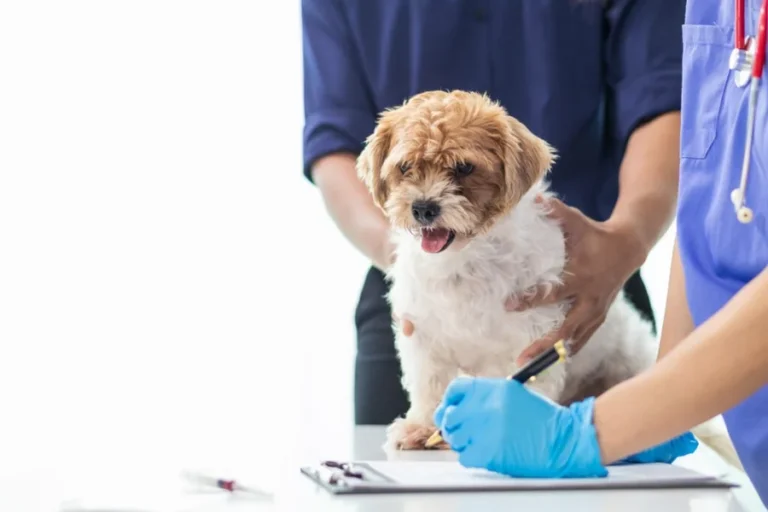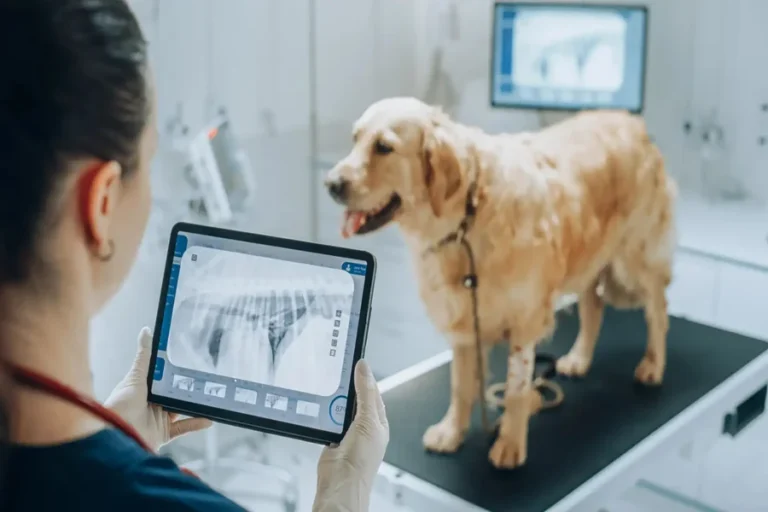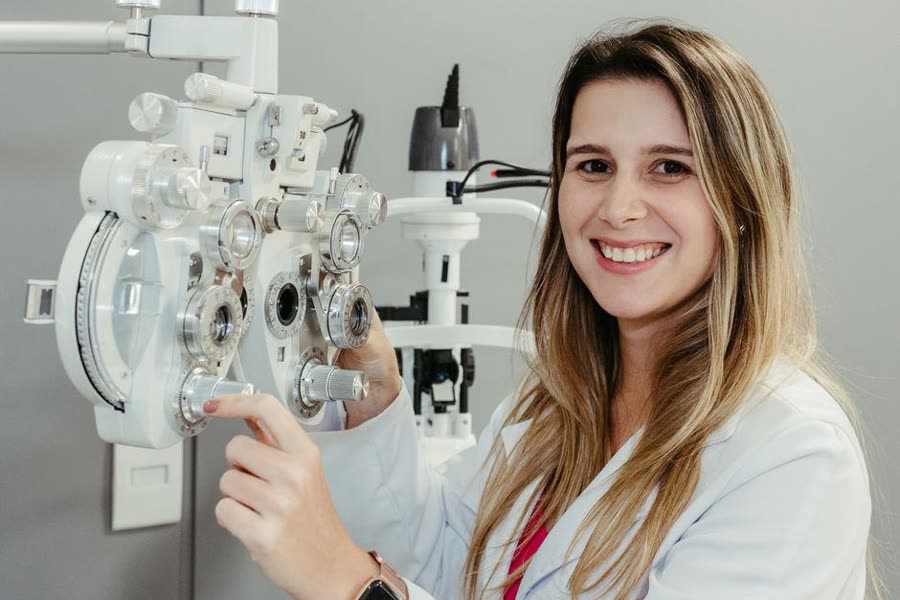
A visit to the veterinarian is a common part of pet ownership, but what happens when an animal faces vision problems that require specialised care? This is where establishments like The Eye Specialist for animals come into play, offering expert services to diagnose, treat, and manage ocular health issues in a variety of animals.
The Importance of Veterinary Ophthalmology
Veterinary ophthalmology is a specialised field that addresses the unique vision and eye health needs of animals. Animals, like humans, can suffer from a range of eye conditions, from cataracts to glaucoma, dry eye, and retinal diseases. The need for specific medical attention through expert ophthalmological services is critical to ensure that animals maintain optimal vision and quality of life throughout their lives.
Veterinary ophthalmologists are not just experts in animal eyes; they are skilled in understanding how eye diseases can affect an animal’s overall health and well-being. Their expertise extends beyond the common household pets to encompass a diverse range of species, including exotic animals and wildlife. This comprehensive approach ensures that all animals, regardless of their environment or life circumstances, receive the necessary attention to prevent and manage eye-related issues.
Specialised Services for All Species
The field of veterinary ophthalmology requires a tailored approach, recognising that the anatomical and physiological differences across species necessitate unique diagnostic and therapeutic techniques. For instance, a horse’s eye structure varies significantly from that of a dog, demanding different surgical techniques and medical management. For related reading, see how hospitals plan care for pets.
Among the various conditions treated by ophthalmic veterinarians are corneal ulcers, eyelid tumours, conjunctivitis, and retinal detachments. The role of veterinary ophthalmologists also extends to addressing breed-specific eye problems. Some breeds are genetically predisposed to ocular issues, making early detection and treatment essential in preventing progressive vision loss.
Advanced Diagnostic Technologies
Contemporary veterinary ophthalmology employs cutting-edge technologies to accurately diagnose and treat eye conditions. Techniques such as ocular ultrasound, advanced imaging, and sophisticated testing methods have revolutionised the ability to detect even the most subtle of ocular abnormalities.
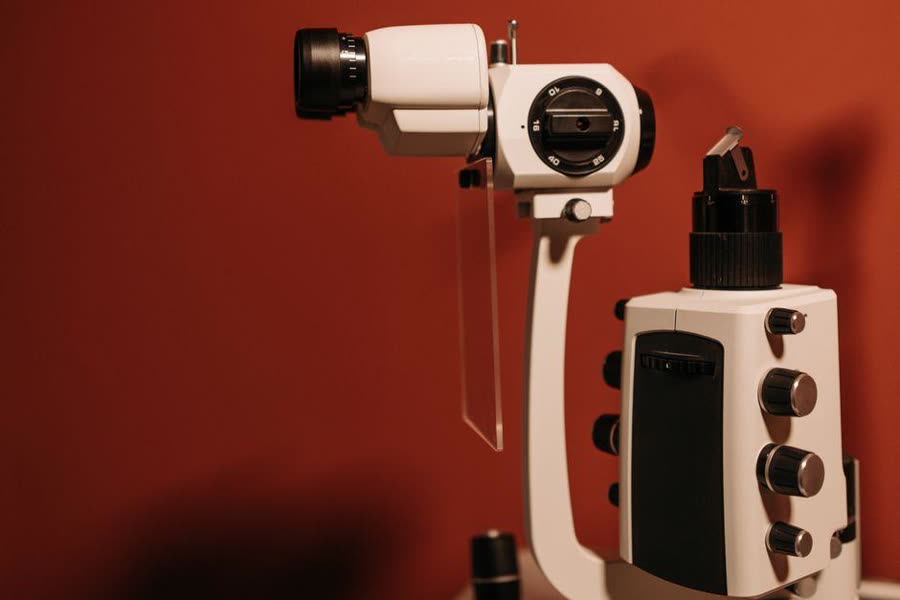
Through the use of slit lamp biomicroscopy and indirect ophthalmoscopy, precise examination of the animal’s eye can be performed, enabling the identification of conditions that might otherwise go unnoticed. These diagnostic tools enhance the veterinarian’s ability to provide targeted treatment plans that maximise the chances of successful outcomes.
Surgical Interventions and Treatments
The treatment of eye conditions in animals often involves surgical procedures. Veterinary ophthalmologists are adept at performing intricate surgeries, including cataract extraction, entropion and ectropion corrections, and lens luxation repairs. These procedures require a high degree of precision and skill, ensuring that animals benefit from reduced discomfort and improved vision.
In addition to surgical interventions, medical management plays a crucial role. The use of pharmacological agents to manage conditions such as uveitis or keratoconjunctivitis sicca is largely dependent on an accurate diagnosis and a thorough understanding of the pathophysiology of the disease.
The Role of Preventative Care
Preventative care is crucial in maintaining the ocular health of animals. Regular eye examinations allow for the early detection of potential problems, which can be crucial in preventing the progression of diseases that may result in vision impairment or blindness. Education on proper eye care, dietary considerations, and environmental factors also plays a significant role in preventative strategies.
Owners are advised to monitor their animals for any signs of discomfort or changes in vision. Symptoms such as excessive tearing, squinting, redness, or changes in eye appearance should prompt immediate veterinary consultation. The emphasis on early intervention cannot be overstated, as it often determines the prognosis and quality of life for the animal.
Training and Expertise of Veterinary Ophthalmologists
The journey to becoming a veterinary ophthalmologist involves extensive education and training. After obtaining a veterinary degree, aspiring specialists must complete a rigorous residency program focused on ophthalmology, followed by certification through a recognised veterinary ophthalmology board. This path ensures that these specialists are equipped with the knowledge, technical skills, and clinical experience necessary to deliver high-standard care to animals of all kinds.
Collaboration and Research
The field of veterinary ophthalmology is supported by ongoing research and collaboration among specialists. New discoveries and technological advancements are regularly integrated into practice, ensuring that animals receive the most effective and innovative care available. Collaboration between veterinary ophthalmologists and other veterinary professionals, such as internists or neurologists, is often crucial in managing complex cases that involve multiple systems within the animal’s body.
Additionally, research plays a fundamental role in advancing the understanding of genetic causes of eye diseases, novel treatments, and the development of new surgical techniques. Veterinary ophthalmologists frequently engage in research projects to further the collective knowledge within the field and improve clinical outcomes for animals worldwide.
Client Education and Support
Effective communication and education of pet owners are integral aspects of veterinary ophthalmology. Specialists take the time to explain diagnoses, treatment options, and realistic outcomes to pet owners, empowering them to make informed decisions about their animals’ care. Providing ongoing support and guidance throughout the treatment process helps ensure compliance and optimal recovery for the animal.
By fostering a strong relationship and trust between veterinary professionals and pet owners, the likelihood of successful management of ocular conditions improves significantly. This collaboration also enhances the quality of life for animals, as owners are more equipped to provide continuous care and attention to their pet’s needs.
Conclusion
Veterinary ophthalmology remains a critical component of animal healthcare, offering specialised services that address the diverse and intricate needs of animal eye health. Through advancements in diagnostic and treatment methodologies, coupled with a commitment to education and research, veterinary ophthalmologists continue to enhance the well-being and vision of animals everywhere.