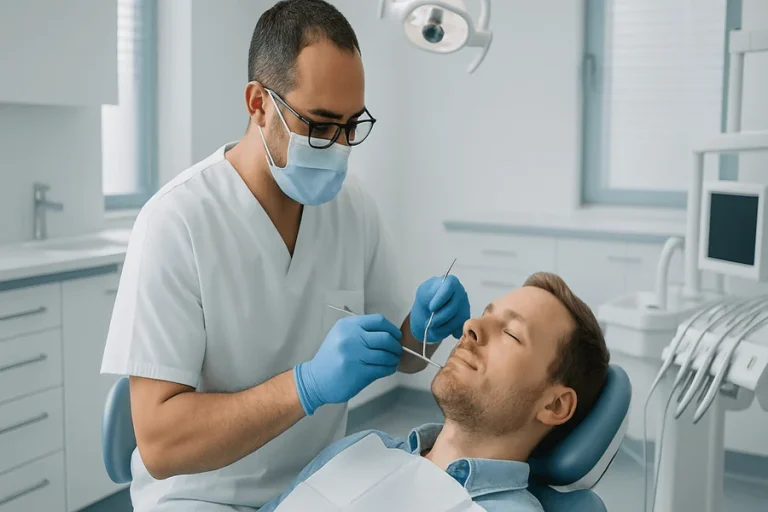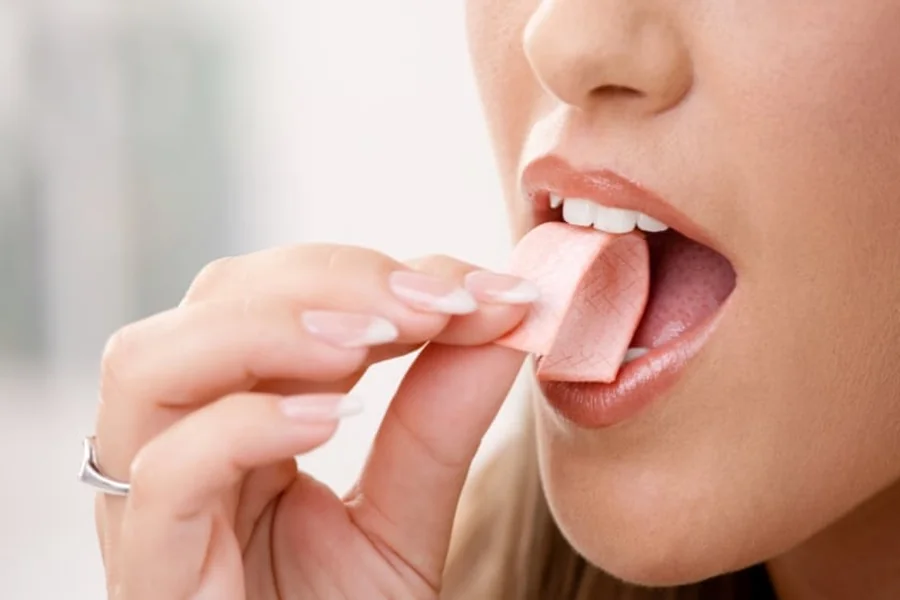
Most people treat gum like a post-meal mint. Twenty seconds of flavor, then it’s gone. That little habit is exactly where the benefit of xylitol hides and dies.
I’ve chewed gum for years without thinking about it. Then I read how xylitol actually works and realized I’d been doing the right thing at the wrong moment, in the wrong amount, for no reason. If you’ve wandered onto this topic wondering whether the stuff is worth the pocket space, here’s the short answer: yes, but only if you change when and how you chew.
The real payoff sits in a narrow routine window. Get that window right and a pack of xylitol gum turns into the cheapest dental habit you own. Get it wrong and you’re just paying for breath.
What’s Actually Happening Inside Your Mouth
Xylitol is a sugar alcohol. It tastes sweet, so your tongue expects a sugar rush, but the cavity-causing bacteria in your mouth can’t feed on it the way they feed on sucrose. Instead, they take it in, can’t use it, and burn energy trying. That’s the mechanic worth knowing: it isn’t protective armor around your enamel. It’s a decoy your mouth burns a little energy on.
The American Dental Association recognizes the role of sugar substitutes in limiting cavity risk, and that baseline is why xylitol shows up in gum, mints, toothpaste, and mouthwash. None of those products are magic. What they have in common is exposure over time.
Here’s my honest take: I care far less about the brand than about the frequency. A cheap pack you actually chew after every meal beats a premium pack sitting in your desk drawer. That’s the whole game.
Why Timing Beats Amount
You’ve probably seen xylitol products priced anywhere from a few dollars to twenty. The price rarely tracks the actual benefit. Frequency does.
Your mouth needs enough exposure to shift the balance of bacteria away from the acidic state that comes after eating. One piece a day, chewed right before bed, doesn’t move much. Several pieces through the day, timed to when you actually eat, starts to matter.
Think about your own day. Breakfast on the way out the door. Coffee at ten. Lunch at your desk, crumbs in the keyboard. An afternoon snack. Dinner, maybe a late snack. Every one of those moments drops sugar and starch onto your teeth. Every one of those moments is a small window where a piece of gum does more work than it would at any other time.
How Many Pieces, Realistically
Common guidance from manufacturers lands somewhere around five to ten grams of xylitol a day, spread across multiple chewing sessions. That’s a handful of pieces, not a single heroic one. If you’re only chewing one, the number is the problem.
Don’t try to hit the whole target in one sitting. Your digestive system will lodge a complaint, and the complaint usually arrives unexpectedly and at an inconvenient location.
If you’re wondering why a company would bother making a whole line of these products instead of one item, the answer is boring and useful: they’re chasing the same frequency logic. Toothpaste, mints, mouthwash, gum, each one is another touchpoint in your day. More touchpoints, more exposure. That’s it.
A Starter Routine You Can Run This Week
Here’s what I’d actually do if I were starting from zero, ordered by what matters most.
- Anchor it to meals, not clock time. Every time you eat, chew. No meal, no piece. This one rule covers most of the benefit without any tracking.
- Keep a pack in three places. Car, desk, and kitchen drawer. The pack you have to hunt for is the pack that never gets chewed.
- Chew for fifteen to twenty minutes. Then spit it out. Longer doesn’t add anything except jaw fatigue.
- Skip it right before bed if it’s your only piece. A bedtime piece is the least useful in the day. That slot matters more for brushing.
- Check the label for the sweetener order. If xylitol is buried in the middle of the ingredient list, you’re getting mostly sorbitol and flavor.
That’s the whole plan. Five lines, no app required. The people I know who actually stick with a routine aren’t the ones with the most discipline. They’re the ones who put a pack where their hands already go.
The Mistakes That Quietly Cancel the Benefit
Chewing gum with sugar is not the same as chewing sugar-free gum, and the difference matters more than people assume. If the first ingredient is sucrose, you’re feeding exactly what you’re trying to starve. Check the pack before you trust it.
Chewing a single piece for two hours doesn’t extend the benefit, either. Fresh pieces on a schedule do more than one long chew. And chewing during a meal is fine for breath, but the useful window is the twenty minutes after, when your mouth is still recovering from the food.
The U.S. Food and Drug Administration regulates sugar substitutes, and xylitol is on the approved list of food additives. That’s a baseline for safety, not a magic pass. It’s a food ingredient. Treat it like one.
One more thing to get out of the way: xylitol is highly toxic to dogs. If you have a dog that gets into bags and purses, keep your packs somewhere closed. I’m not overstating this. It’s the single most important safety note in this whole article, and every dog owner who chews the stuff should know it.
What Research Supports and What It Doesn’t
Xylitol is a well-studied food ingredient, and the National Institutes of Health funds and publishes a broad range of oral health research. What you’ll find if you look is consistent support for the general idea: cutting sugar and adding sugar alcohols reduces cavity risk. What you won’t find is evidence that gum substitutes for brushing, flossing, or a cleaning visit.
It doesn’t. Nobody serious in this space claims otherwise.
So think of it as a small lever, not a load-bearing wall. It fits into the everyday gaps where you can’t brush but you can chew. That’s a real spot in your day, and it’s a spot most people leave open.
How I’d Decide If It’s Worth It for You
If you’re already brushing twice and flossing most days, gum is a cheap add-on. If you’re brushing once and skipping dentist visits, gum is not the lever you should pull first. Fix the base layer, then add the small one.
If your mouth goes dry during the workday, gum earns its spot for relief alone. If you chew regular gum anyway, making the switch costs nothing but a label read. If you hate the taste of xylitol gum, don’t force it. It’s not a medication.
The label on a pack tells you almost everything you need. Everything else is habit.
The Short Version
Chew after meals. Keep packs where your hands already go. Do it most days, not once. Keep it away from your dog. And treat it as a supporting habit, not a substitute for the boring stuff that’s been working for decades.
The best thing about a routine built around a piece of gum is that it’s the lowest-friction dental habit you’ll ever start. No appointment, no timer, no special gear. Just a pack in the car and a reason to reach for it.
What’s the first meal this week where you could slot one in?