

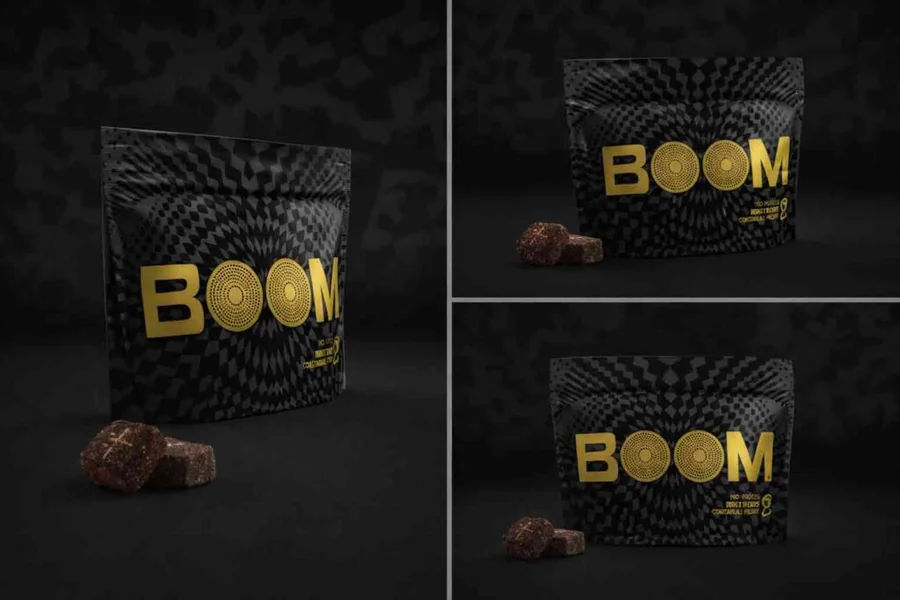
Mushroom gummies have become a popular format for products that contain mushroom-derived ingredients. They combine familiar gummy textures with powders, extracts, or blends made from different mushroom species.
However, not every mushroom gummy contains the same ingredients. Some products use functional mushrooms, while others may contain compounds associated with psychoactive mushrooms. Their formulas, labeling, serving sizes, and legal status can therefore vary considerably.
Understanding these differences makes it easier to read product labels and recognize what a mushroom gummy actually contains. This guide explores common forms, ingredients, formulation methods, and important considerations without relying on marketing claims.
Why Gummies Are Used for Mushroom Products
Gummies provide a simple food format for incorporating powdered or extracted ingredients. Their soft texture also allows manufacturers to combine mushroom ingredients with flavors and sweeteners.
The gummy format can help reduce the earthy taste often associated with mushroom powders. Fruit flavors, natural or artificial flavorings, and acidity can create a more familiar taste.
Another characteristic is portioning. Individual pieces can be manufactured to contain a defined amount of the overall formulation. However, the amount of mushroom material in each piece depends on the specific product.
A Shroom gummy may therefore look similar to an ordinary fruit gummy while having a very different ingredient profile. The name alone does not explain its contents, so the ingredient panel remains important.
Different Forms of Mushroom Gummies
Mushroom gummies can be formulated in several ways. The mushroom ingredient may come from whole mushroom material, powdered mushrooms, extracts, or blends.
Whole Mushroom Material
Whole mushroom material generally refers to the physical mushroom that has been dried and processed. It can contain a broad range of naturally occurring components.
The composition depends on the species and the part of the mushroom used.
Mushroom Powder
Powdered mushrooms are created by drying and grinding mushroom material. The resulting powder can be incorporated into various food products.
Powders may retain characteristics of the original mushroom, including its color, aroma, and earthy flavor.
Mushroom Extracts
Extracts involve additional processing to concentrate particular components of the mushroom. Different extraction methods can produce different compositions.
For this reason, simply seeing the word “extract” does not provide enough information about concentration or potency. Details about the mushroom species and formulation are still relevant.
Mushroom Blends
Some gummies contain a combination of mushroom ingredients. A blend may include several functional mushroom species or other botanical ingredients.
A clear label should identify the ingredients used rather than relying only on a general term such as “mushroom blend.”
Common Ingredients Found in Gummies
The mushroom component is only one part of a gummy formula. Manufacturers typically need several ingredients to create the desired texture, flavor, and stability.
Sweeteners are commonly used to provide the characteristic taste of gummies. These can include sugar, glucose syrup, or alternative sweetening ingredients.
Gelling agents create the soft or chewy structure. Gelatin is one option, while pectin is commonly used in plant-based formulations.
Flavoring ingredients help create profiles such as berry, citrus, apple, or tropical fruit. Citric acid and similar ingredients may also be used to provide acidity.
Other ingredients can include water, oils, coloring agents, preservatives, and processing aids. The exact formula varies from one product to another.
Functional Mushrooms vs. Psychoactive Ingredients
The term “mushroom product” covers several different categories.
Functional mushrooms such as lion’s mane, reishi, cordyceps, and chaga are commonly used in wellness-oriented foods and supplements. They are generally associated with nutritional or traditionally discussed properties.
Psychoactive mushrooms are different. Certain species contain compounds that can affect perception, mood, cognition, and nervous system activity.
This distinction is important because the presence of the word “mushroom” does not automatically indicate what type of ingredient a product contains.
Consumers should identify the actual mushroom species and other active ingredients rather than relying on general product descriptions.
How Brands Approach Mushroom Formulation
Developing a mushroom gummy involves more than adding a mushroom powder to a standard candy formula.
Manufacturers need to consider ingredient compatibility, texture, flavor, moisture levels, shelf stability, and processing conditions.
Some mushroom ingredients have strong flavors that can affect the final product. Extracts may also behave differently from powders during processing.
Temperature can be another consideration. Certain naturally occurring compounds may respond differently to heat, moisture, or storage conditions.
The final gummy therefore depends on both the mushroom ingredient and the food formulation surrounding it.
What Product Names Can and Cannot Tell You
Product names often use terms designed to communicate a particular style or category. Names may include words such as “mushroom,” “functional,” “blend,” or other descriptive terms.
A product name does not necessarily provide enough information to determine its complete formulation.
For example, Boom mushroom bars may appear in discussions about mushroom-based edible products, but the name itself should not be treated as a substitute for ingredient information.
The actual label, product documentation, and applicable regulations provide more useful information.
Understanding Serving Information
Serving information can sometimes be confusing because several measurements may appear on the packaging.
A label might describe the number of gummies in a serving, the total weight of the package, or the amount of a particular ingredient.
These measurements are not interchangeable.
A serving refers to the manufacturer’s stated portion. Ingredient quantity describes how much of a particular component is present. Potency refers to the concentration or strength of an active compound.
These distinctions become especially important when products contain ingredients with psychoactive properties. Terminology such as “microdose” may also be used inconsistently and does not have one universal meaning across all products.
Reading a Mushroom Gummy Label
A careful look at the label can reveal several useful details.
Start with the ingredient list. Identify the mushroom species and determine whether the formula uses powder, extract, or another form.
Next, check the serving information. This can help explain how the manufacturer defines an individual portion.
Allergen information is also important. Depending on the formulation, gummies may contain ingredients such as gelatin, dairy components, nuts, or other potential allergens.
Storage instructions should not be ignored. Heat, humidity, and exposure to air can affect the texture and stability of many gummy products.
If laboratory testing or batch information is provided, those details can offer additional context about the formulation.
Legal and Regulatory Differences
Mushroom products are not regulated identically everywhere. Laws can depend on the mushroom species, active compounds, product category, and intended use.
Functional mushroom ingredients may be treated differently from products containing controlled or psychoactive compounds.
Rules can also change over time. A product permitted in one jurisdiction may be restricted in another.
Anyone researching mushroom gummies should therefore consider the regulations that apply to the specific location rather than assuming that a product has the same legal status everywhere.
Safety and Individual Considerations
Mushroom products can affect people differently depending on their ingredients and individual circumstances.
Allergies are one consideration. People with known mushroom allergies or sensitivities should review ingredient information carefully.
Interactions with medications or existing health conditions may also be relevant. Products containing psychoactive compounds require additional caution because their effects can involve perception, coordination, mood, and cognition.
Children and other vulnerable groups should not be assumed to be appropriate users of these products simply because they resemble ordinary candy.
Clear ingredient information is one of the most important factors when evaluating any mushroom-infused food.
Why Transparency Matters
The mushroom product market contains many different formulations. Some provide detailed information about their ingredients, while others use broad terminology.
Transparency helps consumers distinguish between products.
Useful information can include the mushroom species, ingredient form, serving information, allergen details, storage instructions, and relevant testing information.
Marketing language should not replace these details. A product described as “natural” or “plant-based” can still contain a complex mixture of ingredients.
The more clearly a product communicates its formulation, the easier it is to understand what the product actually represents.
The Bottom Line
Mushroom gummies come in many forms, and their ingredients can vary significantly. Some use functional mushroom powders or extracts, while others may contain different mushroom-derived compounds.
The gummy format mainly describes the delivery form. It does not automatically explain the mushroom species, potency, or intended effects.
Reading the ingredient list, understanding serving information, checking allergens, and considering local regulations are all useful steps when evaluating these products.
As mushroom-infused foods continue to develop, better label awareness can help consumers separate general marketing language from meaningful product information.
FAQs
What are mushroom gummies?
They are gummy-based products containing mushroom-derived powders, extracts, blends, or other mushroom ingredients.
Do all mushroom gummies contain psychoactive mushrooms?
No. Some contain functional mushrooms, while others may contain different mushroom-related compounds.
What is the difference between mushroom powder and extract?
Powder is generally dried and ground mushroom material, while an extract undergoes additional processing.
Why are fruit flavors common in mushroom gummies?
Fruit flavors can help balance the earthy taste associated with some mushroom ingredients.
What should I check on a mushroom gummy label?
Look for the mushroom species, ingredient form, serving information, allergens, and other active ingredients.
Is microdosing a standardized term?
No. The term does not have one universal definition across mushroom products.
Can mushroom gummies contain allergens?
Yes. Depending on the recipe, they can contain ingredients such as gelatin, dairy, nuts, or other allergens.
Are mushroom gummies legal everywhere?
No. Regulations vary based on the ingredients and the jurisdiction.