

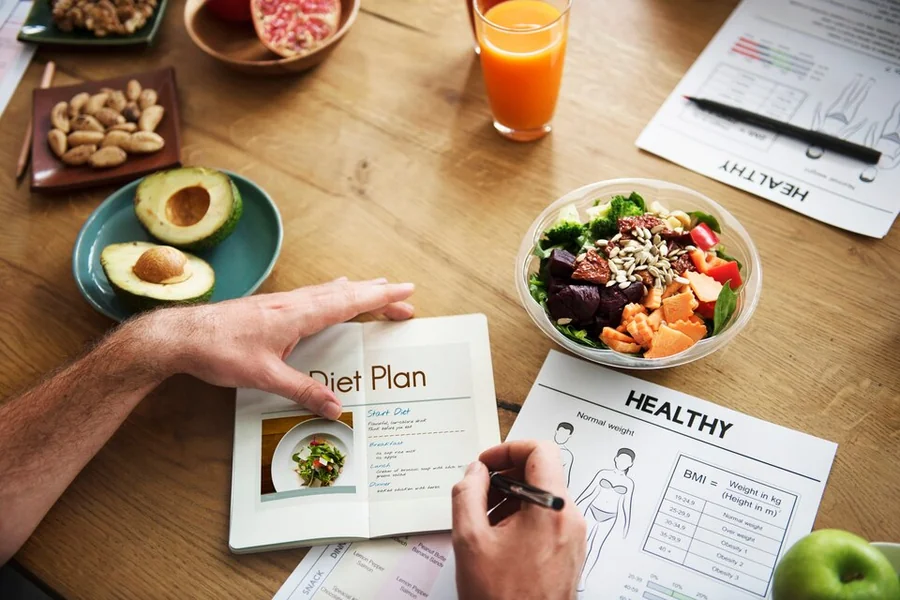
A healthy way of living means a lifestyle pattern that will benefit your physical and mental health in the long run. This involves the intake of well-balanced meals, regular physical activity, sufficient rest, stress reduction and avoidance of bad habits such as smoking or overindulgence in alcohol. Don’t change your life drastically. Simple, subtle tweaks such as sipping extra water or going for brief strolls can help yield concrete and permanent benefits. Perfection is not the objective here. It’s growth that can be maintained.
Why Small Changes Matter More Than Big Resolutions
The problem with most people is that they set their New Year’s resolutions too high and set going towards them too rapidly. Stop eating any sugar, run 5 miles a day or get up at 5 a.m.—these seem like ideal targets, but few actually last long in the real world.
Slow changes make more sense, as they don’t need willpower marathons. They integrate into your current lifestyle rather than making you start over. There’s no need to disrupt your day when you replace one soda with water or skip the elevator for the steps. You’re making minor changes to it.
These tweaks add up over the course of weeks and months. Behavioral scientists frequently recommend habit stacking, a strategy of pairing a new habit with an existing one that can help ensure success. Try saying “After I brush my teeth, I’ll do ten push ups.” instead of “I will exercise more.” The specificity eliminates the need for guesswork and simplifies follow-through.
Nutrition Tweaks That Don’t Require a Diet Overhaul
It’s not a matter of doing a “meals on a plan” diet; it’s easier to eat better. Some simple changes can help you change your food routine without making eating sound like drudgery.
Place vegetables first and then remove. Don’t eliminate foods, just add vegetables to what you’re already eating. This makes other foods that aren’t as healthy seem less appealing.
Drink before eating. It aids in digestion and can help avoid over eating, as thirst is sometimes confused with hunger.
Have one meal that is made at home each week. Regularly or sometimes, preparing meals at home means you have greater control over what you eat and how much.
Don’t follow diet fads or follow labels. Look for added sugar and sodium instead of following the latest fad diet.
Don’t skip breakfast entirely. Fruit and yogurt help to maintain steady energy levels during the morning—even something simple.
These changes are called low effort high impact. You are not giving up your favorite foods, you’re just making a place for good foods to fit in.
Moving Your Body Without a Gym Membership
Working up a sweat doesn’t have to mean an hour at the gym five days a week. That is actually what sometimes prevents people from even beginning to begin with.
Walking is one of the best-kept exercise secrets. Walking 20-30 minutes a day can be helpful to cardiovascular fitness, mental health and no equipment is needed. Take a short walk or stretch break if you’re sitting at a desk all day. That’s enough to diminish the health hazards associated with inactivity.
At home, you can perform body weight exercises in less than 15 minutes, such as squats, push-ups and lunges. Strength doesn’t need to use weight when you’re first starting out. Simple tasks, such as doing the garden, cleaning or carrying groceries, are considered physical activity.
The principle is not the intensity, but the consistency! It’s better to get up and move a little daily than to do a big workout once a week, when you may be so sore that you can’t even do it again the next week.
Sleep: The Habit Most People Overlook
When life gets busy, sleep is one of the first things to go, and it impacts almost every other aspect of life — mood, ability to concentrate, appetite, and even immune function. Most adults require 7-9 hours of sleep per night, and while more is good, quality is equally important.
However, there are some habits that can help you sleep better without making any major changes in your lifestyle:
- Have a regular nighttime routine, including weekends.
- Turn off the lights and unplug an hour before sleep.
- No caffeine in late afternoon/evening.
- Avoid having a lighted window in your bedroom.
It isn’t just that poor sleep makes you tired. It impairs judgment, raises stress hormones and can trigger eating more the following day. Getting a good night’s sleep is one of the easiest steps you can take to boost your overall health, and it’s free.
Managing Stress Before It Manages You
Stress will occur, however, how you react to it is what will make a big difference. Long-term stress, without coping, can lead to a variety of health issues, including elevated blood pressure and compromised immune function.
An hour of meditation is not needed to effectively manage stress. Just five minutes of proper breathing can help to calm the nervous system and reduce heart rate. Just a few minutes of journaling a day can also be useful in clearing out your thoughts, which helps you to not have to carry them around all day.
Another stress management trick people don’t recognize is to set boundaries. Becoming skilled at saying “no” to activities that are energy consuming allows for the time and mental focus that can be dedicated to the activities that are meaningful. Speaking with a friend, family member or therapist about things that are troubling you can also take some of the weight off your shoulders.
Building Habits That Actually Stick
The hardest part of healthy living is not getting started, it’s staying started. Days come when you don’t feel like coming to class, but systems and routines get you through.
Start with one habit at a time. It is also very difficult to have a new diet, exercise and sleep pattern within a few weeks without getting burnt out. Rather, choose one change and practice it for a couple of weeks before adding in a second one.
Keep an eye on your progress, if you can, even if it is just a little bit. If you’re interested in seeing trends and patterns, such as which days you’re not getting to the gym, a simple checklist or habit tracker app can reveal them so you can make the necessary changes before you go under the bridge.
Expect setbacks. You can’t lose one day or add an unhealthy day and start over. Getting back on the routine the following day is key, not the end of the world.
Final Thought
Making healthier lifestyle changes doesn’t have to be a drastic or unreasonable change. It begins with step-by-step changes: increasing fluid intake, working extra steps, getting a bit better sleep, using stress management techniques that work for you. These changes, coupled with consistency, create the basics for future health.
You don’t have to make all these changes today. Take one of these habits and start there and then momentum will take over. A healthy lifestyle is not meant to be a perfect lifestyle, it’s a lifestyle that is moving forward.