
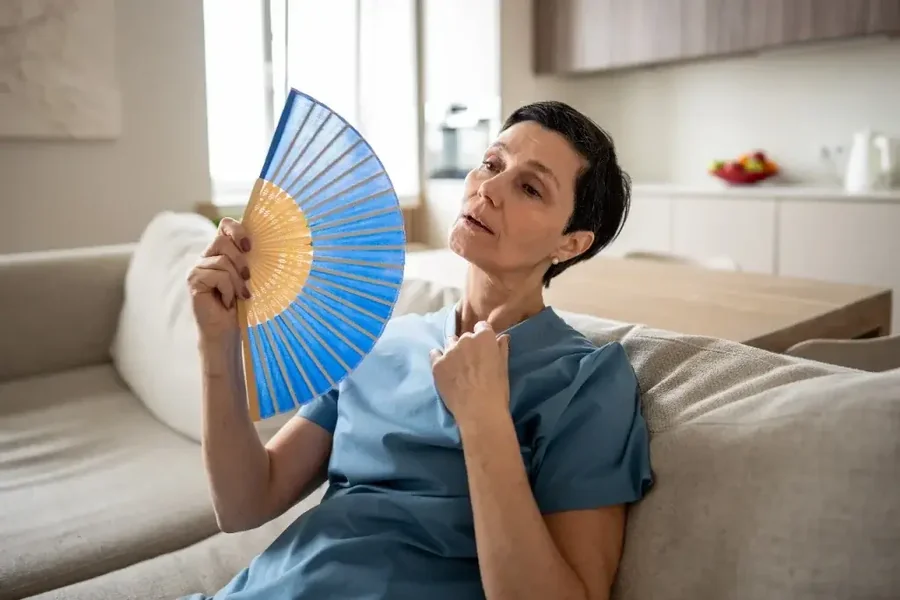
You sit on the exam table, wearing a paper gown, trying to explain the relentless night sweats and brain fog that disrupt your daily life. You mention the sudden weight gain and the discomfort that makes intimacy feel impossible. Instead of offering a medical solution, your doctor offers a patronizing smile and suggests that you just need to reduce your stress.
The emotional and physical toll of having severe symptoms dismissed as anxiety or “just a normal part of getting older” is exhausting. It is incredibly frustrating to know something is wrong with your body, only to have medical professionals minimize your daily reality.
You do not have to suffer through these symptoms; true biological drivers require specialized medical management. If you have spent years being told that your hot flashes, brain fog, or sleep issues are just a normal part of getting older, it is time to seek a second opinion from a clinic that looks at your actual hormonal drivers. Finding specialized menopause symptom treatment in Westchester can help you reset failed care and get a personalized, root-cause evaluation.
Key Takeaways
- Menopause symptoms are biologically driven medical conditions, not “just aging” or stress.
- Current medical guidelines support Hormone Replacement Therapy (HRT) as a safe, highly effective treatment for most healthy women under 60.
- For those who cannot take hormones, FDA-approved non-hormonal medications and laser therapies offer significant relief.
- A true “root-cause” evaluation requires comprehensive blood work, personalized treatment plans, and continuous monitoring by a certified specialist.
The Biological Reality: What Is Actually Happening to Your Body?
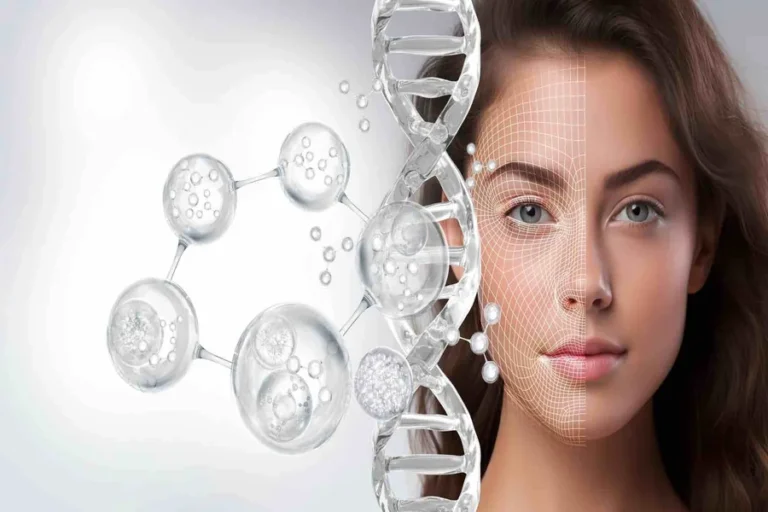
To understand why you feel so off-balance, you have to look at the specific hormonal changes happening beneath the surface. Your ovaries are changing how they produce estrogen and progesterone. Estrogen acts as a master regulator in the body, influencing everything from your brain’s temperature control center to the elasticity of your tissues.
Progesterone works closely with estrogen and plays a major role in regulating your mood and promoting restful sleep. During perimenopause, these hormones do not simply slowly taper off. Instead, they spike and crash in wild, unpredictable patterns.
These chaotic hormonal shifts connect directly to the classic symptoms you are experiencing. When estrogen levels drop rapidly, your brain gets confused about your body temperature, triggering severe hot flashes and night sweats. A lack of estrogen also causes vaginal tissues to thin and lose lubrication, leading to painful sex. Meanwhile, erratic progesterone levels can leave you feeling anxious, irritable, and completely unable to sleep through the night.
It helps to understand how these drivers evolve over time. In early perimenopause, the primary culprit is often the rollercoaster-like fluctuation of hormones. By late perimenopause and post-menopause, your body is dealing with a state of permanent hormone depletion. Both stages require distinct, targeted medical strategies to keep you comfortable and healthy.
The New Standard of Care: What the Guidelines Say About HRT
For a long time, women were told to fear Hormone Replacement Therapy (HRT) due to highly publicized, yet flawed, studies from the early 2000s. This outdated misinformation caused millions of women to abandon a treatment that could have drastically improved their quality of life. Today, the medical community has thoroughly re-evaluated that data, leading to a complete shift in the standard of care.
Modern experts have established a clear, supportive stance on hormonal treatments. The North American Menopause Society (NAMS) 2022 guidelines state that for most healthy, symptomatic women under 60, the benefits of hormone therapy outweigh the risks. When started at the right time, HRT protects your bones, supports your heart health, and drastically improves your daily comfort.
It is also important to understand the difference between the types of hormone therapy available. Systemic HRT, delivered via patches, pills, or gels, circulates throughout your entire body to treat hot flashes, brain fog, and bone loss. Local estrogen therapies, like low-dose vaginal creams or rings, stay confined to the pelvic area to specifically treat tissue elasticity, dryness, and bladder issues without raising estrogen levels in the rest of your body.
Beyond Hormones: Effective Non-Hormonal and Laser Therapies
While HRT is the gold standard, it is not the only path to relief. Many women cannot use hormonal treatments due to a personal medical history of certain cancers or blood clots. Others simply choose not to use them. For these women, modern medicine offers highly effective, non-hormonal alternatives.
There are several FDA-approved, non-hormonal medications specifically designed to target disruptive symptoms. For example, Osphena is an oral medication that helps treat painful intercourse by acting like estrogen specifically in the vaginal tissues. Brisdelle, a low-dose non-hormonal pill, is officially approved to reduce the frequency and severity of hot flashes.
For targeted relief of vaginal dryness and pain, the MonaLisa Touch provides a fast, non-hormonal solution. This painless, minimally invasive laser treatment gently stimulates the vaginal walls. The fractional CO2 laser encourages the body to produce new collagen and blood vessels, naturally restoring moisture and elasticity without a single drop of medication.
Patients can also find relief through evidence-informed herbal supplements and over-the-counter interventions. High-quality hyaluronic acid vaginal moisturizers can provide excellent daily comfort. When combined with prescription therapies, these supportive treatments create a comprehensive safety net for your symptoms.
| Therapy Category | Treatment Method | Target Symptoms | Key Benefits |
|---|---|---|---|
| Hormonal (HRT) | Patches, pills, gels, vaginal creams | Hot flashes, bone loss, brain fog, vaginal dryness | Highly effective, prevents osteoporosis, fully restorative |
| Non-Hormonal Meds | Oral medications (e.g., Brisdelle, Osphena) | Severe hot flashes, painful intercourse | Safe alternative for women avoiding systemic estrogen |
| Laser Therapy | MonaLisa Touch (Fractional CO2 laser) | Vaginal thinning, severe dryness, pain during sex | Painless, fast in-office procedure, zero systemic side effects |
What to Expect from a Root-Cause Menopause Evaluation
Standard primary care often relies on a frustrating “guess and check” approach to menopause. A doctor might hand you a generic prescription for an antidepressant and tell you to come back in six months if you still feel bad. A true root-cause evaluation looks completely different and puts your unique biology at the center of the plan.
A thorough workup begins with comprehensive blood panels. A specialized clinic will look far beyond basic cholesterol levels. They will check your full hormone profile, thyroid function, and specific vitamin deficiencies to get a complete picture of your metabolic health.
Once your baseline is established, your doctor will build a personalized treatment plan. This plan requires ongoing monitoring and continuous refinement. Because your hormone profile will shift as you move from perimenopause into post-menopause, your treatments must adapt alongside your changing body.
High-quality care also emphasizes integrated, whole-person support. Menopause does not just cause physical discomfort; it impacts your emotional well-being, your energy levels, and your intimate relationships. A root-cause evaluation addresses physical symptoms right alongside your mental health and intimacy concerns, ensuring you feel entirely supported.
How to Find the Right Menopause Specialist in Westchester
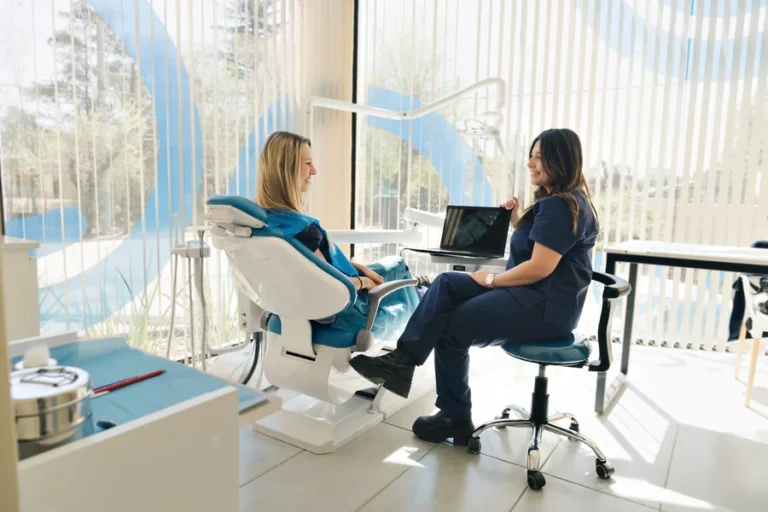
If you are ready to reset your healthcare experience, you need to know exactly what to look for in a local provider. General practitioners are great for annual physicals, but complex hormonal transitions require dedicated expertise. You should specifically seek out Certified Menopause Practitioners (CMPs).
These practitioners have undergone rigorous, specialized training focused entirely on menopause and sexual medicine. They understand the latest NAMS guidelines and know how to safely prescribe and monitor advanced hormonal treatments.
You should also look for a clinic equipped with state-of-the-art, on-site diagnostics. Having access to in-house blood work and advanced therapies like the MonaLisa Touch means you get faster answers and more cohesive care. The best clinics will also prioritize shared decision-making, sitting down with you to discuss the pros and cons of every option so you stay in control of your body.
Above all, remember to advocate for yourself. If your current doctor minimizes your experience, interrupts you, or refuses to run comprehensive labs, you have the right to walk away. Seeking a second opinion from a dedicated specialist in Westchester is the best step you can take toward reclaiming your health.
Conclusion
Menopause symptoms are not a sign that you are just getting older and have to settle for feeling miserable. They are valid, biologically driven conditions that are highly treatable with modern medicine. From customized Hormone Replacement Therapy to advanced laser treatments, the tools exist to help you feel like yourself again.
No woman should have to accept a diminished quality of life under the guise of “just aging.” You deserve medical care that validates your physical reality and offers evidence-based solutions rather than dismissive platitudes. By partnering with a specialized, empathetic local clinic, you can successfully reclaim your comfort, your health, and your intimacy.