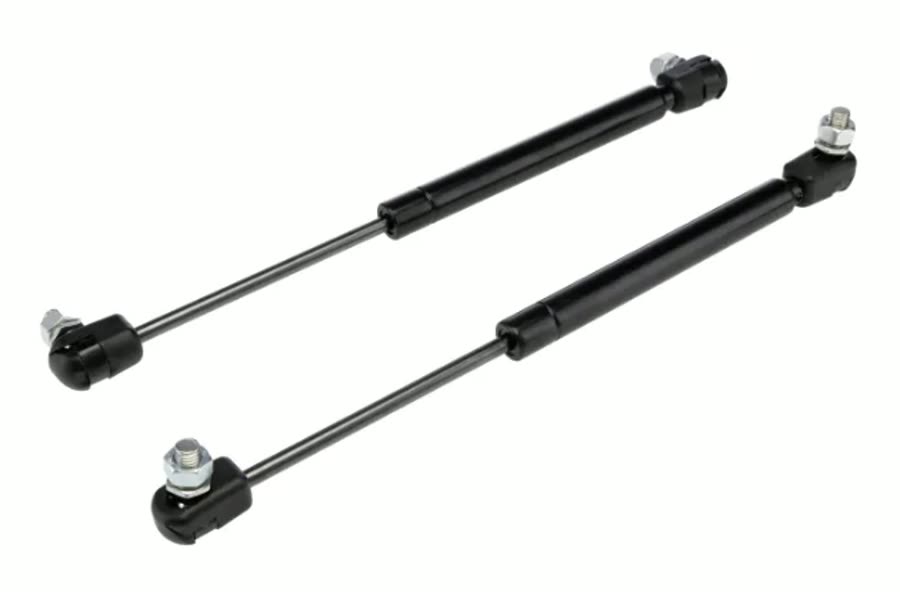
Gas springs are useful mechanical components found in many products, machines and equipment. They help control movement, support heavy parts and make opening or closing certain objects easier. From vehicle boots to adjustable office chairs, these devices provide smooth and steady movement without requiring constant physical effort. Their practical design makes them valuable in industries where safety, convenience and reliable performance are important.
Although gas springs may look simple from the outside, they use a carefully designed system to produce controlled force. Understanding how they work, the different types available and where they are commonly used can help engineers and buyers choose suitable products for their needs. For those looking for dependable options, RS Components Malaysia | Purchase gas springs through its online catalogue to find products for different applications.
What Are Gas Springs?
Gas springs are mechanical devices that use compressed gas to create force and support movement. They usually consist of a sealed cylinder, a piston and a piston rod. Nitrogen gas is stored inside the cylinder under pressure, allowing the spring to push or support a connected component.
Unlike traditional metal coil springs, which rely on the flexibility of metal, gas springs use pressurised gas to produce their force. This gives them the ability to provide controlled movement and support in a compact design. They can help lift, lower, open or hold different objects, depending on how they are installed.
Gas springs are commonly found in equipment that needs assistance when moving between two positions. For example, they can make a heavy vehicle boot easier to open while helping it remain raised. They are also used in furniture and industrial equipment where controlled movement improves convenience and safety.
How Gas Springs Work
The operation of a gas spring depends on the pressure inside its cylinder. Nitrogen gas is compressed within the sealed housing, creating pressure that acts against the piston. When an external force pushes the piston rod into the cylinder, the available space for the gas becomes smaller. This increases the pressure and creates resistance against the movement. For related reading, see custom HMI solutions for better machine control.
When the external force is reduced, the compressed gas pushes the piston rod outwards again. This produces the lifting or supporting action associated with gas springs. The movement is controlled by the internal design, which may include oil to help regulate speed and provide damping.
The amount of force produced depends on factors such as the gas pressure, piston size and design of the spring. Manufacturers can supply products with different force ratings to suit particular requirements. Choosing the correct force is important because a spring that is too weak may not support the load properly, while one that is too strong may make movement difficult to control.
Different Types of Gas Springs
Gas springs are available in several designs, each serving a different purpose. Understanding their differences helps users select a suitable option for the equipment they are working with.
Standard Gas Springs
Standard gas springs are among the most widely used types. They provide an outward force that helps lift or support connected components. Common examples include vehicle boots, cabinet doors, storage compartments and adjustable furniture. Their straightforward design makes them suitable for many everyday applications.
Lockable Gas Springs
Lockable gas springs allow users to hold a component in a selected position. Depending on the design, the spring can be locked at a particular point and released when movement is needed again. This feature is useful for adjustable furniture, workstations, medical equipment and other products where users need greater control over positioning.
Stainless Steel Gas Springs
Stainless steel gas springs are designed for environments where corrosion resistance is important. They may be suitable for equipment exposed to moisture, cleaning processes or certain demanding working conditions. Marine equipment, food-related machinery and outdoor installations may benefit from suitable stainless steel components. The required material grade should always match the conditions in which the spring will operate.
Tension Gas Springs
Tension gas springs work differently from standard compression gas springs. Rather than pushing connected components apart, they create a pulling force that draws them together. This makes them useful in applications where a component needs assistance moving towards a closed or resting position.
Common Applications of Gas Springs
Gas springs are used across many industries because they make movement easier to manage. Their ability to support weight and control motion allows manufacturers to include them in products that people use regularly.
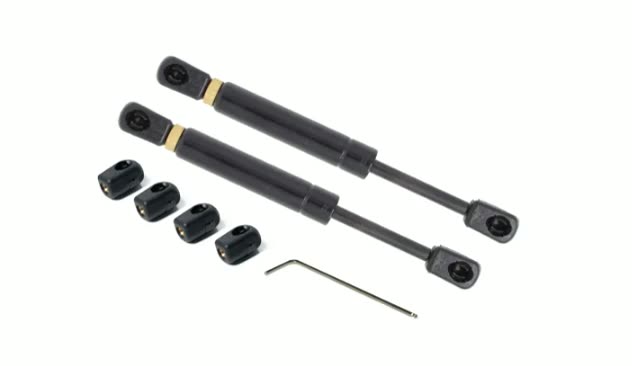
In the automotive industry, gas springs are commonly fitted to vehicle boots, bonnets and tailgates. They help users raise these heavy sections with less effort and keep them open while items are loaded or unloaded. Their controlled movement also reduces the need for separate support rods in certain designs.
In offices, gas springs are often used in adjustable chairs and desks. They allow users to change the height of their seating or work surface to suit their needs. This flexibility can improve comfort and make shared workspaces more practical.
Furniture manufacturers also use gas springs in cabinets, storage beds and lift-up compartments. These components help doors and panels open smoothly while reducing the effort needed to handle heavier sections. In industrial machinery, gas springs can support covers, access panels and adjustable equipment. They help workers move components more safely and provide easier access during routine tasks.
Other applications include medical equipment, agricultural machinery, transport systems and specialist workstations. In each case, the correct spring must be selected according to the load, movement and operating conditions.
Benefits of Using Gas Springs
One of the main benefits of gas springs is their ability to provide smooth and controlled movement. They reduce the physical effort needed to lift or lower heavy components, making equipment easier to operate. This is particularly useful when parts are opened or adjusted frequently.
Their compact design is another advantage. Gas springs can often fit into spaces where larger mechanical systems would be difficult to install. This gives designers more flexibility when developing furniture, machinery and other products.
Gas springs can also operate quietly, which is helpful in offices, homes and other environments where unnecessary noise should be limited. Their sealed construction helps protect the internal components from outside contamination when the product is used correctly.
Another benefit is the range of available designs and force ratings. Manufacturers can provide gas springs with different dimensions, stroke lengths and operating forces. This makes it easier to find a product that suits a particular application rather than relying on a one-size-fits-all solution.
Choosing the Right Gas Spring
Selecting a suitable gas spring requires more than checking the weight of the component it will support. Buyers and engineers should consider several factors to ensure the product operates safely and effectively.
The first consideration is the load. The spring must provide enough force to support the connected component without making it difficult to move. The position of the mounting points, the weight distribution and the angle of movement can all affect the force required.
Stroke length is another important factor. It refers to the distance the piston rod can travel between its extended and compressed positions. The spring must have enough travel to support the full movement of the equipment.
Users should also consider the installation space, operating temperature and surrounding environment. Equipment exposed to moisture, dust, chemicals or frequent cleaning may require materials and seals suited to those conditions. If the spring will be used in a demanding environment, it is sensible to check the manufacturer’s specifications before purchasing.
Maintenance and Safe Handling
Gas springs are generally designed for long-term use and require limited routine maintenance. However, regular checks can help identify problems before they affect the equipment. Users should look for visible damage, corrosion, bent piston rods or signs of gas leakage.
The piston rod should be kept clean and protected from scratches. Damage to its surface can affect the seals and reduce the spring’s performance. Gas springs should also be installed in the correct orientation, following the manufacturer’s instructions.
It is important not to exceed the recommended load or force limits. Users should avoid drilling, cutting, heating or attempting to open a sealed gas spring because it contains pressurised gas. If a spring becomes damaged or stops working properly, it should be replaced with a suitable product rather than repaired through unsafe methods.
Gas springs also have a working life that is often measured in operating cycles. The expected cycle life depends on the product design, load, environment and frequency of use. Following the manufacturer’s guidance can help users plan inspections and replacements.
Conclusion
Gas springs play an important role in making equipment easier and safer to operate. They provide controlled force and support in products ranging from vehicle components and office furniture to industrial machinery. Their compact construction, smooth operation and range of available designs make them suitable for many different requirements.
Choosing the correct gas spring involves considering the load, stroke length, mounting arrangement and working environment. Proper installation and regular inspection can also help maintain reliable performance. For businesses and individuals looking for suitable components, RS Components Malaysia | Purchase gas springs through its online catalogue and compare available options for different mechanical applications.