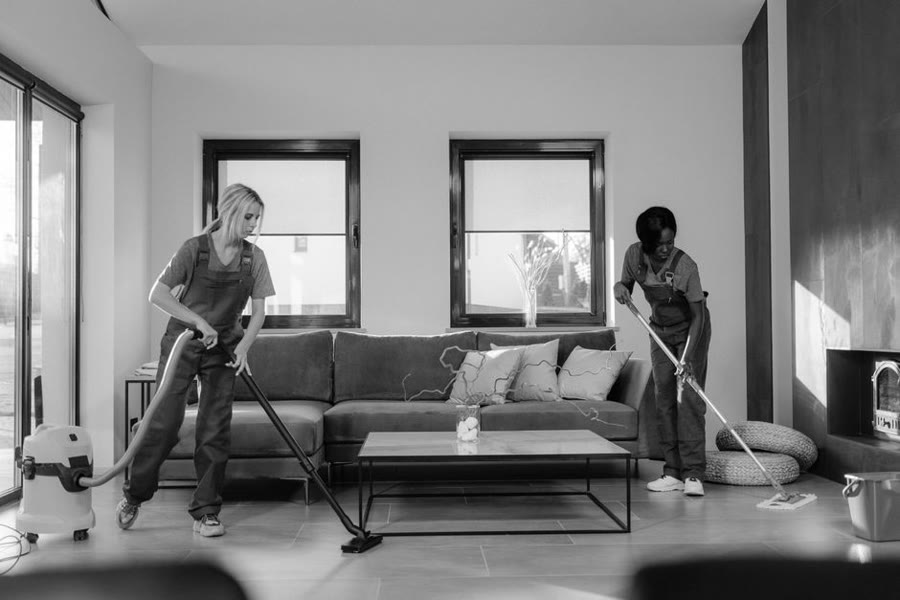
When it comes to maintaining a home, full house deep cleaning is an essential ritual that goes beyond everyday tidying. It ensures every nook and cranny of your living space is spotless, a process that not only enhances the appearance of your home but also contributes to better health for its residents. Undertaking a thorough cleaning of your home might seem daunting, yet it’s a key practice for homeowners seeking to uphold a hygienic and pleasant environment. Full house deep cleaning involves attending to areas often neglected in routine cleanings and is crucial for those seeking a comprehensive rejuvenation of their living quarters.
What is Full House Deep Cleaning?
Full house deep cleaning is an extensive procedure that focuses on those often-overlooked areas of the home. Unlike regular cleaning, this method goes beyond surface dusting and vacuuming. Instead, it involves scrubbing, polishing, and purifying every part of your home, from hard-to-reach corners to under furniture and appliances. This meticulous approach ensures the elimination of grime, allergens, and other unwanted substances that accumulate over time.
Deep cleaning is typically more thorough and time-intensive than regular house cleaning, but it’s crucial for maintaining a healthy and serene home environment. During this process, every area and item is cleaned with the utmost attention to detail, using appropriate cleaning methods and products to ensure no aspect of the home is overlooked.
Areas of Focus in a Full House Cleaning
Kitchens
In the kitchen, a thorough cleaning includes degreasing the oven, cleaning out refrigerators, and sanitising counters and backsplashes. Cabinet fronts, handles, and base units also require attention to prevent the build-up of dirt and grease. Additionally, small appliances should be cleaned to maintain their longevity and efficiency.
Bathrooms
Bathrooms necessitate an exhaustive approach, with emphasis on removing limescale, mould, and sanitising tile grout. All sanitary ware, including toilets, baths, and sinks, should be scrubbed and disinfected. Attention should also be given to polishing chrome fixtures and purging soap scum from shower enclosures.
Living Spaces
A deep clean of living areas involves vacuuming upholstery, polishing wooden furniture, and wiping down all surfaces. Skirting boards, light switches, and door handles often harbour dust and germs, thus should be cleaned intensely. Fabric materials like curtains and cushions may also need washing to remove odours and dust mites. For more on a related topic, you may find our article on how to choose cleaning supplies for a small commercial team useful.
Bedrooms
Bedrooms benefit significantly from deep cleaning, which includes washing bedding and curtains, dusting all surfaces including under beds, and cleaning out wardrobes and drawers. Mattresses should be vacuumed and, if possible, aired to remove dust mites and allergens.
Tools and Techniques
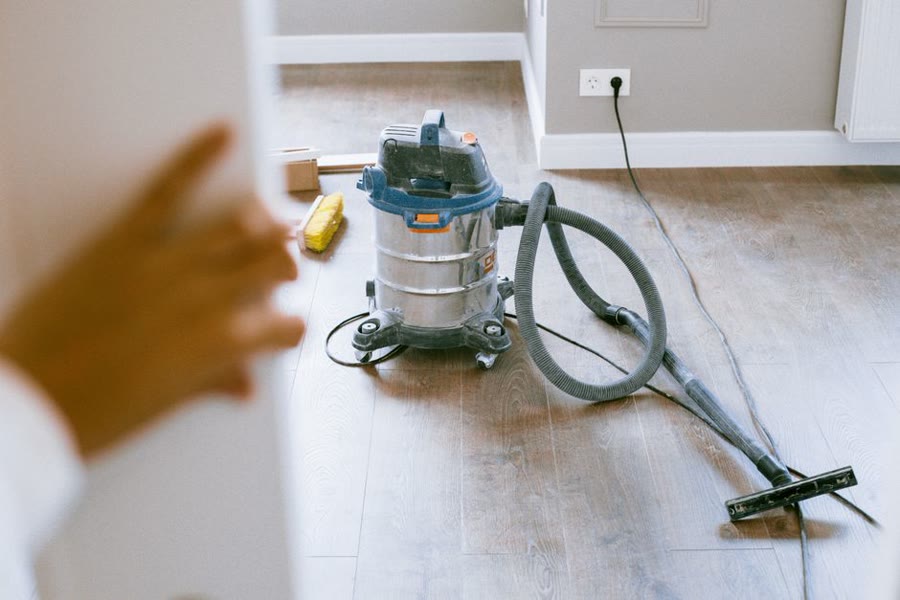
Performing a full house deep clean requires the right set of tools and an understanding of effective cleaning techniques. Essential equipment includes vacuum cleaners with HEPA filters, microfiber cloths for delicate surfaces, scrubbing brushes for tougher dirt, and mops for thorough floor cleaning. Steam cleaners can be particularly useful for sanitising floors and furniture without the need for chemicals.
Cleaning solutions are an integral part of the process. Eco-friendly products are advised where possible to ensure safety for both the environment and family members. Natural solutions such as vinegar, baking soda, and lemon can be effective for various cleaning tasks without the harshness of traditional chemicals.
Health Benefits of Deep Cleaning
Engaging in full house cleaning not only visually enhances your home but also significantly impacts health by reducing allergens, bacteria, and mould growth. Dust mites, embedded in upholstery and carpets, are common triggers for allergies and asthma; thus, deep cleaning can alleviate such issues. Moreover, reducing indoor pollutants creates a fresher and more breathable living environment, drastically improving indoor air quality.
Frequency of Deep Cleaning
While daily and weekly cleaning maintain general hygiene, deep cleaning is ideally conducted on a seasonal basis or at least twice a year, coinciding with spring and autumn cleanings. This periodic approach ensures that dirt does not accumulate beyond control and that hard-to-maintain areas receive the necessary attention to prolong furniture and appliance life.
Professional vs. DIY Deep Cleaning
While some homeowners prefer handling cleaning tasks themselves, others might opt for professional services due to time constraints or desired results. Professional cleaners generally possess the expertise and equipment to ensure high-quality deep cleaning of any home. Homeowners choosing the DIY route should allocate sufficient time and prepare adequately, noting that deep cleaning can be physically demanding yet ultimately rewarding.
Importance of Regular Maintenance
Post-deep clean, regular maintenance is critical to sustain the benefits achieved. Implementing a structured cleaning schedule aids in keeping the home environment healthy and appealing. Simple daily practices, such as airing out rooms, immediate spot cleaning, and organising clutter, can contribute significantly to a pleasant and manageable living space between full house deep cleaning sessions.
Leveraging a rotational cleaning schedule, wherein different parts of the home are attended to weekly, spreads the effort and maintains consistency without the overwhelming need to perform frequent full-scale deep cleans.
In conclusion, the meticulous practice of full house deep cleaning is unmatched in its ability to transform a home from simply tidy to genuinely clean and rejuvenating. By understanding and implementing effective cleaning techniques and routines, homeowners can ensure their living spaces remain aesthetically pleasing and health-conducive throughout the year.