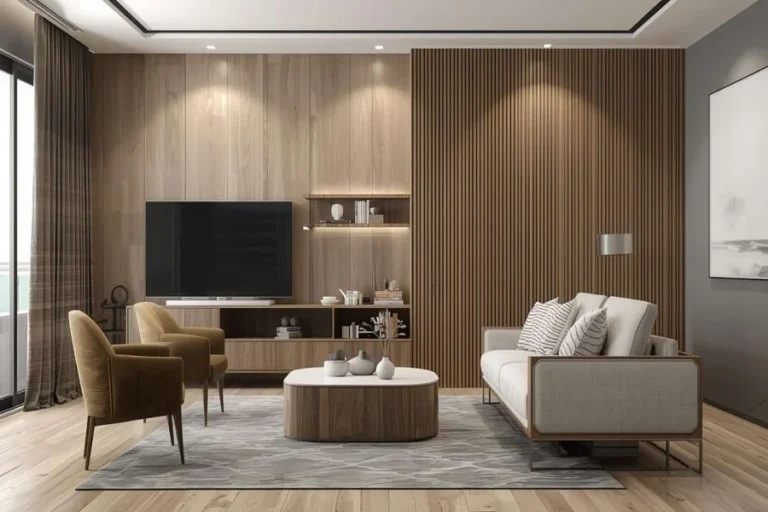

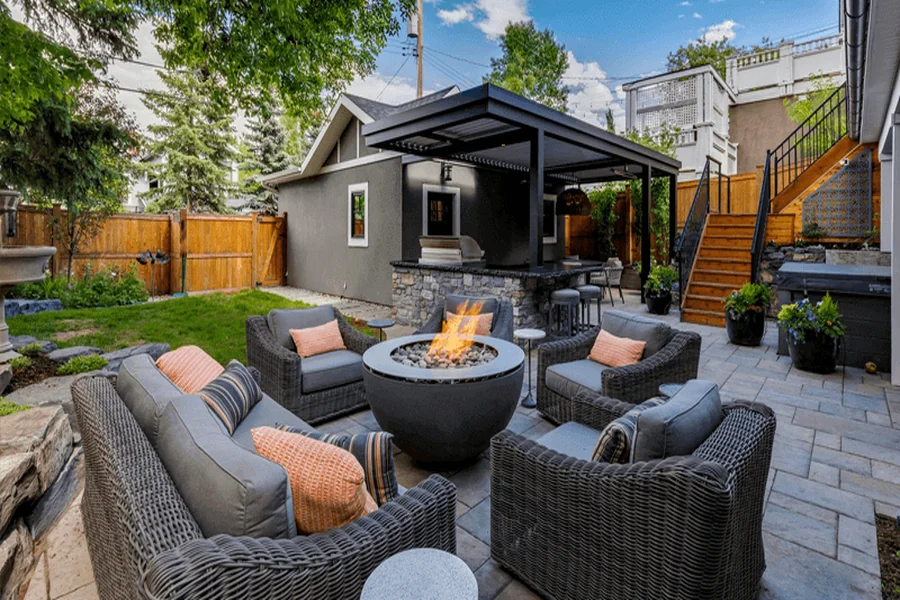
An outdoor living area is considered to be a convenient place which is situated outdoors and can be used for recreation or entertainment and provides comfort of a room. Outdoor living areas typically include comfy furniture, shaded areas, lighting, and some decorative elements. The concept of creation of such an area is connected with the desire to make this place cozy and convenient for leisure regardless of the size of the area – from a balcony to a patio to a huge garden.
Start With a Clear Purpose
In deciding what furniture you’ll need, as well as the color scheme, it is important that you consider how the space will actually be used. Whether it will be a private nook for reading, a gathering place for your family, or an area meant for entertaining friends on weekends, will influence everything else in your design.
It is always useful to spend some time outdoors during various moments of the day. Observe how sunlight changes throughout the day and what wind directions there are. This way, you’ll avoid many problems later on.
Some considerations that might help at the very beginning:
- Is this going to be an everyday space, or mostly a weekend one?
- Will it have to cater to both adult and children guests?
- Privacy from neighbors – is it a must?
- Will this space be used for cooking/eating?
With the purpose figured out, all other decisions will be easy to make.
Choose Furniture That Fits the Space
Furniture is where the success or failure of the outdoor living concept is often seen. The outdoor furniture should be durable enough to withstand sun, rain, and fluctuations in temperature without getting damaged within the first season.
When choosing the material of the furniture, opt for something more lasting and low maintenance – for example, teak wood, aluminum, or resin wicker, as opposed to cheaper plastics that are less durable and require more care. Weather-proof fabric for the cushions is also an important criterion, since otherwise the regular indoor cushions will simply soak in all the moisture.
The size is just as important as the material itself. An oversized sofa will certainly look good in pictures but it might not work well in practice, especially if there is not a lot of space available. First measure the space and then shop accordingly.
If storage space is limited, think about stackable or folding furniture.
Add Shade and Weather Protection
Nobody enjoys sitting outside under direct sun for long, especially during hot afternoons. Shade changes an outdoor space from something you tolerate to something you actually want to spend time in.
There are several ways to bring in shade, depending on your budget and space:
- A pergola or gazebo for a more permanent structure
- Market umbrellas for flexibility and easy setup
- Retractable awnings that adjust based on the weather
- Shade sails for a modern, minimal look
Beyond sun protection, think about rain and wind too. A simple canopy or covered patio roof can make a big difference, letting you use the space even when the weather isn’t perfect. If you live in an area with strong seasonal changes, weatherproofing becomes even more important for year-round use.
Bring in Lighting for Evening Use
Proper lighting allows you to spend extra time enjoying your outdoor area even when the day gets darker. Most of the time, outdoor spaces are only used until dinnertime and become useless in the evening without proper lighting.
Lighting in the form of strings is one of the most common types of lighting used as they are affordable and very easy to install. Other forms that work great include lanterns and can be battery or solar-powered. Motion sensors around doors make lighting much more functional.
If you would like to make it look more professional and put together, layering your lights would be the best option. Using ambient lighting to illuminate the space as well as task lighting near where you will be doing activities.
Add Greenery and Personal Touches
Plants are an essential part of any outdoor setting, and there is no need to be a master gardener to do it properly. Potted plants can prove to be quite handy since they can easily be moved around.
In case you lack some ground space, consider vertical gardens or hanging planters. Such elements will give you greenery without occupying extra space on the floor. They will be suitable even for a balcony or patio that does not have enough space.
There is room for adding a personal touch to this outdoor area as well. It may be an outdoor rug, some decorative pillows, or a little side table with your favorite books.
Keep Maintenance Simple
The outdoor area can remain comfortable only if it’s easy to take care of. If the process of maintenance appears to be troublesome, you won’t use it anymore after some time.
It is better to choose those plants that don’t need frequent watering or trimming. Consider purchasing some covers to your furniture for protection from rains and dust. It will be enough just to wipe some areas weekly and check the wear periodically.
Moreover, it is important to think about storage. It means you need to keep some furniture or garden tools in a protected place to avoid problems later on.
Final Thought
Creating an ideal environment outside does not need a lot of money nor renovations. The first thing is to realize what you would like to do in that area, and then decide which practical elements will complement the design. Sometimes, small details will have the biggest influence on the final result.
After creating a basic environment, it will inevitably turn into a place you would like to spend time in, regardless of whether you will sit there for your morning coffee or have weekends spent in the open air. With some preparation, this area can become as comfortable as any room in your house.