So your water heater’s on its last legs, and now you’re staring down a decision you probably didn’t see coming. Here’s the thing — most homeowners spend way more time picking out a new couch than they do researching what actually goes into a solid water heater setup. And that’s a mistake, because this is a piece of equipment that runs almost every single day for a decade or more.
The U.S. Department of Energy pegs water heating at nearly 18% of a home’s total energy use. That’s not a small number. So whether you’re dealing with a sudden failure or planning ahead, the choices you make now will show up on your utility bill for years.
Why Installation Quality Makes or Breaks Performance
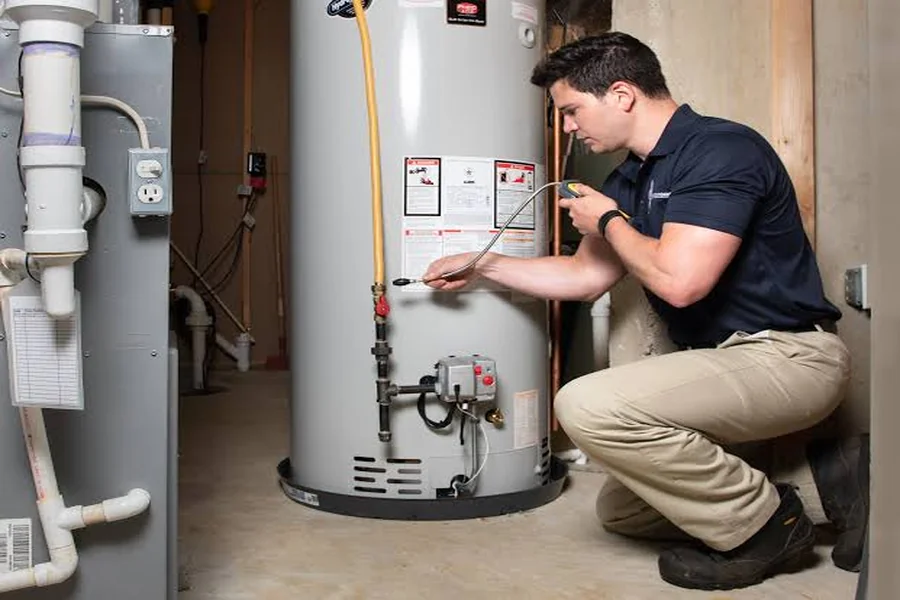
Here’s what many people don’t realize: the unit itself is only half the equation. How it’s installed matters just as much, sometimes more. Get the sizing wrong or rush the plumbing connections, and you’ve got a system that underperforms no matter how much you spent on it.
That’s why so many homeowners looking into water heater installation end up learning more than they expected — things like household usage patterns, available space, and even local code requirements all factor into what “correct” actually looks like for your specific home.
There’s also a safety angle worth mentioning. Gas lines, pressure relief valves, electrical hookups — these need to be done right the first time. Fixing a mistake after the fact almost always costs more than doing it properly up front.
Heat Pump vs. Tankless: What Fits Your Home
Not every water heater works the same way, and figuring out which type actually fits your household can feel overwhelming. Two options worth serious consideration these days: heat pump water heaters and tankless systems.
Heat pump units pull ambient heat from the air instead of generating it directly, which can cut water heating energy use dramatically — some estimates put the savings at over 50% compared to older equipment. Tankless systems, on the other hand, skip the storage tank entirely and heat water on demand, which means no more running out mid-shower when the whole family’s getting ready at once.
So which one’s right for you? Honestly, it depends. Household size, hot water demand, and available installation space all play into it. A quick professional assessment beats guessing every time.
Signs Your Old Unit Is Costing You Money
Water heaters don’t usually fail out of nowhere — they drop hints first. Keep an eye out for:
- Water coming out with a rusty tint
- Popping or rumbling sounds from the tank
- Temperature that swings without warning
- Any leaking around the base
- Energy bills creeping up for no clear reason
If you’re seeing two or more of these, it’s probably time to start shopping rather than waiting for a full breakdown (which, trust me, always seems to happen at the worst possible moment).
Getting the Investment Right the First Time
At the end of the day, a properly installed water heater isn’t just about hot showers — it’s about lower bills, fewer surprise repairs, and real added value to your home. That’s part of why more homeowners are choosing established providers like Air and Plumbing Systems instead of gambling on the lowest quote they can find.
Because honestly? The equipment matters, sure. But it’s the installation that decides whether that investment actually pays off down the road.

Hi, I’m Emily Grace, a blogger with over 4 years of experience in sharing thoughts about blessings, prayers, and mindful living. I love writing words that inspire peace, faith, and positivity in everyday life.