
Powdered materials are used across many industries, including food production, pharmaceuticals, chemicals, plastics, and manufacturing. Although powders can look simple to handle, their behaviour varies significantly depending on particle size, moisture content, density, and other physical properties.
A powder handling system is designed to move, store, and process these materials in a controlled manner. The right system helps businesses manage powder flow, reduce material loss, and maintain consistent production conditions.
Understanding the main stages of powder handling makes it easier to see how these systems fit into industrial operations.
For businesses with specific material and production requirements, customised powder handling systems can be designed to suit the characteristics of the powder and the overall process.
What Are Powder Handling Systems?
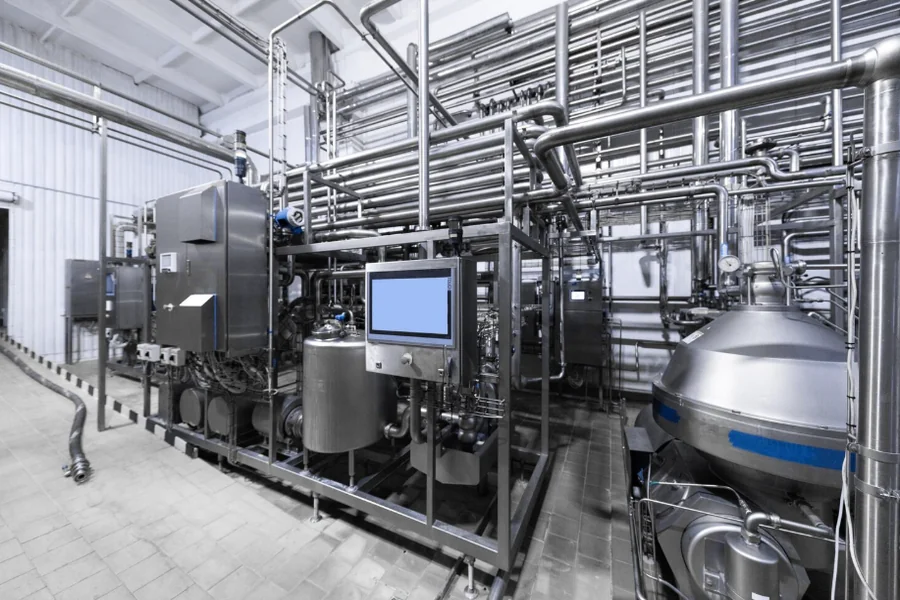
Powder handling systems are equipment arrangements designed to store, transfer, feed, and process powdered materials. Depending on the application, a system can include storage vessels, conveyors, feeders, valves, pneumatic conveying equipment, filters, and processing machinery.
The configuration depends heavily on the material being handled. A free-flowing powder behaves differently from a cohesive powder that tends to stick together or form bridges inside a hopper.
The system also needs to match production requirements. Factors such as throughput, transfer distance, available space, hygiene requirements, and the sensitivity of the powder all influence equipment selection.
Powder Storage
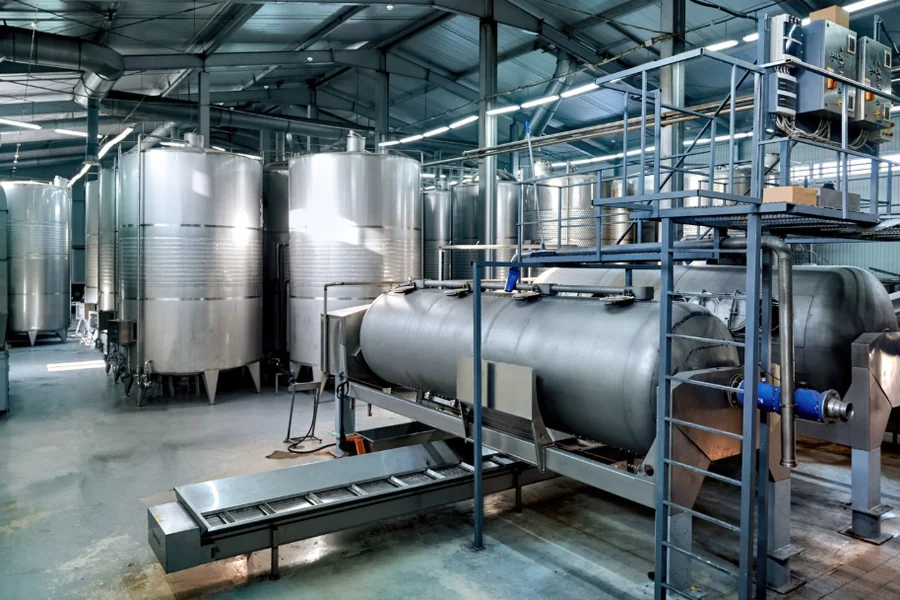
Storage is often the starting point of a powder handling process. Powders can be stored in bags, bins, hoppers, silos, or other purpose-designed containers.
The storage method depends on the quantity and characteristics of the material. Large-volume operations often use silos or bulk storage vessels, while smaller quantities might remain in bags or intermediate bulk containers.
Storage equipment needs to support reliable discharge. Some powders can compact under their own weight, leading to flow problems when material needs to leave the vessel.
Hopper design, outlet size, and flow-assistance equipment therefore need to be considered alongside storage capacity.
Powder Transfer and Conveying
Once powder has been stored, it needs to reach the next stage of production. Transfer systems move material between storage vessels, processing equipment, and packaging lines.
Pneumatic conveying is one common approach. It uses air or another gas to transport powder through pipelines. Depending on the application, conveying can be designed around dilute-phase or dense-phase principles.
Mechanical conveying is another option. Screw conveyors, bucket elevators, and other mechanical systems can move powders over specific distances and elevations.
The choice between conveying methods depends on factors such as powder characteristics, transfer distance, required capacity, and the level of control needed during movement.
Powder Feeding
Consistent feeding is important when powder is being added to a process at a controlled rate. An inconsistent feed can affect product quality, mixing ratios, and production efficiency.
Screw feeders, loss-in-weight feeders and other dosing systems are used for different materials and applications.
The feeder needs to match the powder’s flow behaviour. A system designed for a free-flowing powder might perform poorly when handling a material that tends to compact or bridge.
Accurate feeding therefore starts with understanding the material rather than selecting equipment based only on the required throughput.
Managing Powder Flow Problems
Powders do not always flow smoothly. Bridging and rat-holing are two common problems in storage vessels.
Bridging occurs when powder forms a stable structure over the outlet, preventing material from leaving the vessel. Rat-holing occurs when material flows through a central channel while powder remains along the vessel walls.
These problems can interrupt production and create inconsistent feeding.
Equipment design can help reduce these issues. Hopper geometry, outlet configuration, agitators, vibration systems, and other flow-assistance methods can be selected according to the powder’s characteristics.
Dust Control
Fine powders can create airborne dust during transfer, discharge, and processing. Dust control is therefore an important part of many powder handling systems.
Enclosed transfer equipment can help reduce the amount of material released into the surrounding environment. Local extraction and filtration systems can also be used to capture airborne particles.
Effective dust management supports workplace cleanliness and helps reduce exposure to airborne materials. In industries handling hazardous or combustible powders, additional safety measures are required based on the properties of the material and the applicable regulations.
Powder Processing
Powder handling does not stop at storage and transfer. Many production lines also require powders to undergo processing.
Depending on the industry, processing can involve mixing, blending, milling, screening, drying, or granulation.
A powder handling system needs to connect these stages without creating unnecessary transfer points. Poorly planned transitions can increase material loss, dust generation, and cleaning requirements.
Integrating storage, transfer, and processing equipment can therefore improve overall process control.
Hygiene and Contamination Control
Hygiene requirements are particularly important when handling food, pharmaceutical, or other sensitive powders.
Equipment surfaces that come into contact with the material need to be designed with cleaning and maintenance in mind. Dead spaces and difficult-to-access areas can make cleaning more difficult and increase the risk of material accumulation.
Depending on the application, manufacturers might require equipment that supports dry cleaning, wet cleaning, or clean-in-place processes.
Material compatibility also matters. Equipment construction needs to suit the powder and the conditions under which it is handled.
Powder Handling System Design
A well-designed system considers the entire material flow rather than individual pieces of equipment.
The design process starts with understanding the powder itself. Particle size distribution, bulk density, moisture content, flowability, cohesiveness, and other properties influence equipment selection.
Production requirements also need to be established. These include the required throughput, operating hours, transfer distances, number of process stages, and available space.
Maintenance access should also be considered. Equipment that is difficult to inspect or clean can increase downtime and maintenance costs.
Safety Considerations
Safety is an important part of powder handling system design. Certain powders are combustible or hazardous, creating additional risks during storage and transfer.
Dust accumulation can also create housekeeping and safety concerns. Appropriate containment, ventilation, filtration, and equipment selection depend on the material and operating environment.
Electrical and mechanical equipment might require specific protection when operating in environments where combustible dust is present.
A proper hazard assessment should therefore be completed before equipment is selected or installed.
Maintaining Powder Handling Equipment
Regular inspection helps keep powder handling systems operating reliably. Components such as seals, filters, valves, conveyors, and feeders can wear over time.
Filters require particular attention because blocked or damaged filters can affect airflow and dust control. Conveying equipment should also be checked for wear, leaks, and unusual operating conditions.
Cleaning schedules depend on the material and industry. Food and pharmaceutical operations often have stricter cleaning requirements than general industrial applications.
Maintenance should follow the equipment manufacturer’s recommendations alongside the site’s own inspection procedures.
Conclusion
Powder handling systems bring together equipment used to store, transfer, feed, and process powdered materials. Their design depends on the characteristics of the powder and the requirements of the production process.
Storage vessels need to support reliable discharge, conveying equipment needs to move material efficiently, and feeding systems need to maintain consistent flow. Dust control, hygiene, maintenance, and safety also need to be considered throughout the system.
A properly planned powder handling system can support more consistent production while reducing problems associated with poor powder flow, material loss, and difficult maintenance.