

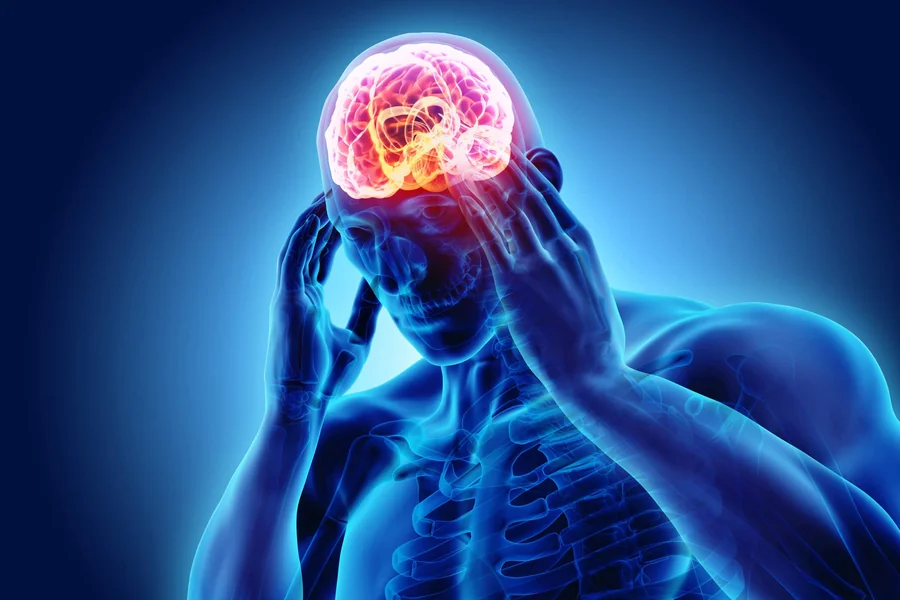
Stress is a biological reaction to pressure, threat, or challenging conditions. These reactions lead to the secretion of hormones such as cortisol and adrenaline, which make one more responsive. Stress in small amounts will help in enhancing one’s alertness and performance. However, too much stress has been seen to weaken the body as well as the brain. Long-term stress has been connected with heart problems, weak immune system, anxiety & depression.
What Happens in Your Body During Stress
The brain activates the release of cortisol and adrenaline in stressful situations. This can be referred to as the “fight or flight” response. Your heart races and your muscles go into alert mode, and your senses are heightened.
This reaction can be helpful in short spurts. It has helped humans survive danger and even today, it helps us respond quickly to avoid accidents and meet deadlines. This response fails to turn off and that’s where the problem begins. Today, there are very few clear signals for an “all clear” and many people remain at a low level of alert for weeks or years.
The constant activation causes additional pressure on almost all of the body’s systems over time.
Physical Effects of Long-Term Stress
Chronic stress doesn’t remain in the mind. It can be present in your body in ways that can be easily overlooked until they turn serious.
- Heart and blood pressure: Stress can increase blood pressure and increase the risk of heart disease and stroke.
- Digestive problems: Stress may cause stomach pain, bloating, acid reflux or even exacerbate that IBS.
- An immune system that is compromised: Over time, high cortisol levels can harm your immune system.
- Sleep difficulties: Racing thoughts and tension make sleep difficult and can make it challenging to stay asleep all night long.
- Headaches, muscle tension: Many people tend to carry stress in their shoulders, neck and jaw area which results in chronic pain.
- Increased or decreased appetite: Stress can result in a decreased appetite, while others may turn to food for comfort and gain weight.
These symptoms may develop over time. Some people may experience headaches or sleep disturbances often, but think that it has nothing to do with stress. That imbalance contributes to the harmful impact of chronic stress. It is in plain sight, but nobody noticed it.
Mental and Emotional Toll of Stress
The physical manifestations of stress are more measurable, but the mental can be just as harmful, if not more.
Chronic stress alters the brain’s processing of emotions and information. It may affect the brain regions involved in memory and decision making, and it hyper-activates regions related to fear and anxiety. That is why when a person is under chronic stress, they may start to feel foggy, forgetful or on edge for no apparent reason.
The common mental health impacts that can result are:
- Lack of feeling relaxed or a general sense of uneasiness/ worry.
- Irritability and mood swings.
- Trouble focusing or making decisions
- Feelings of being overwhelmed
- An increased risk of depression.Greater risk of depression.
This cycle can be perpetuated without treatment. When people have poor sleep due to stress, they are more irritated and the next day, they are more irritated by small issues. This can erode a person’s feeling of control and well-being over the long term.
How Stress Affects Relationships and Daily Life
Stress does not just limit itself to one aspect of life. It seeps into work, relationships and daily choices.
Highly-stressed individuals tend to become more withdrawn or conversely more reactive and short-tempered with others around them. Normally simple conversations can become tense. Minor conflicts can escalate quickly. Patience runs thin.
Stress can be a negative influence on productivity and creativity at work, although it may seem like more work equals more problems. It’s the opposite, in reality. Attention wanes, errors mount and enthusiasm wanes. It’s a vicious cycle: the more you worry, the less you will perform, the more you will worry, the less you will perform.
It is important to identify this pattern early on, as it can have a significant impact before it starts to impact your job or relations with others.
Practical Ways to Manage Stress
Stress management doesn’t have to be a complete lifestyle change. Small and steady changes are more likely to be effective than drastic changes.
Get some exercise. Walking for as little as 20 minutes can reduce cortisol levels and enhance mood.
Prioritize sleep. Go to bed and get up at the same time every day, and try to minimize stress as much as possible because it can make it harder to sleep.
Learn to breathe deeply or be mindful. These methods turn on the body’s relaxation response and override the stress response.
Set boundaries. Learning to say no, at work or in commitments, will help to lessen the pressure.
Stay connected. Communicate your stress with friends, family and a therapist.
Limit caffeine and alcohol. Both can aggravate anxiety and interfere with sleep patterns and contribute to the stress cycle.
None of these are solutions like a switch that you turn on once. They repeat, and they repeat. The more you can incorporate one or two of these habits into your life, the more it will make a difference in the long run.
When to Seek Professional Help
Stress is normal every day, but when it gets to a certain level, it’s no longer something a person can handle on his own. When stress begins to affect your work, sleep, relationships or your daily life, it’s time to consult the professionals.
Some key indicators that it may be time to ask for help are:
- Continued hopelessness or fear
- Any symptoms which are not relieved by rest.
- Withdrawing from people or activities you used to enjoy
- Reinventing coping skills with alcohol, food or other substances.
- Thoughts of self harm or inability to cope at all
A therapist or doctor can help determine the source of the stress and provide you with some tools specific to you. Don’t be afraid to ask for assistance. It’s a step you’d take if you had a physical ailment and sought out a doctor’s advice for betterment.
Final Thought
Stress is a part of life and it’s not a bad thing. But when it persists without respite and silently threatens your heart, immune system, mood and relationships, it becomes a problem. The bright side is that there is no such thing as being too good at managing stress. There are small things that can shift the balance back in your favor. Things like improving your sleep, getting regular exercise and honestly talking to friends, family, or a psychotherapist. The first step in managing stress before it becomes overwhelming is to become aware of your body’s and your thoughts’ reaction to stress.