

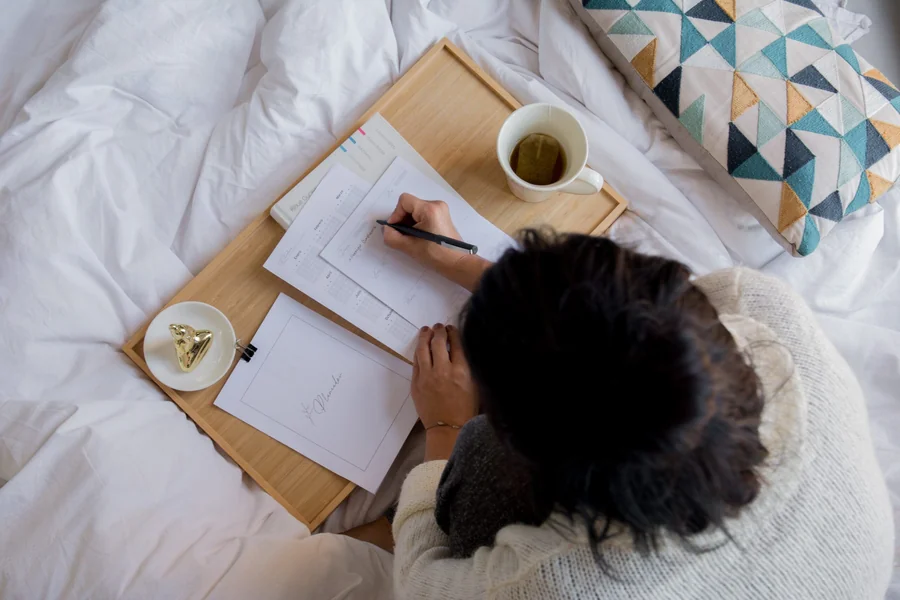
My sister moved back in with our parents in July. Not because anything went wrong. Because her rent in Brisbane had crept up three times in eighteen months and the maths stopped working.
She’s not alone. Reporting from ABC News in August found rent now eats more than half of median take-home pay across Australian capitals, and in some cities that figure climbs as high as 69%. The Australian Bureau of Statistics backed that up this month, confirming living costs are rising across every household type it tracks, not just renters, not just mortgage holders. Everyone.
So what happens to the fun money? It shrinks. Fast. And when it shrinks, people get smarter about where every leftover dollar goes. For Australians who still want a flutter without blowing the weekly budget, minimum deposit pokies australia sites let you set a hard ceiling before you start, which is a different discipline entirely to the old habit of “I’ll just top up again.”
I want to be upfront about something. This isn’t a piece telling you to gamble your way out of a housing crisis. It’s the opposite. It’s about treating a night on the pokies the same way you’d treat a movie ticket or a round of mini-golf: a fixed, capped, planned-for line item, not an open tab.
The number that actually matters: discretionary spend, not total income
Here’s the thing most budgeting advice gets backwards. It obsesses over your rent, your groceries, your insurance. Fixed costs. But fixed costs don’t wreck people financially nearly as often as unbounded discretionary spend does.
Think about it. Your rent is the same every month. It’s predictable. What varies wildly is the $40 here, the $65 there, the impulse spend that never gets logged anywhere.
A 2025 Deloitte Insights tracker on consumer behaviour found households increasingly prioritising essentials and pulling back hard on anything classed as “nice to have.” That’s the trend. But pulling back completely isn’t sustainable either. People need a release valve. The trick is making that release valve leak-proof.
What a capped entertainment budget actually looks like
Most people who say “I budget for fun” are lying to themselves a little. They mean they intend to. There’s a difference.
A real capped budget works like this: you decide, at the start of the week or month, exactly what your leisure spend ceiling is. Say it’s $60 a fortnight. That $60 might go toward:
- A cinema ticket and popcorn combo
- Two rounds at the local pub trivia night
- A modest pokies session with a set stake per spin
- A streaming subscription split three ways with housemates
The point isn’t which of these you pick. The point is the number doesn’t move once you’ve set it. No topping up the pokies balance mid-session because you’re “due for a win.” No swiping the card again at the cinema for the overpriced choc-top because the budget line already closed.
This is basically what’s driving the “no-buy” movement that NerdWallet covered as it spread through 2025 and into this year: deliberate, pre-committed spending limits that make frugality feel like a game you’re winning rather than a punishment you’re enduring. Pokies with a genuinely low minimum deposit slot into that mindset well, because the platform itself enforces the ceiling you set. You can’t accidentally overspend money you never loaded in.
Why the emergency fund conversation and the entertainment budget conversation are the same conversation
A lot of Australians are one bad week away from a real problem. That’s not scaremongering, that’s the shape of household finances right now. Even in wealthier economies the picture isn’t much prettier. The Federal Reserve’s own 2024 household well-being report found a meaningful share of households would struggle to cover even a small unplanned expense out of savings. CNBC reported similar findings domestically, noting nearly half of surveyed households held under $500 in savings.
When your buffer is that thin, every dollar of leisure spend has to justify itself. Not eliminate itself. Justify itself.
That’s the real lesson buried in the cost-of-living headlines. It’s not “stop having fun.” It’s “stop having unaccountable fun.” A $10 minimum deposit you consciously chose to spend on a Friday night pokies session is not the enemy of a healthy budget. An unplanned $180 spent across three impulse decisions during the week absolutely is.
Three questions before you spend the entertainment dollar
Before any leisure spend this month, ask yourself these, in order.
First: did I already budget for this category? If yes, proceed. If no, that’s your answer already.
Second: is there a hard ceiling on how much I can lose or spend here tonight? Pokies, trivia buy-ins, a round of drinks, doesn’t matter. If the answer is “no, it’s open-ended,” walk away or set one before you start.
Third, and this one gets skipped constantly: am I doing this because I planned to, or because I’m stressed about the rent notice that landed this morning? Be honest. AlixPartners’ 2025 global consumer research found consumers worldwide are consciously scaling back discretionary spend right now, and the ones managing it well are the ones spending with intent, not the ones spending to numb out.
The habit that actually compounds
Budgeting for small, contained fun isn’t glamorous advice. It won’t fix a housing market where MacroBusiness has been warning of deepening correction pressure for months, and it won’t undo a rent increase that’s already landed. But it does something the big-picture headlines can’t: it gives you back a sense of control over the twenty or thirty dollars that are actually yours to direct.
That’s not nothing. If you’ve been meaning to tighten up how money moves through your week more broadly, the fundamentals are worth revisiting properly rather than piecemeal, and our smart money habits guide breaks down the saving and mindful-spending groundwork that makes capped entertainment budgets actually stick.
Set the number. Stick to the number. Whether that number buys you a movie night, a trivia round, or a short pokies session with a deposit you chose on purpose, the discipline is identical. The habit is the win, not the outcome of any single session.
Frequently Asked Questions
How much should I budget for entertainment each week on a tight income? There’s no universal figure, but a common approach is capping discretionary leisure spend at 5 to 10% of take-home pay after fixed costs. On a modest income that might mean $40 to $70 a fortnight. What matters more than the exact number is that you set it before you spend, not after.
Are low minimum deposit pokies actually cheaper than other entertainment options? A cinema trip for two with snacks can easily run past $50 in Australia right now. A pokies session with a $5 or $10 deposit and a fixed stop-loss can cost far less for the same amount of time entertained, provided you treat the deposit as the full cost and don’t top up.
What’s the biggest budgeting mistake people make with entertainment spending? Treating it as unlimited by default. Fixed costs like rent get a hard number. Entertainment often doesn’t, which is exactly why it’s the category that quietly blows out. Give it the same discipline you give your rent.
Does cutting entertainment spending completely actually help long term? Rarely. Total restriction tends to trigger bigger relapse spending later, similar to strict diets failing. A capped, planned allowance for small pleasures tends to hold up better over months than an all-or-nothing ban.
Is rising rent really the main driver of tighter entertainment budgets in Australia right now? It’s one of the biggest. ABC News reported rent now consumes more than half of median take-home pay in several capitals as of August 2026, and ABS data this month confirmed living costs are climbing across every household type, squeezing whatever’s left for leisure.
Gambling involves risk. Please play responsibly and only wager what you can afford to lose. If you feel gambling is becoming a problem, visit BeGambleAware.org or call 1-800-GAMBLER.