

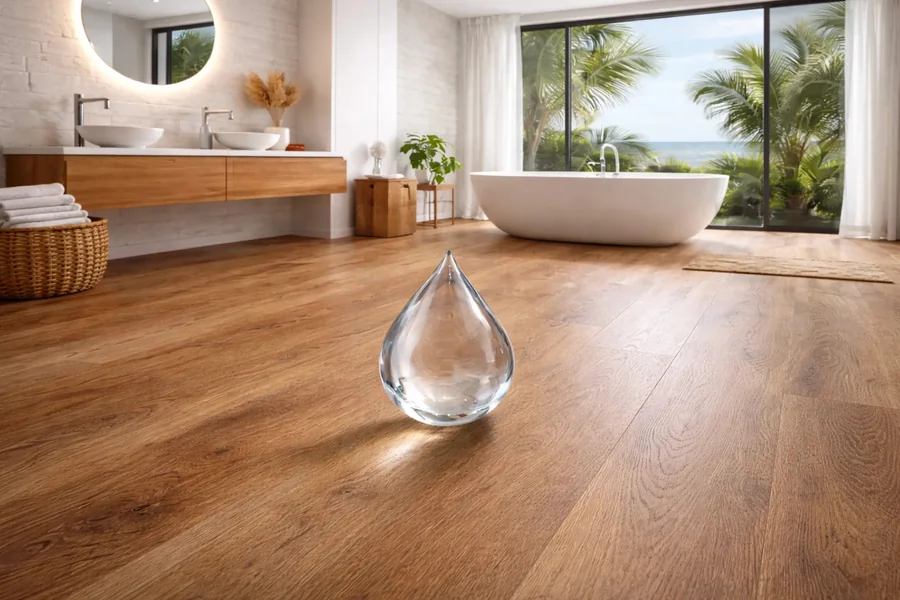
Why Floating Timber Floorboards Are Winning Over Homeowners
There used to be a real trade-off in floor renovations. Solid timber, with all its warmth and character, or something easier to install that never quite looked the part. Floating floorboards changed that math. You get the grain, the texture, the way real wood catches light differently than anything printed — without the nail guns, the wet glue, or waiting weeks for a subfloor to cure.
If this is your first time shopping for floating floorboards, a bit of homework now saves you a lot of grief later. I’ve watched people walk into a showroom, fall for a colour, and skip every spec that actually matters. Here’s what to check instead.
What Makes a Floor “Floating”?
“Quick clarification, because people get this wrong constantly: ‘floating’ has nothing to do with finish or timber species. It’s about how the boards go down. Nothing gets nailed or glued to the subfloor. Boards click and lock into each other instead, forming one connected surface that just sits on top of an underlay layer when you shop floating timber floorboards.
Core Construction Types
Two main categories dominate the market:
Engineered timber boards. There is genuine hardwood veneer placed above a number of plywood or high-density fibreboard layers that have been crossed over each other. This is what gives it the stability that makes it different from solid wood.
Hybrid or laminate-style boards. These print a timber look onto a rigid, often waterproof core. Less real wood in them — sometimes none — but they hold up well in kitchens and bathrooms where actual timber would struggle.
Why the Floating Method Works
Since the boards aren’t fixed down, the whole floor can expand and contract a little with temperature and humidity swings without buckling. That’s a genuine advantage in homes with concrete slabs, existing tile, or subfloors that aren’t perfectly flat — the kind of surfaces that make nail-down installation a headache.
There’s a maintenance upside too. Crack a board years down the track and, with click-lock joinery, you can often just replace that one piece. No tearing up the whole room.
How to Shop Timber Floorboards: A Step-by-Step Approach
Flooring isn’t like paint. You can’t just grab a colour and go — the specs matter, and most first-time buyers skip half of them.
- Measure accurately, then pad the number.Work out your room’s square footage, then add 5–10% extra for cutting waste and future repairs. Going diagonal or herringbone? Bump that up closer to 15%. Trust me, you’ll use it.
- Check the wear layer thickness.On engineered boards, the wear layer is the actual timber sitting on top, and it determines how many times you can sand and refinish the floor down the road.
- 5mm–1mm: fine for light domestic use, but don’t expect to refinish it much
- 2mm–4mm: usually good for one or two sandbacks
- 4mm and up: performs close to solid timber, multiple refinishes possible
- Match the locking system to your skill level.Not every click system is created equal. If you’re doing this yourself on a weekend, ask specifically whether it’s angle-and-drop or fold-down. Angle-and-drop is far more forgiving for a first attempt.
- Confirm the AC or wear rating.It tells you how well the board resists people walking on it and scratching it over time. Do you have children, pets, or a work-from-home job? Then err on the high side.
- Order actual samples before you commit.Photos lie. Screens lie even more. Get physical samples into your home and look at them under your own lighting — morning sun and evening lamp light both. That lovely golden-brown board you see online might appear as grey and uninteresting in your living room.
Key Considerations and Common Pitfalls
Even people who’ve renovated before still trip on these.
Skipping acclimatisation. Timber flooring needs to sit and adjust to a room’s humidity and temperature before it goes down. Install it straight out of the box and you’re gambling — gaps or buckling can show up within months. Give it 48–72 hours in the room first. Non-negotiable, really.
Ignoring subfloor moisture. Concrete slabs push moisture upward more than people expect, especially at ground level. A moisture barrier underlay isn’t a nice-to-have here. Skip it and you’re inviting long-term board damage.
Underestimating the underlay. This one gets overlooked constantly because it’s invisible once the floor’s down. But cheap, thin underlay is exactly why some floating floors sound hollow or feel springy underfoot after installation. Spend a little more here. It’s worth it.
Advanced Tip: Plan the Expansion Gap
Every floating floor needs a small gap — usually 10–15mm — around the perimeter of the room, to allow for natural movement. Skirting or scotia trim hides it later, but you need to plan for it in your layout now, not as an afterthought.
Advanced Tip: Think About Direction and Light
Lay your boards running parallel to your main light source, typically your biggest window. It minimises how visible the seams are and pulls an open-plan space together in a way that’s hard to describe until you’ve seen it done wrong first.
Final Thoughts
Floating timber floorboards sit in a genuinely good middle ground — real timber character without the installation nightmare. But the success of the whole thing comes down to prep work most people rush past: measuring properly, checking wear layers and locking systems, respecting the acclimatisation window, picking the right underlay for your subfloor.
Compare specs, not just finishes. The board that wins the showroom lighting contest isn’t always the one built for your actual home. Get it right, though, and a well-installed floating floor will easily outlast a decade of daily life — kids, dogs, moving furniture, all of it—when you shop floating timber floorboards