

A portable power station can play a meaningful role in emergency preparedness by keeping essential devices running when the grid goes down. It supports practical needs first: communication, lighting, refrigeration, medical equipment, and limited cooking or charging. Unlike fuel-based generators, it operates quietly and can be used indoors when used properly according to manufacturer guidance. The key is matching stored energy and output to your household priorities before an outage begins. With a clear plan, a portable power station becomes a useful part of a broader emergency kit rather than a last-minute purchase.
Build Your Backup Plan Around Essential Household Functions
Keep Communication and Lighting Available First
Start your backup plan with the functions that protect safety and awareness. Phones, radios, internet equipment, flashlights, and small LED lamps help your household receive alerts, contact family, and move safely after dark. These loads usually require modest power, so they are the easiest to support early in an outage. Keep charging cables, battery-powered lanterns, and a written contact list near the power station. When communication and lighting remain available, you can make better decisions about food, shelter, travel, and next steps.
Protect Food Storage and Other Critical Needs Next
After communication and lighting, turn to refrigeration and health-related equipment. A refrigerator or freezer can preserve food and medicine, but it draws more energy and should be managed carefully. If someone relies on powered medical devices, place those needs high on the priority list before convenience items. You may also want backup power for a modem, sump pump, or small fan, depending on local risks. Planning these functions in advance helps you reserve stored energy for the loads that matter most during disruptions.
Prepare for Emergencies That Last Different Lengths of Time
Short Events Need Fast Access to Stored Power
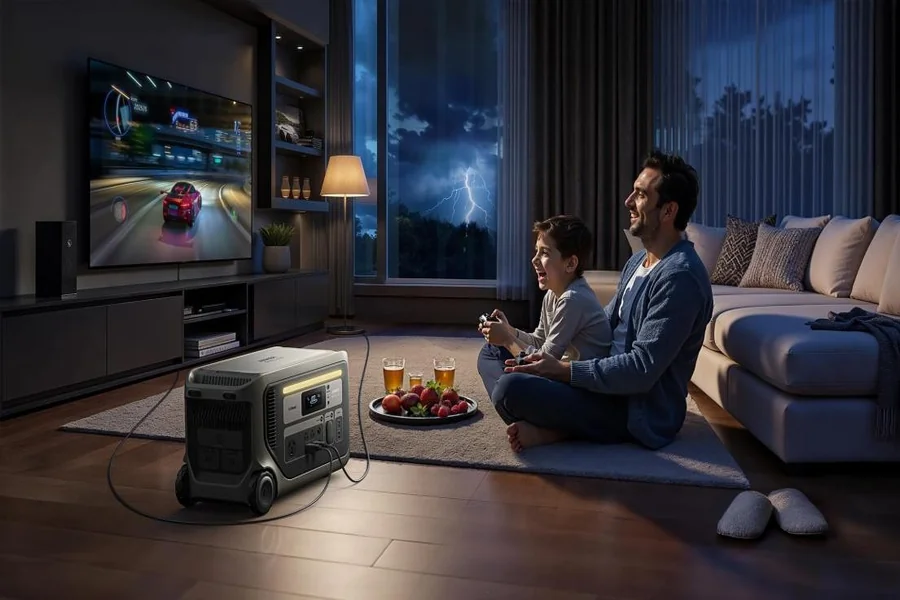
Brief outages often create the most confusion because they happen suddenly and without warning. In these situations, the most important advantage is immediate access to stored power for phones, lights, a router, and possibly a refrigerator cycle. Keep the unit charged, easy to reach, and connected to the devices you expect to use first. Label critical plugs and extension cords ahead of time. A fast, simple setup reduces stress and helps your household maintain basic function during evening outages, storms, or short utility interruptions.
Longer Events Need More Capacity and Energy Discipline
For outages that last beyond a day, battery size and charging options matter much more. The Anker SOLIX F3800 Plus starts at 3.84kWh with 6kW output and can expand to 53.8kWh with 12kW for days-to-week-long backup. It also supports up to 3,200W solar input with dual MPPT at 11-165V, allowing a full recharge in under 2 hours in optimal sunlight. More capacity helps, but disciplined usage still matters. Longer emergencies require scheduled charging, limited appliance use, and regular checks on remaining reserve.
Use the Power Station Without Wasting Your Backup Reserve
Run Only the Devices That Matter at Each Stage
Use your backup reserve in stages rather than treating every outage the same way. In the first stage, power essentials such as phones, lights, medical equipment, and refrigeration support. In the next stage, add comfort items only if battery levels remain strong and charging options are available. Avoid plugging in entertainment devices, extra kitchen appliances, or other nonessential loads out of habit. This approach extends runtime and prevents early depletion. A portable power station works best when every watt serves a clear purpose during the emergency.
Rotate Loads Instead of Powering Everything Together
Rotating loads is one of the simplest ways to stretch stored energy. Instead of running multiple larger devices at once, operate them one at a time as needed. For example, let the refrigerator cycle, then charge phones, then power lights and internet equipment. This reduces strain on the system and helps you monitor consumption more accurately. It also lowers the chance of wasting power on appliances that do not need constant operation. A planned rotation schedule can make limited backup power feel much more effective.
Keep Backup Power Ready Before Conditions Get Worse
Charge and Test the Unit Before Severe Weather or Outages
A portable power station helps only if it is charged, working, and ready before conditions worsen. Check battery level regularly during storm season and top it off when outage risk rises. Test key cables, wall chargers, extension cords, and the devices you plan to support. If your household has critical medical or communication needs, run a short practice session so everyone knows what to connect first. Routine checks reveal missing adapters, weak habits, or unrealistic expectations before an actual emergency forces quick decisions under pressure.
Prepare Solar or Vehicle Charging for Extended Emergencies
Extended outages can outlast even a large battery, so prepare a recharging method before you need it. Solar charging can restore backup power during daytime without relying on fuel availability, while vehicle charging offers another option if roads remain safe and fuel is available. Store the required cables, connectors, and setup instructions together with the unit. Also identify where panels can receive the best sunlight around your home. Recharging plans turn a portable power station from short-term backup into a more resilient emergency power resource.
Conclusion
A portable power station can support emergency preparedness when you use it with a clear household plan. It keeps communication, lighting, food storage, and other critical functions available while reducing dependence on improvised solutions. The strongest results come from setting priorities, matching capacity to likely outage length, and preparing ways to recharge during extended disruptions. Regular testing and disciplined energy use matter just as much as battery size. When chosen thoughtfully and maintained properly, a portable power station becomes a practical tool for safer, more organized emergency readiness.