
Most homeowners think about their furnace in the fall and their air conditioner in the spring, treating each as a separate errand tied to the season currently in front of them. That approach is not wrong exactly, but it misses something important. Heating and cooling systems in most homes share far more than a thermostat. They often run through the same ductwork, rely on the same blower motor, and sit connected through the same air handler, which means neglecting one half of the system quietly affects the other. A coordinated, year-round maintenance approach treats heating and cooling as two phases of a single system rather than two unrelated appliances, and that shift in thinking is often what stands between a smooth seasonal transition and an unexpected breakdown on the first truly hot or cold day of the year.
Why Treating Heating and Cooling as One System Changes the Outcome
When a furnace and an air conditioner are serviced independently, on whatever schedule happens to be convenient, small issues in shared components can slip through unnoticed. A blower motor working slightly harder than it should during winter heating cycles carries that same strain into summer cooling season, except now it is compounding wear that was never addressed. Ductwork that develops a minor leak during one season does not repair itself once the calendar changes; it simply continues losing conditioned air regardless of whether that air is heated or cooled.
A coordinated maintenance approach catches these connections. Instead of two disconnected inspections months apart, a technician familiar with the system’s full history can track how components are wearing over an entire year, not just within a single season. This matters because a lot of HVAC failures are not sudden. They are the final stage of a slow decline that started months earlier and simply went unnoticed because no one was looking at the system as a whole.
Spring Preparation: Getting the Cooling System Ready Before the First Hot Week
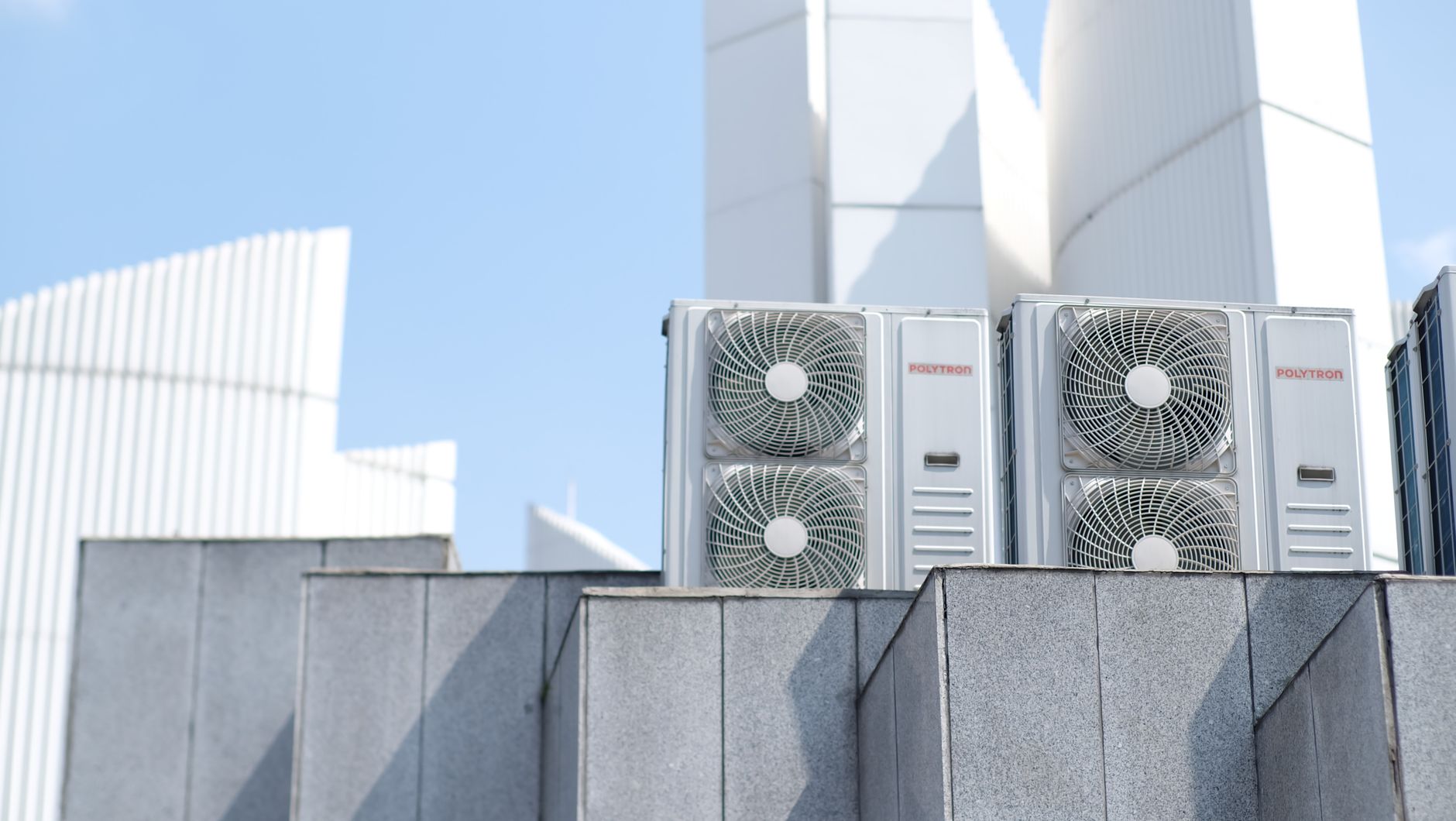
Cooling systems tend to sit idle for months during colder weather, and that period of inactivity is exactly when small issues have time to develop unnoticed. Refrigerant levels can drop slightly due to a minor leak that never gets forced to the surface until the compressor starts working under real load. Condenser coils accumulate dust and debris over a fall and winter of disuse, reducing the system’s ability to reject heat efficiently once it starts running again. Electrical connections and capacitors, both common points of failure, are far easier to test and replace during a calm spring inspection than during the first heat wave, when demand for service calls spikes and availability tightens.
A spring readiness check typically verifies refrigerant charge against manufacturer specifications, cleans the condenser coil, tests capacitors and electrical connections under load, and confirms the thermostat is calibrated correctly before cooling season actually begins. Catching a weak capacitor in April, when replacement is routine and unhurried, is a very different experience than discovering the same failure in July, when the system simply will not start on the first ninety-degree day.
Fall Preparation: Readying the Furnace Before Cold Weather Arrives
The furnace faces a similar seasonal risk in reverse. After months of running only occasionally, if at all, during the cooling season, ignition components, heat exchangers, and safety controls benefit from inspection before they are asked to run consistently through cold weather. A cracked heat exchanger is one of the more serious issues a fall inspection can catch, since a compromised exchanger can allow carbon monoxide to enter the air supply, a risk that has no warning signs a homeowner can reasonably detect without proper testing equipment.
Working with a provider offering HVAC services from Good Guys ahead of the season typically includes testing the ignition system, inspecting the heat exchanger, verifying proper venting, and confirming that safety switches and carbon monoxide detection systems are functioning correctly. Filter replacement, while often treated as a minor task, also plays a bigger role than it seems, since a restricted filter forces the blower motor to work harder throughout an entire heating season, accelerating wear on a component that is expensive and disruptive to replace mid-winter.
How Shared Components Connect the Two Halves of the System
Ductwork, the blower motor, the thermostat, and in many systems the air handler itself, are used by both the heating and cooling sides of a home’s system, which means their condition affects comfort and efficiency regardless of the season. Leaky or poorly insulated ducts lose conditioned air whether that air is warm or cool, quietly driving up energy costs year-round rather than during just one part of the year. A blower motor under strain during winter heating cycles carries that wear directly into cooling season, since it is the same physical component doing the work in both cases.
This is part of why scheduling HVAC services from Good Guys as a coordinated, ongoing relationship rather than a series of one-off appointments tends to catch problems that isolated seasonal visits miss. A technician who has serviced a home’s ductwork and blower motor consistently across multiple seasons develops a clearer picture of how those components are aging, which makes it far easier to recommend a repair before it becomes a failure rather than reacting after the fact. Thermostat calibration benefits from the same continuity, since a sensor drifting slightly out of accuracy affects both heating and cooling equally, even though the symptom might only become noticeable in one season first.
Catching Small Problems Before They Become Breakdowns During Peak Season
HVAC breakdowns have a frustrating tendency to happen at the worst possible time, not because of bad luck, but because peak demand is exactly when a system’s weaknesses get exposed. A furnace that has been running with a slightly restricted airflow all winter is more likely to fail during the coldest week, when it is working hardest, than during a mild stretch of weather. The same pattern holds true for air conditioners during the hottest days of summer. Coordinated, seasonally timed maintenance is specifically designed to intercept this pattern by identifying strain before the system is pushed to its limit.
A few components consistently show up as the source of preventable breakdowns when maintenance has been skipped or delayed:
1.Capacitors and electrical connections that weaken gradually and fail under the load of continuous peak-season operation
2. Refrigerant levels that drop slowly enough to go unnoticed until cooling capacity is visibly reduced
3. Clogged filters and dirty coils that force motors and compressors to work beyond their intended limits
4. Ignition components and heat exchangers that develop faults during idle months and go undetected until the system is needed
Addressing these ahead of the season, while a technician has time to diagnose and repair calmly, avoids the far more stressful and often more expensive scenario of an emergency call placed during the exact week a home needs its system the most.
Final Analysis
A home’s comfort system does not reset itself at the start of each season. Wear accumulates continuously, and the components responsible for heating a home in January are frequently the same ones responsible for cooling it in July. Treating maintenance as a year-round, coordinated process rather than two disconnected seasonal tasks makes it far easier to catch the kind of gradual wear that eventually causes a breakdown at the worst possible moment. Homeowners who commit to this rhythm tend to spend less on emergency repairs, use less energy across the full year, and rarely find themselves facing a system failure on the coldest or hottest day of the season, precisely because the small warning signs were addressed months before they had the chance to become one.