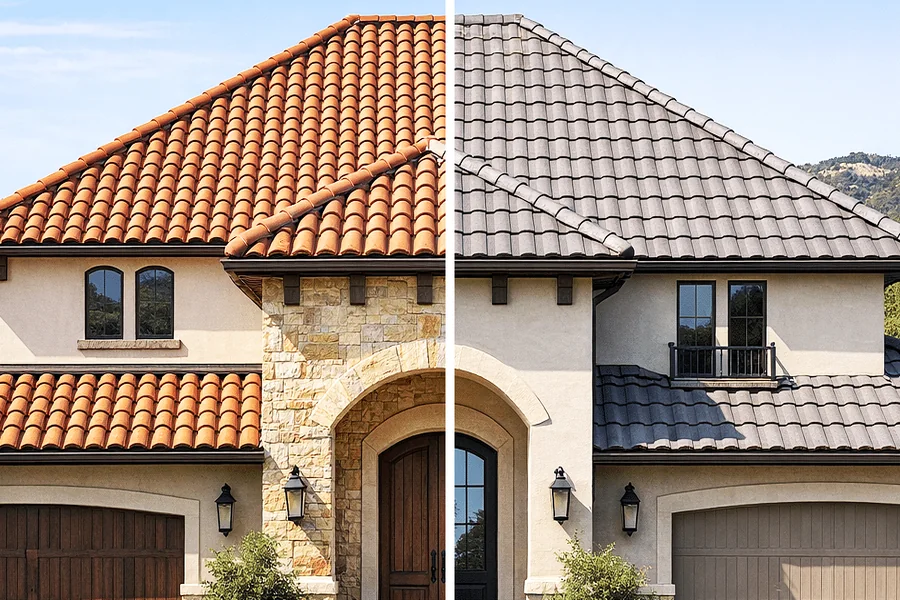
Two houses. Same builder, same square footage, same street in Richardson. One homeowner paid $11,000 for a new roof last spring. The neighbor paid $24,000 for what looks like the identical job. Nobody got scammed, and nobody got a deal. The difference came down to what the sky does to this part of Texas and which materials are built to shrug it off. Once you understand that math, the price tags stop looking random.
Here’s what I tell people before they sign anything: the roof over your head isn’t competing with the roof next door. It’s competing with hail the size of golf balls, ten weeks of triple digit afternoons, and the occasional 70 mph gust that peels back anything installed with shortcuts. Materials that laugh at that punishment cost more upfront, and that gap is exactly where your budget gets made or broken. If you’d rather hand the whole calculation to someone who does it daily, a richardson roofing company can walk your actual roof and price it against your actual exposure, not a generic estimate pulled from a national average.
Below is the honest version of that math, the material tradeoffs, the cost bands I’ve seen hold up, and the inspection checklist that tells you whether you’re buying protection or buying a five year problem.
Why North Texas Is Hard on Roofs
Hail is the obvious villain, but it’s not the only one working against you. The National Weather Service tracks severe storm activity across the region, and North Texas sits squarely in a corridor that sees frequent hail events alongside stretches of extreme heat. That combination is nastier than either one alone.
Heat does the slow damage. It bakes the oils out of asphalt, makes shingles brittle, and cooks the sealant that holds tabs down until a modest wind lifts them. Then a hailstorm arrives and cracks what the summer already weakened. One event gets the insurance claim. The other sets it up.
If you’re on a twenty year old three tab roof, you already know how this story ends. Your roof has been quietly losing its grip on your house for years, and the next storm is just the messenger.
What a Roof Actually Costs in Richardson
Ask five contractors and you’ll get five numbers, so here are the bands I’d consider sane for a typical single story home in this market. Treat them as directional, because pitch, stories, tear off layers, and decking condition all move the total.
| Material | Typical Installed Range | Realistic Lifespan
|
|---|---|---|
| Architectural asphalt shingle | Mid range | 15 to 25 years |
| Impact rated asphalt | Mid to upper | 20 to 30 years |
| Standing seam metal | Upper | 40 to 60 years |
| TPO or flat membrane | Mid range | 15 to 25 years |
| Stone coated steel | Premium | 40 plus years |
Notice the pattern? You aren’t paying for shingles. You’re paying for how many hail seasons the roof absorbs before somebody has to climb back up there.
Shingle or Metal: A Decision Framework, Not a Sales Pitch
Most homeowners in Richardson end up choosing between architectural shingles and standing seam metal. I’d pick shingles if you plan to move within a decade, because you won’t recoup the metal premium in that window and buyers in this market simply expect asphalt. I’d pick metal if this is your forever house, your roof has complex valleys and dormers that collect water, or you’re tired of filing claims every few years.
There’s a middle path plenty of people overlook. Impact rated shingles carry a class rating tied to standardized impact testing, which is why insurers sometimes treat them differently when they price your policy. The testing standard itself is set by UL Solutions, and a class rating on the package tells you the shingle survived a measured impact rather than a marketing claim. Ask your insurer what discount they attach to that rating before you decide. Sometimes the cheaper roof is the one with the better paper trail.
Flat and low slope sections are their own conversation. TPO and PVC membranes handle ponding water better than shingles ever will, and if you’ve got a section that puddles after every rain, covering it in asphalt is a countdown to a leak.
My Inspection Checklist Before You Spend a Dollar
Walk your own roof from the ground with binoculars, then make the contractor confirm what you saw. Here’s what matters:
- Look for granules collecting in gutters and at downspout outlets. That’s your shingles aging in real time.
- Check the flashing around chimneys, vents, and skylights. It fails before the field of the roof does.
- Find the soft spots. A spongy area underfoot means decking rot, and that’s a line item most bids conveniently leave out.
- Ask how many layers are coming off. Good contractors price tear off of the existing roof rather than shingling over it.
- Get the warranty in writing, labor and materials, and read what voids it. Improper ventilation kills more warranties than storms do.
- Confirm the crew carries insurance. If someone falls on your property, that question decides who pays.
One more thing nobody tells you until it’s too late: a new roof is the best moment to fix attic ventilation, and skipping it is how homeowners end up replacing the same shingles in twelve years. The National Oceanic and Atmospheric Administration maintains climate records showing how hot this region runs, and that heat has to escape your attic or it cooks the underside of your deck. Bump the intake and exhaust while the crew is already up there. It’s the cheapest insurance you’ll ever buy.
The Storm Chaser Problem
After every major hail event, out of state crews flood Richardson with magnetic signs and same day estimates. Some do honest work. Plenty disappear before the first rain, and the warranty they handed you belongs to a company that no longer exists in this state.
Here’s my rule, and I’ll defend it to anyone. If they can’t give you a local physical address and a license you can look up, they aren’t getting on your roof. Local crews live with their work. They drive past it. That accountability is worth more than a bid that comes in a few hundred dollars lower. Call your insurance adjuster before you sign anything, because in Texas you have the right to choose your own contractor and you shouldn’t let a storm chaser tell you otherwise.
The Number That Actually Matters
Price per year of service, not price today. A roof that costs more but lasts twice as long often wins, and a cheap install that fails in eight years loses every time. Hail seasons in North Texas are patient. Your decisions shouldn’t be rushed by a knock at the door.
So here’s the question to ask yourself before you sign: when the next storm rolls through, do you want to be the house that files a claim, or the house that doesn’t have to? That answer tells you exactly where your money should go.