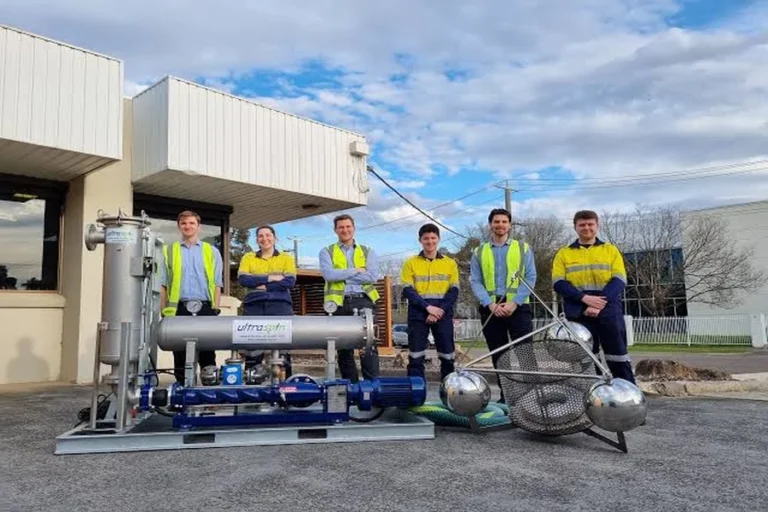
Your ice machine starts spitting cloudy cubes in July. Your dishwashers leave a chalky film no detergent can touch. Your water heater is making a sound somewhere between a kettle and a growl. Nothing has technically broken yet, so nobody calls anyone. That’s the trap. Las Vegas water runs hard enough that mineral scale builds quietly for months before it shows up as a failure, and by then you’re not paying for a repair, you’re paying for a repair plus overtime plus the thing the scale already destroyed. Most business owners only think about their treatment equipment on the day it stops working.
Here’s what I’d rather you do: treat your water system the way you treat your HVAC, with a seasonal check instead of a panic call. That shift alone saves Las Vegas operators real money, and it’s exactly why facilities that plan ahead keep a commercial water softener repair las vegas provider on speed dial before anything fails. Commercial water softener repair is the kind of service you want lined up in advance, not discovered at 6 a.m. on a Saturday.
Why Las Vegas Water Punishes Equipment Faster Than Most Cities
Southern Nevada pulls most of its drinking water from the Colorado River by way of Lake Mead, and that water picks up dissolved calcium and magnesium on its way through desert rock and soil. Hardness is measured in grains per gallon, and the higher that number climbs, the faster scale forms inside anything that heats, sprays, or pumps water.
The practical result is that your equipment lives on borrowed time. Scale acts like insulation on a heating element, so the element runs hotter and longer to hit the same temperature. That’s more gas or electricity, a shorter element life, and a failure you could have seen coming. I’ve watched a restaurant go through two booster heaters in eighteen months because nobody checked the softener’s salt level. The softener wasn’t broken. It was empty. If you’ve never looked up your local hardness number, start there. It reframes every maintenance decision you make after it.
Four Systems That Give You the Warning First
Water trouble announces itself in stages, and the order is remarkably consistent across restaurants, hotels, laundries, and car washes. Watch these four and you’ll catch problems while they’re still cheap.
- Dish machines and glassware.Spots, filming, and cloudy glass after a full wash cycle usually mean the softener isn’t keeping up, not that your detergent went bad.
- Water heaters and boilers.Popping, rumbling, or a slow recovery time points to scale on the heating surfaces.
- Ice machines.Soft or cloudy cubes, or a machine that needs cleaning far more often than it used to.
- Laundry and chemical mixing.Stiff linens, dingy whites, and soap that won’t lather properly are classic hardness symptoms in commercial laundry rooms.
The order matters because the fix gets more expensive at each stage. Resin cleaning or a salt delivery adjustment is a small line item. Replacing a heat exchanger is not. Keep a simple log of when you see each symptom and you’ll start predicting failures instead of reacting to them.
What Actually Breaks on a Commercial Softener
Softener problems cluster into a handful of causes, and knowing them helps you describe the issue accurately when you call. A vague description costs you a diagnostic visit and a second trip.
| Symptom | Usual Cause | What It Means
|
| Hard water returns despite salt in the tank | Brine draw failure or a clogged injector | Resin isn’t regenerating, so it’s exhausted |
| Softener cycles at odd hours or constantly | Control valve or timer fault | Either no regeneration or water waste |
| Pressure drop across the unit | Fouled or channeled resin bed | Flow restriction that strains every pump downstream |
| Salt bridging or mushing in the tank | Humidity, wrong salt type, or overfilling | Regeneration never actually happens |
Salt bridging deserves its own warning because it’s the most common false alarm in the desert. You look in the tank, you see salt, you assume you’re fine. Underneath that crust is often a hollow void, and the softener has been running on empty for weeks. Break the crust with a broom handle before you trust what you see.
The Pre-Summer Check I’d Run Every Year
If you own or manage a Las Vegas commercial property, block two hours in late spring for this. It’s unglamorous and it works.
- Pull a hardness test at two taps.Test before and after the softener so you know whether it’s actually doing anything.
- Inspect the brine tank.Check for bridging, salt mushing, and correct water level above the salt grid.
- Check your salt inventory.Summer demand spikes with occupancy and irrigation. Running out mid-August is a choice.
- Watch a full regeneration cycle.Listen for the brine draw. If it’s silent or short, something’s wrong.
- Log the water pressure.A slow drop across months tells you the resin bed is struggling.
- Photograph everything.Comparing this year’s tank and valve photos to last year’s catches changes your ear and eye would miss.
Certification matters here too. Treatment equipment sold and installed commercially should meet the standards set by the NSF, which is why I’d ask any vendor what their units are certified against before signing. It’s a two-minute question that separates real commercial suppliers from guys with a truck.
Repair, Replace, or Reconfigure?
Here’s my honest rule, and it’s the one I’d apply to my own building. If the unit is under ten years old and the failure is a valve, injector, or brine line, repair it. Those are wear parts and they’re supposed to fail eventually. If the tank itself has cracked, if the resin is more than a decade old and channeling, or if you’ve paid for three repairs in two years, replace the unit. You’re not saving money at that point, you’re paying tuition.
The third option gets ignored too often. Sometimes the equipment is fine but undersized for what you’re actually running. A softener sized for a small cafe will lose every fight against a full commercial kitchen and a laundry room on the same line. Sizing isn’t a sales tactic, it’s basic math based on peak flow and grains of hardness. Organizations like the American Water Works Association publish guidance on water treatment fundamentals that’s worth a look if you want to understand what your vendor is actually calculating.
One more thing worth knowing: softened water isn’t the same as treated water. Discharge from regeneration carries a salt load, and local rules on where that goes have tightened over the years. The EPA maintains public information on water quality and discharge considerations that’s useful background before you expand a system.
Questions Worth Asking Before You Sign Anything
When you do bring in a service provider, the quality of your questions decides the quality of the outcome. Ask how they diagnose a brine draw failure. Ask whether their techs carry common valve parts on the truck or have to order them. Ask what their response window looks like on a Friday afternoon in August. Ask whether salt delivery is bundled or billed separately.
A vendor who answers those without hesitation has done this before. A vendor who pivots to a discount is telling you something else.
Your water system is one of the few assets on your property that quietly affects everything else, your energy bill, your equipment lifespan, your glassware, your guests’ first impression. It deserves more than a glance at the salt tank every few months. So pick a date this spring, run the six-point check, and get a service relationship in place before you need one. When was the last time you actually tested your water instead of assuming it was fine?