

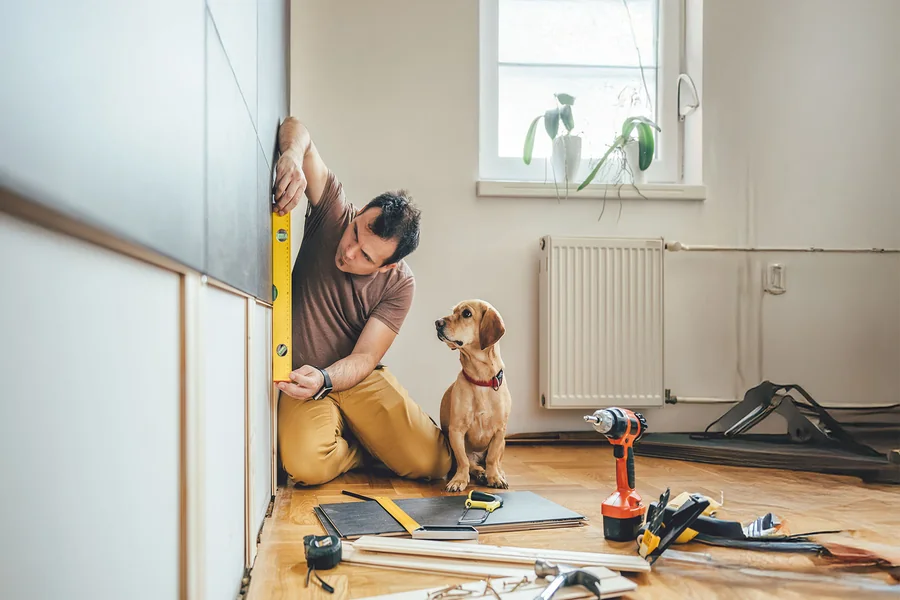
Basic home repairs involve relatively minor to medium home repair problems which occur in ordinary homes and include such things as dripping faucets, clogged drains, cracked walls, malfunctioning toilets, drywall damage, and improperly fitting doors. Some of these home repairs can be carried out using simple tools and methods. Home maintenance will not only save money but will also keep your home safe and in good shape. Some basic knowledge on how to do some home repairs yourself can help you save both time and money.
Why Common Home Repairs Should Never Be Ignored
All houses need repair and maintenance work. Regardless of the sturdiness of the house, there comes a time when it wears out because of constant usage and deteriorating materials.
Neglecting any minor problem in the house may lead to grave danger in the future since the minor problems are bound to become major problems in the future. For example, a small amount of water leakage can damage the floors, the furniture, and even the walls.
Some of the benefits of repairing a house early include:
- Save on expensive repairs
- Safety of the house
- Increased life span of household appliances
- Comfort of the house
- Value of the house
Leaking Faucets and Running Toilets
Water-related problems are among the most common repairs in any home. Even a slow drip can waste a surprising amount of water over time.
How to Fix a Leaking Faucet
The most common causes of a dripping faucet are old washers, old O-rings, and old cartridges.
How to fix a leaky faucet:
- Close the water valve.
- Loosen the handle.
- Pull out the old washer or cartridge.
- Fit in a new one.
- See if the water stops leaking.
If it doesn’t stop, check the valve seat for corrosion.
How to Fix a Running Toilet
Running toilets have a malfunctioning flapper or misadjusted float.
Things to check:
- Flapper valve
- Fill valve
- Height of the float
- Flush chain
Installing a new flapper will likely fix the issue in minutes.
Clogged Drains and Slow Water Flow
Kitchen sinks, bathroom sinks, and showers frequently develop clogs from hair, grease, soap residue, and food particles.
Simple Ways to Remove a Clog
Start with the least aggressive method.
Try these solutions:
- Pour hot water down the drain.
- Use a sink plunger.
- Remove debris with a drain snake.
- Clean the P-trap if necessary.
Avoid using harsh chemical cleaners too often because they may damage some pipes over time.
How to Prevent Future Clogs
Simple habits make a big difference.
- Install drain strainers.
- Avoid pouring grease into the sink.
- Flush drains with hot water regularly.
- Clean bathroom drains every few weeks.
Cracked Walls, Peeling Paint, and Damaged Drywall
Small cosmetic damage is common as homes settle and materials expand or contract.
Repairing Small Wall Cracks
Hairline cracks are usually easy to repair.
Steps include:
- Clean the crack.
- Apply spackling compound.
- Let it dry completely.
- Sand the surface smooth.
- Prime and repaint.
If cracks continue to grow or become wide, consult a structural expert.
Fixing Small Holes in Drywall
Nail holes and dents can usually be repaired with wall filler.
For larger holes:
- Install a drywall patch.
- Apply joint compound.
- Sand smooth.
- Paint to match the wall.
Peeling Paint
Peeling paint often results from moisture or poor surface preparation.
Before repainting:
- Remove loose paint.
- Repair any water damage.
- Prime the area.
- Apply fresh paint.
Doors, Windows, and Squeaky Hinges
Doors and windows shift over time because of humidity and normal wear.
Sticky Doors
If a door sticks:
- Tighten loose hinge screws.
- Check for swollen wood.
- Sand rubbing areas if needed.
- Repaint exposed wood after sanding.
Squeaky Hinges
A squeaky hinge usually needs lubrication.
Use:
- Silicone spray
- Household lubricant
- A small amount of machine oil
Wipe away excess lubricant to prevent dust buildup.
Drafty Windows
Drafts increase heating and cooling costs.
Inspect:
- Weather stripping
- Window locks
- Caulking around frames
Replacing worn seals improves comfort and energy efficiency.
Electrical and Lighting Problems
Electrical issues should always be handled carefully.
Replacing a Light Switch
If a switch stops working:
- Turn off power at the breaker.
- Confirm power is off.
- Remove the old switch.
- Connect wires to the new switch.
- Restore power and test.
If you are unsure about wiring, hire a licensed electrician.
Circuit Breakers That Trip Often
Occasional trips are normal.
Frequent trips may indicate:
- Overloaded circuits
- Faulty appliances
- Wiring problems
- Ground faults
Disconnect unnecessary devices first. If the problem continues, professional inspection is the safest option.
Smoke Detectors
Test smoke alarms every month.
Replace batteries at least once a year or whenever the low-battery warning sounds.
Preventive Maintenance Tips That Save Money
The easiest repair is the one you never have to make.
Create a seasonal maintenance routine.
Helpful tasks include:
- Check for plumbing leaks.
- Clean gutters.
- Replace HVAC filters.
- Inspect roof shingles.
- Seal exterior cracks.
- Test GFCI outlets.
- Clean dryer vents.
- Inspect window and door seals.
- Trim tree branches near the roof.
Keeping a small toolkit at home also makes repairs easier.
A beginner toolkit should include:
- Hammer
- Screwdriver set
- Adjustable wrench
- Utility knife
- Measuring tape
- Pliers
- Flashlight
- Level
- Cordless drill
- Plunger
Regular inspections help catch problems before they become expensive repairs.
Final Thought
Problems such as these are normal in home repair, but need not lead to serious complications. Small leaks, drain blockages, cracked walls, stuck doors, and electrical problems may generally be solved using basic equipment and some patience.
The trick is to deal with them quickly. Home maintenance serves the purpose of avoiding unnecessary damage, lowering expenses on repairs, and ensuring the safety of your residence. Although some home repairs can be handled by novice home repair people, always seek the assistance of a trained professional in case you need to handle something that exceeds your expertise in matters like plumbing and electricity.


2 thoughts on “Common Home Repair Problems and How to Fix Them”