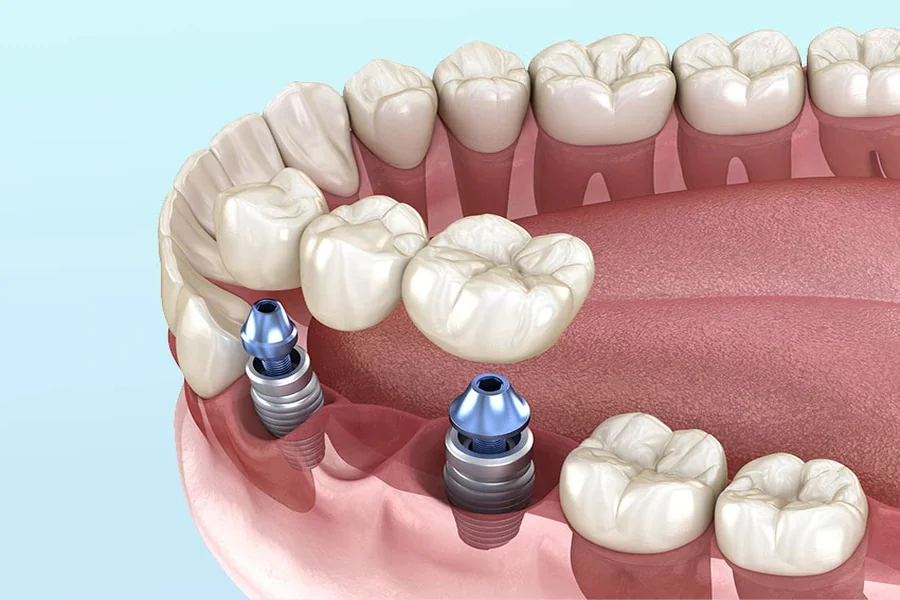
Missing teeth change more than your smile. You notice it when you chew on one side, when certain words come out differently, or when you catch yourself covering your mouth in photos. The gap may seem small at first, but daily life starts adjusting around it. That is usually when people begin looking at options and realize the choice is not just cosmetic. Speaking with a dental implant dentist in Chula Vista can help clarify what solutions are available. It affects comfort, function, and how secure your mouth feels every day.
Implant supported crowns and bridges give you a replacement that is fixed in place and anchored to the jawbone. For many people, that means better stability, less stress while eating, and a result that feels closer to a natural tooth. If you are weighing tooth replacement options, the biggest advantages often come down to strength, bone support, comfort, and long term value.
Implant supported restorations restore stability you can feel every day
A loose or missing tooth creates a chain reaction. You bite differently, then your jaw works harder on one side, and nearby teeth can start shifting into the open space. Traditional removable options help with appearance, but movement during meals or speech can still leave you feeling self conscious. That low grade worry wears on you.
Implants change that because they are placed in the jaw and act as an anchor for the restoration. A crown replaces one tooth. A bridge replaces multiple missing teeth by connecting replacement teeth to implants. The result is fixed, which means it does not come out for cleaning and it does not rely on suction or adhesives to stay put.
The FDA’s overview of dental implants explains that implants are devices placed surgically in the jawbone to support artificial teeth. That support matters in daily life because chewing pressure is directed where it belongs. You feel more secure eating foods that are harder to manage with removable appliances, and speech often feels more natural because the restoration stays in place.
Dental implants help preserve jawbone and facial support
One of the less obvious problems after tooth loss happens below the gumline. The jawbone in that area no longer gets the same stimulation from chewing, so it can begin to shrink over time. You may not notice it right away, but bone loss can affect the fit of future dental work and even the shape of your face.
This is one reason many patients choose implant retained crowns and bridges instead of options that simply sit on top of the gums. Implants provide stimulation to the bone in a way other tooth replacements do not. The University of Illinois Chicago notes in its guide to dental implants that implants help preserve bone and support surrounding oral structures.
That benefit is easy to overlook when you are focused on filling a gap you can see. Still, it has real impact later. Preserving bone can support a better fit, a more stable bite, and a more natural facial profile as the years pass.
Implant and cosmetic dentist treatment protects nearby teeth
Not every tooth replacement option affects the rest of your mouth the same way. A traditional bridge often needs support from the teeth next to the gap, which may require those healthy teeth to be reshaped. That can be the right choice in some cases, but many people prefer to avoid changing neighboring teeth if they do not have to.
Implants stand on their own. That means a single missing tooth can often be replaced without putting extra strain on the teeth beside it. When several teeth are missing, an implant supported bridge can restore the area without relying on every adjacent tooth for support.
This is where the broader value of a dental implant becomes clear. The goal is not only to replace what is gone, but also to protect what is still healthy. If you have ever had one dental problem turn into three, you already know why that matters.
Long term comfort and value often outweigh the higher upfront cost
The first number you hear for implants can stop you cold. That reaction is normal. Implant treatment usually costs more upfront than removable options or some traditional bridges. The financial question is real, especially if more than one tooth is involved.
The longer view often changes the picture. Implants are designed to be durable, and many patients find the daily comfort worth the investment. You are not buying adhesives, adjusting to slipping, or planning meals around what your teeth can handle. The University of Rochester Medical Center explains in its piece on considering dental implants that implants can function much like natural teeth and are known for long term success when properly cared for.
That does not mean implants are perfect for everyone. Some people need bone grafting first. Some have health conditions that affect healing. Smoking can raise the risk of complications. A careful exam matters because the best treatment is the one that fits your mouth, health history, and budget without creating new problems later.
Comparing implant supported crowns and bridges to traditional options
| Feature | Implant Supported Crown or Bridge | Traditional Bridge or Removable Option |
|---|---|---|
| Stability | Fixed in place and anchored to implants | May rely on nearby teeth or may shift during use |
| Effect on jawbone | Helps stimulate bone in the area of the missing tooth | Does not provide the same bone stimulation |
| Impact on nearby teeth | Often leaves adjacent teeth untouched | Traditional bridges may require reshaping healthy teeth |
| Daily comfort | No removal for cleaning, no adhesives | Removable options may feel bulky or less secure |
| Upfront cost | Usually higher | Usually lower |
| Long term value | Often strong durability and function with good care | May need more adjustments or replacement over time |
Clear next steps can make the decision feel less overwhelming
Get a full evaluation. Ask for imaging, a bite assessment, and a review of bone levels. If you are comparing options, you need more than a quick glance. You need to know whether implants are possible now, whether you need grafting, and what the full treatment plan looks like.
Compare total cost, not just starting cost. Ask what maintenance, repairs, or future replacements may be expected with each option. A lower initial price can look very different after years of relines, remakes, or adjustments.
Talk through your real daily concerns. Say if you avoid smiling, if chewing feels uneven, or if you want to keep treatment as conservative as possible for nearby teeth. Those details shape the right plan more than people realize.
Tooth loss can make you feel older, less confident, and tired of working around your mouth. You do not have to stay stuck there. The right implant and cosmetic dentist can help you understand whether implant supported crowns and bridges match your goals and your health, then map out the next step with clarity and care.