Most people have a habit of waiting things out when they feel unwell. A cough, a headache, or a strange feeling of pressure usually fades on its own, so it is easy to assume the same will happen every time. Yet some symptoms do not fade. They linger quietly for weeks or months, and they slowly start to shape how a person sleeps, works, and enjoys daily life.
For families in Palmdale, as in any community, paying attention to these signals early can make a real difference. Early diagnosis turns a vague worry into a clear answer, and that answer is often the first step toward simpler treatment, faster relief, and fewer problems later on.
When Lingering Problems Point to a Specific Area
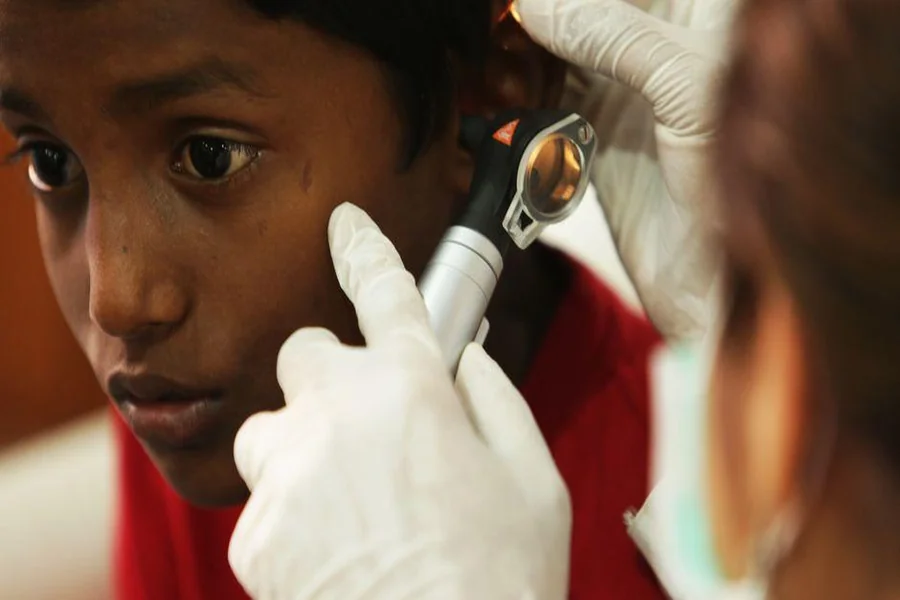
Some symptoms seem minor at first, yet they return again and again until they begin to affect sleep, work, and simple comfort. A blocked nose that never clears, ringing in the ears, a hoarse voice, or a sore throat that keeps coming back are common ear, nose, and throat problems that people tend to put off. Doctors who focus on these connected parts of the head and neck can find the cause of such issues and suggest the right care before they grow worse.
Get in touch with local Palmdale ENT specialists who can examine a recurring problem and explain its cause. Clear answers at this stage usually make treatment simpler and help you get back to your normal routine sooner.
Why Persistent Symptoms Deserve Attention
The body has its own way of signaling that something is not right. A symptom that appears once and disappears is rarely a cause for concern. A symptom that stays, returns, or slowly gets worse is different. It suggests that the body has not been able to correct the problem by itself.
Many people ignore these signs because they are busy, because they do not want to make a fuss, or because they have simply grown used to feeling slightly unwell. Over time, that discomfort can start to feel normal. This is one of the main reasons health problems are often found later than they should be. Paying attention to patterns, rather than single moments, helps people notice when something needs a closer look.
How Early Answers Shape Better Treatment
When a health problem is found early, there are usually more ways to treat it. Mild conditions often respond well to simple changes, short courses of medicine, or small procedures. The same condition, left alone for a long time, may need stronger treatment, longer recovery, or closer follow-up.
An early diagnosis also removes guesswork. Without a clear cause, people may try one home remedy after another, spending time and money on things that do not help. A proper diagnosis gives the person and their doctor a shared starting point, and every decision after that becomes easier to make.
The Link Between Delay and Complications
Many complications begin as small problems that were given too much time to grow. An infection that is not treated can spread to nearby areas. Swelling that is ignored can block normal function. Ongoing pain or poor sleep can wear down the immune system and make it harder for the body to recover from other illnesses.
Delay can also affect mental health. Living with a problem that has no name often brings worry and frustration. People may start to avoid social plans, struggle at work, or feel tired all the time without knowing why. Finding the cause early protects not only physical health but also peace of mind.
Keeping a Clear Record of What You Notice
One of the most useful things a person can do is keep track of their symptoms. A short note on your phone works well. Writing down when a symptom started, how often it appears, what seems to make it better or worse, and how it affects daily life gives a doctor valuable information.
This kind of record helps in several ways. It shows whether the problem is getting better, staying the same, or slowly getting worse. It also helps people remember details that are easy to forget during a short appointment.
Building Habits That Support Early Detection
Early diagnosis does not depend on luck. It grows out of steady, everyday habits that keep health in view. Regular checkups also give doctors a chance to spot changes before they become serious.
Listening to the body is just as important. Rest, good food, water, and movement support health and also make it easier to notice when something feels off. A person who usually sleeps well, for example, will quickly notice when their sleep changes. Being honest about these changes, instead of brushing them aside, is a simple habit that protects long-term health.
Parents can also help children build these habits early. Children may not always explain how they feel, so watching for changes in sleep, mood, appetite, or hearing can reveal problems that need attention. Teaching children to speak up when something hurts or feels wrong sets them up for a lifetime of better care.
How Early Diagnosis Improves Everyday Life
The benefits of early diagnosis reach far beyond the doctor’s office. People who get clear answers sooner often return to work, school, and family life with fewer interruptions. They also spend less energy worrying about what might be wrong.
Early care can also reduce the overall cost of treatment. Simple care is usually less expensive than managing a problem that has grown more complex. Fewer complications mean fewer extra visits, fewer missed days, and less strain on the household.
Most importantly, early diagnosis gives people a sense of control. Instead of waiting and wondering, they can take clear steps toward feeling better. Even when a condition needs ongoing care, knowing what it is makes it far easier to manage. Taking a lingering symptom seriously today can protect comfort, energy, and quality of life for years to come.