

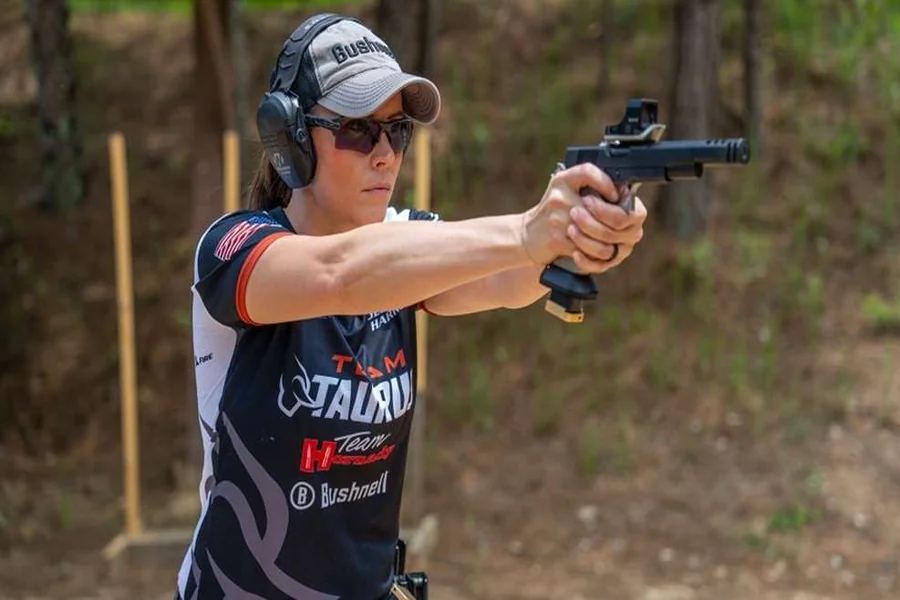
52 million people. That’s not a typo. That’s roughly how many Americans are participating in some form of sport and target shooting today, and the number keeps climbing. Pistol shooting in particular has quietly moved from niche hobby to genuine mainstream pastime, sitting comfortably alongside golf, cycling, and tennis as something people do on weekends because they genuinely enjoy it. If you’ve been curious about what’s driving that growth, or whether the hobby is worth getting into yourself, the answer is more interesting than most people expect.
The Numbers Behind the Boom
Participation data tells a clear story. Most activities in the shooting sports segment experienced solid gains in 2023, netting out at a 4.8% increase in Total Participation Points , according to the National Sporting Goods Association’s 2024 Sports Participation Report. That’s a meaningful jump in a single year, and it outpaced many mainstream sports in the same period.
The reasons are layered. Ranges have gotten more welcoming. Instructional content is everywhere. And the barrier to entry, especially for handgun shooting, is genuinely low compared to sports that require expensive court time, league memberships, or complicated gear setups. You show up, you rent a lane, you shoot. That’s it.
What’s interesting is who’s showing up now. The demographic profile of recreational pistol shooters has widened considerably over the past decade. Younger adults, women, and urban residents who never grew up around firearms are walking into ranges for the first time and discovering they love the combination of focus, precision, and immediate feedback that pistol shooting delivers.
What Makes Pistol Shooting Different From Other Precision Sports
Most precision sports, think archery or competitive billiards, take months before a beginner gets satisfying results. Pistol shooting has a steeper initial learning curve in some ways, but the payoff loop is almost instant. You pull the trigger, something happens downrange, and you get real information about your technique right away. That cycle is genuinely addictive.
There’s also a mental component that people don’t talk about enough. Shooting well requires a level of present-moment focus that most recreational activities don’t demand. You can’t be distracted by your phone, your to-do list, or last night’s argument when you’re concentrating on sight alignment and trigger control. Serious shooters describe the range as one of the few places where everything else disappears. That’s not hype. It’s a consistent theme in shooter communities across the country.
“Target shooting is also a popular U.S. sport,” notes the RAND Corporation in its gun policy research published in 2024, citing U.S. Fish and Wildlife Service data showing that 46.2 million people aged six or older went target shooting with firearms in 2021, according to a 2022 survey.
Those numbers frame just how mainstream this activity has become. Pistol shooting isn’t a fringe pursuit anymore. It’s a legitimate recreational category with the participation figures to prove it.
The Three-Range Ladder: A Framework for New Shooters
Here’s something most beginner guides skip: not all ranges are the same experience, and which one you start at shapes whether you stick with the hobby. Think of your first year as climbing a three-rung ladder.
Rung one is the indoor rental range. This is where most people start, and it’s perfect for that. You rent a pistol, buy a box of range ammo, and work with a staff member who can walk you through safety basics. No commitment, no gear investment. You’re testing whether you actually like shooting before spending a dollar on your own equipment. Most good indoor ranges have staff who expect first-timers and handle the experience well.
Rung two is buying your own pistol and shooting regularly. Once you’ve decided the hobby clicks, most new shooters settle on a 9mm pistol as their first firearm. It’s the most popular handgun caliber in the country for practical reasons: manageable recoil, wide availability of platforms from Glock to Sig Sauer to Smith & Wesson, and relatively affordable ammunition. Buying quality 9mm ammo in bulk is how regular shooters keep their cost per session reasonable, since range time adds up fast when you’re genuinely hooked.
Rung three is joining a club or entering an informal competition. USPSA, IDPA, and steel challenge matches run at clubs across the country every weekend. These aren’t elite events. They’re casual, social, and genuinely fun. Your first match, you’re not trying to win. You’re learning the rules, meeting other shooters, and discovering that structured competition makes you improve faster than solo range sessions ever could.
You don’t have to climb all three rungs. Plenty of people stay at rung two for years and love it. But knowing the ladder exists helps you plan your progression rather than stumbling into it.
The Economic Footprint Nobody Talks About
Recreational shooting isn’t just growing in popularity. It’s carrying serious economic weight. In 2024, firearm and ammunition manufacturers reached $17 billion in excise tax contributions to the Wildlife Restoration Trust Fund since its inception in 1937 , according to the Congressional Sportsmen’s Foundation. A significant portion of that money flows directly into state wildlife agencies and conservation programs, which means every box of ammo a recreational shooter buys is indirectly funding public lands and habitat preservation.
That connection surprises people who think of shooting sports as existing in isolation from broader outdoor culture. It doesn’t. Recreational shooters, hunters, and conservationists are deeply interconnected in the funding ecosystem that keeps American public lands accessible. The hobby funds more than most people realize.
Gear Rabbit Holes and How to Avoid Getting Lost
Fair warning: the gear side of this hobby has a gravitational pull that can consume your weekends and your bank account if you’re not careful. Holsters, lights, optics, aftermarket triggers, custom grips, cleaning kits. Every piece of gear has an online forum devoted to it, and every forum has passionate opinions about which option is best.
The practical advice is simple. Shoot your pistol for at least three months before you buy any accessories. By then you’ll know what actually bothers you about the stock setup versus what just felt unfamiliar at first. New shooters who buy upgrades immediately almost always buy the wrong ones, because they don’t yet know their own technique well enough to identify what the equipment is and isn’t responsible for.
Dry fire practice, which means practicing trigger pulls with an unloaded and verified-safe pistol at home, is free and more valuable than most paid gear upgrades. Twenty minutes of dry fire three times a week will improve your accuracy faster than a new trigger shoe from any aftermarket brand.
A Sport That Rewards Consistency Over Natural Talent
Here’s the contrarian truth about pistol shooting: raw talent matters very little. Unlike ball sports where hand-eye coordination and athleticism create instant natural advantages, pistol shooting is almost entirely a learned skill. That’s actually great news for most people.
The shooter who shows up twice a week and practices deliberately will outshoot the person with “natural ability” who shows up occasionally and just blasts through rounds without intention. Every serious competitor you’ll meet at a club traces their improvement to consistent, focused practice rather than some innate gift. That democratizes the sport in a way that genuinely matters. You don’t need to be young, fast, or athletic. You need to be patient and consistent.
If you’ve been on the fence about giving pistol shooting a try, the window to start has never been better. Ranges are welcoming, instruction is accessible, and the community around the sport keeps growing. The data agrees. And once you’re in, most shooters find it’s one of the harder hobbies to quit.