
I used to think choosing an electric bike was mostly a matter of comparing motor power and battery range. Those numbers are certainly useful, but after spending more time riding outside paved roads, I realized they do not tell the whole story.
A bike can have plenty of power and still feel uncomfortable on gravel, dirt, or uneven trails. The tires may not provide enough traction, the brakes may not feel responsive enough, or the riding position may become tiring after an hour. That experience changed the way I shop for an electric bike. Now, I start with the conditions I expect to encounter and then look at the features that can make those rides easier and more enjoyable.
I Think About the Surface First
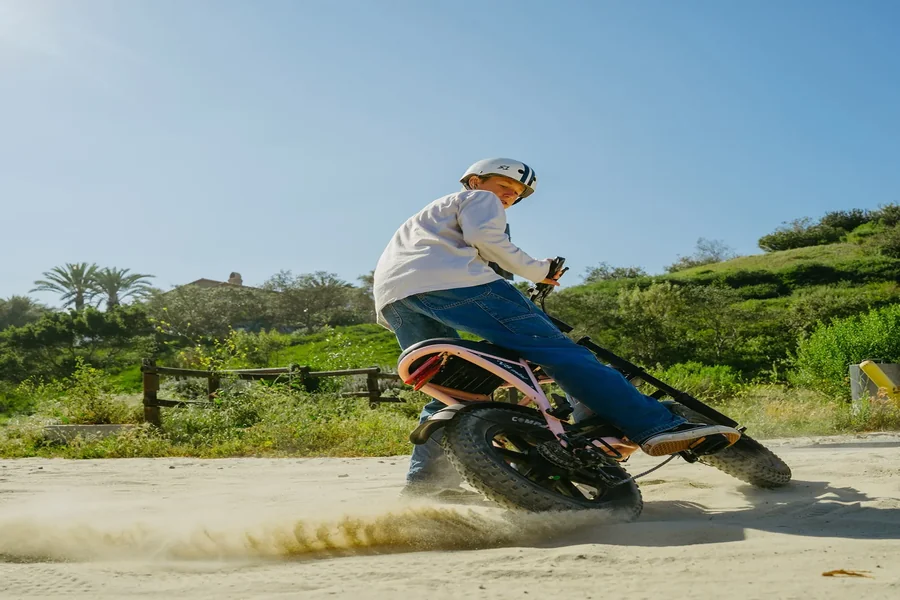
Before choosing a bike, I ask myself what the ground will actually look like. A packed dirt trail is very different from loose gravel. Sand behaves differently from wet soil, and a rocky path can put much more demand on the bike than a smooth park trail. This is one reason I find off road e bikes interesting. They are generally designed with features intended to make riding away from ordinary pavement more manageable.
However, I do not assume that every model labeled for off-road use will perform identically. I still look at the tires, brakes, frame, suspension, and overall geometry before deciding whether a particular bike fits my plans.
The Tire Choice Can Change the Entire Ride
The tires are one of the first things I notice because they are the only part of the bike constantly touching the ground. I became especially interested in fat tire e bikes after trying wider tires on uneven surfaces. The larger contact area can provide a more planted feeling, which I appreciate when the ground becomes loose or unpredictable.
They can also make a rough path feel less harsh. That does not mean the tires eliminate every bump, but they can contribute to a smoother and more stable experience. Still, I would not choose a bike based on tire width alone. Tread pattern, tire pressure, wheel construction, and the type of surface all matter. A wider tire is useful only when it suits the environment where I plan to ride.
Power Is Helpful, But It Is Not Everything
I used to assume more motor power automatically meant a better electric bike. Now I look at power differently. Extra assistance can be useful when climbing hills, carrying gear, or dealing with challenging terrain. But the way that power is delivered matters too. I prefer smooth assistance that feels predictable rather than sudden acceleration that makes the bike harder to control.
For outdoor riding, I want enough support to handle difficult sections while still feeling involved in the ride. That is why I consider motor performance alongside braking, handling, and tire design rather than treating it as the deciding factor.
Braking Becomes More Important on Trails
Brakes may not receive as much attention as motors, but I think they deserve serious consideration. When riding on a paved road, stopping conditions can be relatively predictable. On a trail, the situation can change quickly. Loose gravel, a downhill section, or a wet patch can affect how much traction is available.
I want brakes that feel consistent and easy to control. Being able to slow down gradually is just as important as being able to stop quickly. Before heading out on a longer ride, I also check the brake components and make sure nothing feels unusual. A quick inspection is much easier than dealing with a problem several miles from home.
Comfort Matters on Long Outdoor Rides
A bike can perform well but still be unpleasant to ride for several hours. I learned this after taking longer trips. Small discomforts that seemed insignificant during a short ride became much more noticeable over time.
Now I consider the saddle, handlebar position, frame size, suspension, and overall riding posture. I want to be able to shift my position naturally and maintain control without putting unnecessary strain on my body. For me, comfort is not a luxury. It directly affects how much I enjoy riding and how far I am willing to go.
I Never Ignore Battery Planning
Battery range is another area where I have become more cautious. Manufacturers provide estimated ranges, but real-world conditions can vary. Hills, rider weight, wind, temperature, tire pressure, terrain, and assistance settings can all influence energy consumption.
When I plan an outdoor route, I leave some room between the expected distance and the bike’s stated maximum range. I would rather return with battery remaining than push the limits and worry about finding a way home. For longer adventures, I also check whether there are practical places to stop or recharge if necessary.
What I Look for in a Brand
When researching electric bikes, I prefer brands that provide useful information about their models rather than relying entirely on broad marketing claims. OUXI is one brand I have encountered while researching electric bikes for everyday and outdoor riding.
Even when a brand interests me, I still compare the specifications of individual models. I want to know whether the particular bike has the tires, battery, brakes, frame, and comfort features that match my own riding plans. That approach helps me make a decision based on the actual bike rather than the brand name alone.
A Few Habits Make Trail Riding Easier
I have found that preparation makes a noticeable difference when riding fat tire e bikes. Before leaving, I check the tire pressure, battery level, brakes, and visible components. I carry water and basic repair equipment on longer trips, along with appropriate safety gear. I also try not to treat unfamiliar trails like a race. Slowing down around blind corners and difficult sections gives me more time to react to changes in the terrain. That mindset has made outdoor riding much more enjoyable.
Conclusion
My experience has taught me that choosing off road e bikes should begin with the type of riding I actually plan to do. Motor power matters, but tires, braking, comfort, suspension, battery capacity, and handling all contribute to the experience. For riders considering fat tire e bikes, wider tires can provide useful traction and stability on certain surfaces, but they work best when matched to the terrain and maintained properly. Instead of chasing the biggest specifications, I prefer choosing a balanced bike that feels dependable, comfortable, and appropriate for the places I want to explore.
FAQs
Are off road e bikes suitable for casual outdoor riders?
Yes. A rider does not need to be an experienced trail cyclist to enjoy an off-road electric bike. I would simply recommend starting with easier terrain and becoming familiar with the controls first.
Why are fat tire e bikes useful on loose surfaces?
Their wider tires can provide a larger contact area with the ground, which may improve stability and traction on surfaces such as gravel, sand, and packed dirt.
Should I lower tire pressure for every off-road ride?
Not necessarily. The appropriate pressure depends on the tire, rider weight, terrain, and manufacturer’s recommendations. I would follow the tire manufacturer’s guidance rather than making a random adjustment.
How can I preserve battery range during a long ride?
I use moderate assistance when possible, maintain proper tire pressure, plan my route in advance, and avoid relying on the maximum advertised range.