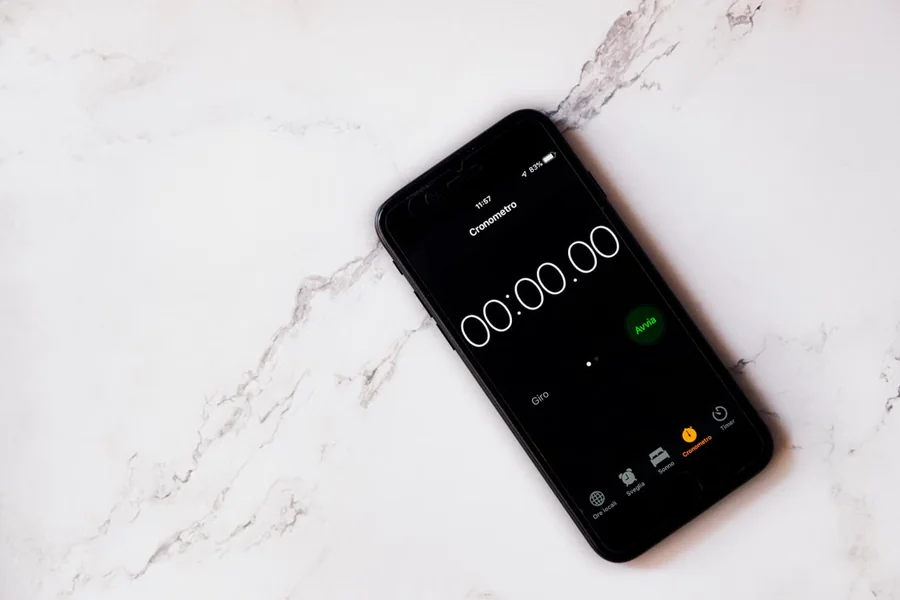
Every year on Cyber Monday, millions of people land on deal pages where a small red clock is already running. It reads 03:14:52, then 03:14:51, and something in the brain tightens. That 49 dollar jacket costs what it did last week. It changes how the shopper feels about the next ten minutes.
Clocks that shape decisions are everywhere, not just in retail. A live show such as this money time casino game uses a visible window that ticks down before each round, and that is a clean example of how a countdown turns an open ended choice into a defined moment. Deal pages borrow the same idea and apply it to a cart.
Why a Ticking Clock Changes Behavior
Behavioral researchers usually explain the effect through scarcity. When time looks limited, the option feels more valuable, and the effort of comparing alternatives starts to feel expensive. A shopper who would normally open four tabs now opens one.
A countdown also adds a deadline to a decision that had none. Without it, “maybe tomorrow” is always available. With it, waiting becomes a visible loss. Retail teams tend to use three kinds of clock. One is a fixed deadline, such as “ends at midnight,” the same for everyone. Another is a session timer that starts when you arrive and resets for the next visitor. The third pairs a clock with a shrinking “only 7 left” counter. They are not equal in how they work, as the comparison below shows.
| Timer type | What the shopper sees | Usual effect |
| Fixed deadline | One shared end time | Steady rise in purchases near the end |
| Session timer | A clock tied to the visit | Faster checkout, higher chance of resets being noticed |
| Stock plus clock | Time and quantity together | Strongest pressure, strongest chance of doubt |
The Honest Timer and the Fake One
A fixed deadline that matches a real price change is simply information. The shopper learns when the offer ends and plans around it. Most people respond well to this, and the page feels organized rather than pushy.
Session timers are different. If the clock resets on refresh, a curious shopper will eventually spot it, often by reloading the page out of habit. One reader I spoke with described waiting out a “15 minute” timer, watching it restart, and closing the tab for good. Trust, once lost on a single page, rarely comes back for the whole store. Merchants who run honest clocks often see fewer complaints, fewer chargebacks and more return visits later, not only that night.
What Shoppers Do Under the Clock
Under time pressure, people lean on shortcuts. They trust the first discount number they see, skip reading return terms, and compare less. Studies of online checkout behavior generally find shorter browsing before purchase when a deadline is shown, though the size of the effect varies a lot by product and price. Picture a shopper with a forty minute window before a meeting, a cart holding a 120 dollar headset, and a clock showing nine minutes left. Most will buy, and many will skip the one review that mentions a faulty ear cushion. Few will open the returns page at all, which is exactly the page that would calm their nerves.
Higher priced items behave differently. For a laptop, a clock may push someone to open the cart, but the final click still waits for a price check elsewhere. For a phone case or a bundle of socks, the clock can be enough on its own. The bigger the stake, the weaker the nudge. Mood matters too. A tired shopper at eleven at night, with a clock in the corner, is more likely to settle for a decent deal than to hunt for the best one available there. That is not a flaw in the person. It is how attention behaves when it is rationed.
How to Use a Countdown Without Losing the Shopper
For people building pages, the useful rule is simple. Tie the clock to something real, show the end time in plain words next to it, and keep it still when the page reloads. A timer that agrees with the fine print builds a small amount of credibility, and credibility is what carries a shopper through checkout.
For people shopping, the best defense is a short habit with three steps:
- Check whether the price history of the item supports the claimed discount.
- Decide your spending limit before opening the page.
- Reload once to see whether the clock resets.
A countdown is a prompt, not a rule. If the offer is real, a minute of checking rarely costs the deal, and if it vanishes, another one on the same item usually appears within days, often at a similar price.