

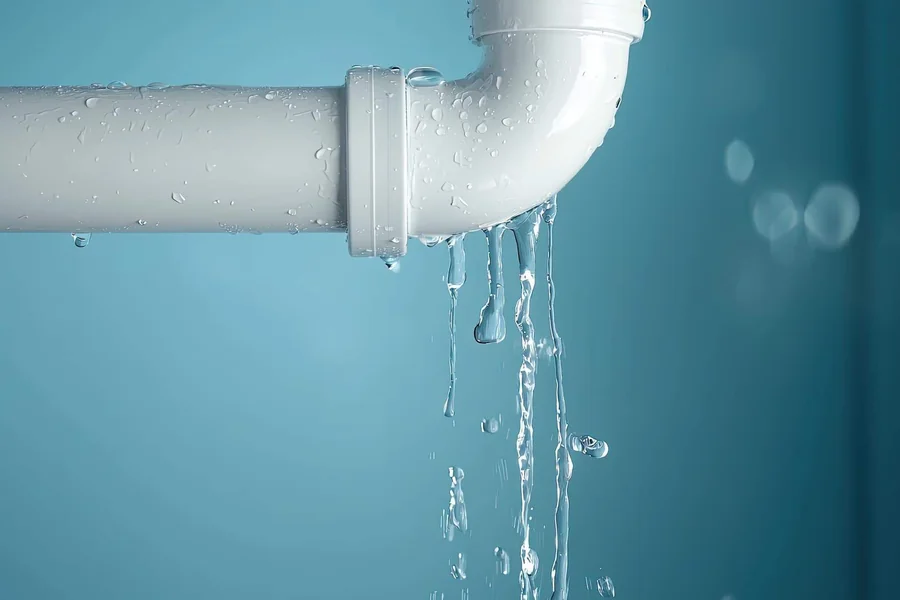
Your water bill just jumped $40 for no obvious reason. You haven’t changed your habits, you haven’t filled a pool, and the lawn sprinklers are on the same schedule as always. That $40 spike is your house trying to tell you something, and ignoring it is exactly how a $200 repair turns into a $12,000 insurance claim.
Hidden plumbing leaks are genuinely one of the sneakiest problems a home can have. They don’t announce themselves with a dramatic burst. They sit behind walls, under slabs, and inside ceilings, quietly doing damage for months before you ever notice a stain. Knowing what to look for puts you in control of the situation before a plumber has to tear apart a floor to find the source.
Why Hidden Leaks Are Such a Big Deal
Most homeowners picture a plumbing leak as a flooded bathroom or a pipe spraying water across the kitchen. That kind of leak is bad, but at least it’s obvious. The dangerous variety is the slow, invisible kind that you don’t find until you see a soft spot in the floor or a wall that suddenly feels warm to the touch.
According to the EPA’s WaterSense program, the average household’s leaks can account for nearly 10,000 gallons of water wasted every year and could be adding as much as 10% to your water bill. That’s not a rounding error on your utility statement. That’s real money leaving your account every single month while you assume nothing is wrong.
The structural story is worse. Data from the Insurance Information Institute, collected from 2019 through 2023, showed that one in every 67 insured homeowners filed a claim due to water damage or freezing each year, with an average claim amount of $15,400. A slow leak that could have been fixed for a few hundred dollars can easily compound into a claim that size once mold, drywall damage, and subfloor rot enter the picture.
The Six Warning Signs Worth Taking Seriously
Not all of these will be obvious. Some are easy to dismiss as normal house quirks. That’s exactly why they matter.
An unexplained spike in your water bill. This is the most reliable early warning you’ll get. If your household routine hasn’t changed but usage has climbed, water is going somewhere. Pull the last three bills and compare month over month. A 15% or higher increase with no behavioral explanation is worth investigating the same week.
A water meter that won’t stay still. Turn off every faucet, appliance, and irrigation zone in the house. Go read your water meter, then come back in exactly two hours without running anything. If the reading changed, you have a leak. This test, I’d call it the “Meter Pause Test,” takes ten minutes and eliminates all the guesswork about whether your bill spike is real or a billing error. Do this before calling anyone. It tells you within the first five minutes whether a professional visit is warranted.
Warm or soft spots on floors. A slab leak, which is a breach in a pipe running beneath the concrete foundation of your home, often announces itself through floor temperature changes. Walk barefoot across your tile or hardwood on a cool morning. A patch of floor that feels noticeably warmer than the rest is a classic sign of a hot-water line leaking directly below. Soft spots or slight bounce in wood flooring in areas away from the bathroom are red flags too, since subfloor saturation creates that sensation before you ever see visible damage.
Musty smell with no visible source. Mold can begin growing in as little as 48 hours after a surface gets wet. A persistent earthy smell in a closet, behind a wall, or under a sink cabinet almost always means there is ongoing moisture, not just a one-time splash that dried up. Trust this signal. If you can smell mold but can’t see it, the source is almost certainly inside a wall or under flooring.
Discoloration or bubbling on walls and ceilings. Yellowish or brownish stains, paint that bubbles away from the surface, or drywall that has developed a slight warp are all signs of water intrusion. One isolated stain after a heavy rain might be a roof issue. A stain that slowly grows between rainy periods is pointing at a plumbing line.
Unusually lush patches in your yard. A supply line running from the street to your house can develop pinhole leaks underground. Those leaks feed the soil directly, which creates an oddly green, fast-growing strip of grass in an otherwise uniform yard. In drier climates this effect is especially obvious because the contrast between the leak-fed patch and the surrounding grass is stark.
Where Leaks Actually Hide in Your Home
Think about the places in your house where pipes run but where you never look. That list is longer than most people realize.
- Behind the wall connecting to your refrigerator’s ice maker
- Under the concrete slab, particularly in older homes built before 1990
- Inside the wall behind the shower valve
- Along the supply line connecting your toilet tank to the shut-off valve
- In the crawl space beneath a single-story home
- At the joint where your water heater connects to its supply and discharge lines
Toilets deserve special attention. They are, by a wide margin, the most common source of silent water loss in residential homes. A flapper that doesn’t seat properly lets water trickle continuously from the tank into the bowl without any audible dripping sound. You can check yours in under a minute by dropping a few drops of food coloring into the tank and waiting ten minutes without flushing. If color shows up in the bowl, the flapper is leaking.
What to Do When You Find the Signs
Here’s a practical sequence that works regardless of where you think the leak is coming from.
- Run the Meter Pause Test first to confirm a leak exists and get a rough sense of severity.
- Check your toilets with the food coloring test, since they account for a disproportionate share of silent leaks.
- Inspect under every sink cabinet for moisture on the base panel or in the back corners.
- Look at your water heater’s connections and the surrounding floor for any mineral buildup or moisture.
- Walk the yard and note any greener-than-normal strips between the water meter and the house.
- If none of those surfaces produce an obvious find, assume the leak is behind a wall or under a slab and call for professional leak detection.
Professional leak detection uses acoustic equipment and thermal imaging to find the exact breach without opening every wall in your house. This is genuinely where DIY reaches its limit. A technician can pinpoint a slab leak to within inches, which means the smallest possible area gets opened. In a region like West Texas, where older homes near downtown often have original galvanized or copper lines running under concrete slabs, this precision matters enormously. A good san angelo plumber with slab leak experience can often locate and access a leak without the kind of excavation that older detection methods required.
The Cost Argument for Acting Fast
Slow leaks don’t stay slow. A pinhole in a copper supply line will corrode wider over time. A saturated subfloor will rot and develop mold. What begins as a moisture problem behind drywall becomes a structural repair and a mold remediation job if you wait a season to address it.
According to the EPA’s WaterSense program, the average family spends more than $1,000 per year in water costs but can save more than $380 annually by retrofitting with WaterSense labeled fixtures and efficient appliances. Fixing an active leak on top of that saves even more, and it stops the secondary damage that always costs far more than the plumbing repair itself.
“The sooner a leak is identified, the less damage it can cause.” — Michael Loik, Ph.D., professor of environmental studies at UC Santa Cruz, cited by This Old House in their 2026 water damage statistics report.
That quote covers the whole argument in one sentence. The leak is already there. The only variable you control is how long it runs before you do something about it.
One Thing Most Homeowners Skip
Annual plumbing inspections. Not because something is broken, but because a plumber walking through your home once a year will catch the early-stage signs that you are not trained to see. Mineral buildup at a valve connection, a slow-draining tub that signals a partial blockage building toward a backup, pressure that has crept slightly above the recommended range. These are cheap fixes when caught early and expensive surprises when found by accident during an emergency call at 11 PM on a Sunday.
You don’t have to wait for a crisis to pay attention to your plumbing. Your house is giving you signals every day. The homeowners who avoid the big repair bills are simply the ones who know which signals to listen for.