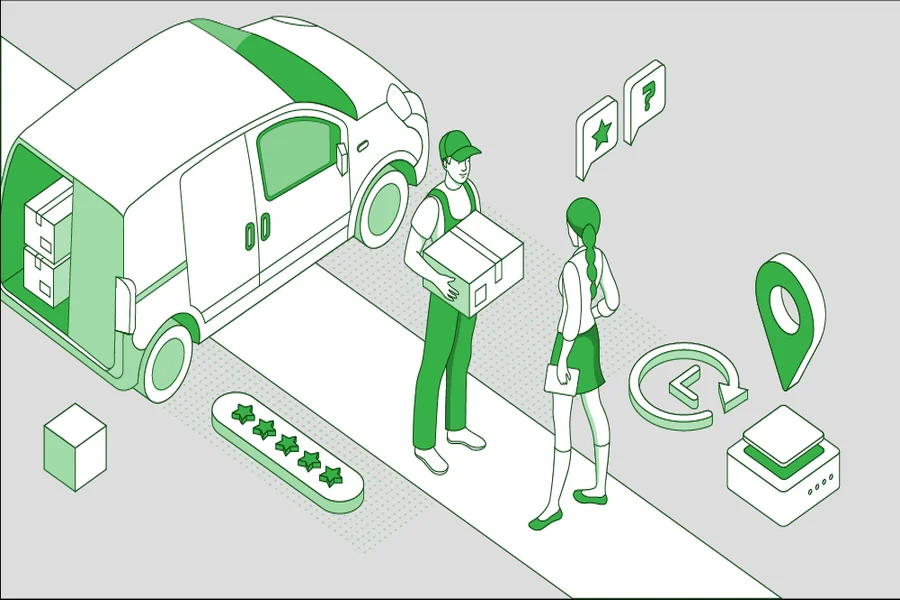
Last mile delivery has become a critical component in the logistics and supply chain industry, particularly with the rise of e-commerce and consumer expectations for faster, more efficient delivery services. This phase of the delivery process involves transporting goods from a local distribution centre directly to the final customer’s location. Understanding the complexities of last mile delivery is essential for businesses looking to optimise operations, reduce costs, and improve customer satisfaction.
What is Last Mile Delivery?
Last mile delivery refers to the final step in the delivery process where the product is moved from the transportation hub to the customer’s doorstep. Although it appears to be the shortest segment in terms of distance, it is often the most intricate and expensive part of the supply chain. The primary objective is to ensure timely and accurate delivery, enhancing the overall customer experience.
The Importance of Last Mile Delivery
In today’s competitive market, customers expect quick and reliable delivery services. The success of online retailers often hinges on their ability to provide effective last mile delivery. Inefficiencies or delays during this stage can result in customer dissatisfaction, increased returns, and loss of business. Furthermore, last mile delivery significantly contributes to the overall logistics cost, sometimes accounting for over half of total shipping expenses.
Key Challenges in Last Mile Delivery
Several challenges impact the effectiveness of last mile delivery, making it a complex problem for businesses to address.
1. Increasing Consumer Expectations
Consumers demand faster delivery times, often expecting same-day or next-day service. Meeting these expectations requires sophisticated logistics planning and real-time delivery tracking, which can escalate operational costs.
2. Delivery Cost Management
The cost of last mile delivery is disproportionately high, largely due to the fragmented nature of deliveries and the difficulty in consolidating shipments. Frequent stops, failed deliveries, and inefficient route planning all contribute to escalating costs.
3. Urban Congestion and Accessibility
Last mile deliveries in urban areas face challenges such as traffic congestion, limited parking, and access restrictions. These factors increase delivery times and fuel consumption, further complicating cost management and efficiency.
4. Failed Deliveries
Failed delivery attempts due to customers being unavailable can increase return trips, adding to operational inefficiencies and customer dissatisfaction. Addressing this issue requires better communication and scheduling systems.
5. Environmental Concerns
With the increase in delivery vehicles on the road, last mile delivery contributes significantly to urban pollution and carbon emissions. Sustainable delivery practices are becoming vital for businesses in response to environmental regulations and consumer preferences.
Solutions to Overcome Last Mile Delivery Challenges
To improve last mile delivery operations, companies are adopting various strategies that leverage technology and innovative logistics models.
1. Route Optimisation Software
Advanced route planning tools use algorithms and real-time data to design the most efficient delivery routes. This reduces travel time and fuel consumption, lowering costs and improving delivery speed.
2. Use of Delivery Lockers and Pickup Points
Implementing secure delivery lockers and designated pickup points allows customers to collect parcels at their convenience. This reduces failed deliveries and allows for bulk drop-offs, thereby improving efficiency.
3. Crowdsourcing and Gig Economy Solutions
Some companies are leveraging freelance drivers and crowdsourced delivery networks to increase flexibility and scalability. This approach helps manage fluctuating delivery volumes without significant fixed costs.
4. Electric and Alternative Fuel Vehicles
Transitioning to electric vans and other low-emission vehicles aids in reducing environmental impact and is becoming increasingly important for compliance with urban regulations and sustainability goals.
5. Real-Time Tracking and Customer Communication
Providing customers with real-time updates on their deliveries increases transparency and reduces failed deliveries. Effective communication also allows rescheduling and rerouting, ensuring more successful handovers.
Technological Innovations Driving Last Mile Delivery
Technology continues to reshape how last mile delivery challenges are tackled. Artificial intelligence, machine learning, and Internet of Things (IoT) devices enable dynamic route optimisation and predictive analytics. Drones and autonomous vehicles are also being explored as potential future solutions to last mile delivery constraints.
Impact of Last Mile Delivery on Business Performance
Efficient last mile delivery directly contributes to improved customer retention and enhances the brand’s reputation. Poor delivery experiences can result in negative reviews and lost revenue, making investment in this area a strategic priority.
Conclusion
Last mile delivery represents a pivotal yet challenging aspect of the modern logistics landscape. Addressing its inherent difficulties requires a combination of technological innovation, process optimisation, and customer-centric approaches. Businesses that successfully implement effective last mile delivery strategies gain a competitive advantage by meeting customer expectations and controlling operational costs. For a detailed understanding of the fundamentals, businesses and logistics professionals can explore insights on last mile delivery.