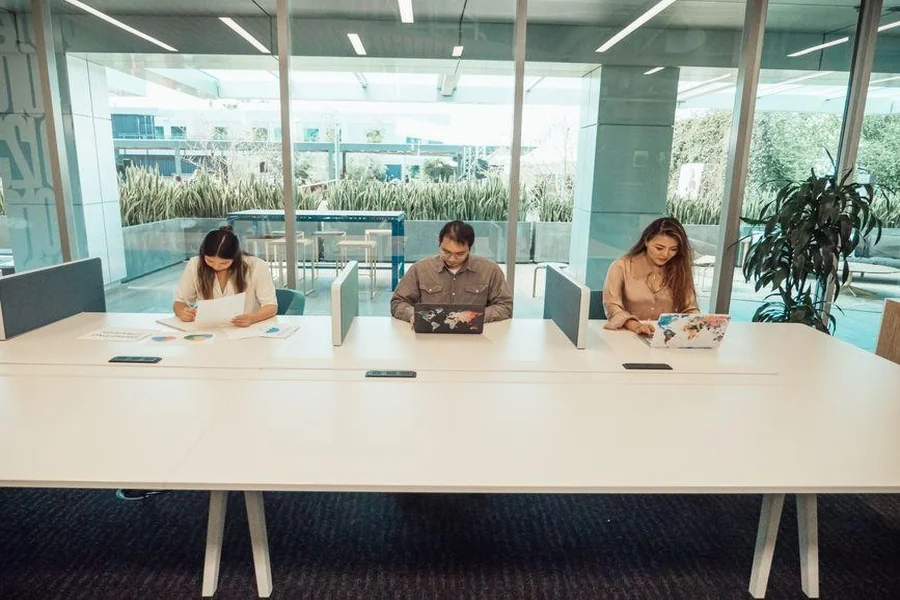
In today’s rapidly evolving business landscape, the concept of the traditional office is transforming. The emergence of coworking spaces is redefining how people work, offering a flexible and community-driven alternative to conventional office environments. A coworking space provides shared facilities and services, allowing individuals from diverse backgrounds to work alongside each other in a supportive and collaborative atmosphere.
Evolution of Workplaces
Over the past decade, the way people approach work has changed dramatically. The technological revolution has enabled remote work and digital collaboration, prompting both startups and established companies to seek more flexible work solutions. The coworking movement began in the mid-2000s as a response to the evolving needs of professionals who required more than just a desk and chair.
These spaces go beyond the limitations of isolated home offices by offering networking opportunities and a sense of community. They also provide an economical option for freelancers, entrepreneurs, and small businesses that do not want to commit to long-term leases or high overhead costs associated with traditional office spaces.
The Culture of Coworking Spaces
At the heart of coworking spaces is a culture that prioritises collaboration, creativity, and shared growth. Individuals from various industries and disciplines work in proximity, often leading to spontaneous collaboration and the exchange of ideas. This diversity of talent fosters innovation and encourages creative problem-solving.
Many coworking spaces offer events, workshops, and professional development opportunities to enhance this collaborative culture. These activities can include guest speaker sessions, skill-sharing workshops, and networking events that enable members to establish valuable professional connections.
Design and Amenities
The design of coworking spaces is a crucial component of their appeal. Unlike traditional offices with cubicles and rigid layouts, these spaces usually feature open-plan designs, comfortable communal areas, and private meeting rooms. Many also provide state-of-the-art technology, such as high-speed internet and advanced audiovisual equipment, which supports a productive work environment.
Additionally, some coworking spaces cater to specific professional fields or offer unique amenities like on-site cafes, fitness centres, or childcare facilities. This diversity in offerings ensures that these environments can accommodate the varied needs and preferences of their members.
Impact on Work-Life Balance
One of the significant advantages of coworking spaces is their impact on work-life balance. The flexibility of these environments allows professionals to choose when and where they work, encouraging a healthier work-life integration. This flexibility also helps reduce the stress and burnout frequently reported in traditional office settings.
Moreover, the social aspect of coworking spaces can combat the isolation often experienced by remote workers. Members have the autonomy to engage in social interactions while also having the option to retreat and focus on individual tasks. This balance can lead to improved job satisfaction and overall well-being.
Economic Benefits
Coworking spaces present several economic benefits, both for individuals and the local economy. For freelancers and small businesses, they offer a cost-effective solution that provides professional facilities without the need for long-term financial commitments. This affordability can significantly lower the entry barrier for startups and independent entrepreneurs.
Additionally, coworking spaces can contribute to the economic development of a region by attracting a diverse range of businesses and talent. Creating hubs of innovation and entrepreneurship can stimulate local economies and foster the growth of new industries.
The Role of Technology
Technology plays an integral role in the success of coworking spaces. Advanced digital platforms enable seamless collaboration and communication among members, both locally and globally. Cloud-based tools, project management software, and virtual meeting applications support a high degree of flexibility and efficiency.
Furthermore, many coworking spaces utilise technology to manage their operations, such as booking systems for meeting rooms or IoT devices for workspace management. This integration of technology ensures that these spaces remain at the cutting edge, attracting tech-savvy professionals who require state-of-the-art facilities.
Environmental Considerations
Sustainability is an increasingly important factor in contemporary workspaces, and many coworking environments are leading the way in this regard. From energy-efficient design to sustainable materials, these spaces often prioritise environmental considerations. The shared nature of the facilities further reduces resource consumption compared to traditional office setups.
In addition, events and initiatives focused on sustainability, such as recycling programs or zero-waste challenges, are common in these communities, reinforcing their commitment to environmental responsibility.
Adaptability in a Changing World
The adaptability of coworking spaces makes them well-suited to meet the demands of a changing world. The global shifts brought on by events like pandemics and economic fluctuations have tested traditional work models. Coworking spaces have demonstrated resilience by modifying their operations to accommodate public health guidelines and shifting economic landscapes.
Their ability to provide flexible, scalable solutions for businesses and individuals will likely drive continued growth and innovation in this sector. The capacity to quickly adapt to changing requirements is a key advantage that these spaces offer, making them a prominent feature of the future workplace landscape.
Challenges and Considerations
While coworking spaces offer numerous benefits, there are challenges and considerations to keep in mind. The dynamic and open nature of these environments may not suit everyone, especially those who require quiet, private settings for concentration. Additionally, as the market becomes more saturated, maintaining a unique identity and community feel becomes crucial for individual spaces.
Security and privacy also remain concerns, as the shared nature of coworking spaces can pose risks related to data protection and confidentiality. Operators need to implement robust security measures to protect members’ information and ensure a secure working environment.

The Future of Work
As we look toward the future of work, the role of coworking spaces is likely to expand further. Driven by technological advancements, changing workforce demographics, and evolving professional expectations, these spaces will continue to reshape how we perceive and undertake work. The ability to offer a blend of flexibility, community, and innovation positions coworking as a key player in the modern work ecosystem.