Key Takeaways
- A consistent maintenance routine helps identify problems before they interrupt a day on the water.
- Pre-launch inspections, post-trip cleanup, and proper storage all protect different parts of the boat.
- Safety gear, batteries, fuel systems, and trailers need regular attention alongside the engine and hull.
- Your owner’s manuals remain the best source for model-specific service intervals and approved products.
Boat ownership is more enjoyable when basic care becomes part of the routine rather than a last-minute task. From simple visual inspections to scheduled boats repair support for issues beyond a do-it-yourself check, a written checklist can help keep maintenance organized throughout the 2026 boating season.
Why Routine Maintenance Matters
Small concerns are generally easier to address when they are noticed early. A loose cable, damaged tie-down strap, water in a compartment, or fuel odor deserves attention before it becomes a larger problem. Keep a service log with dates, engine hours, parts replaced, and notes about warning lights, handling changes, or unusual sounds.
Maintenance needs differ by hull material, engine type, storage conditions, climate, and whether the boat is used in fresh or salt water. New owners can use a basic boat maintenance checklist to build habits around batteries, oil, fuel, and routine inspections, and then adapt it to their vessel.
For owners comparing options before the season starts, reviewing available boats for sale in Missouri can also be a useful reminder to compare layouts, propulsion systems, towing requirements, and maintenance expectations before choosing a boat.
Table Of Contents
- Why Routine Maintenance Matters
- What To Check Before Launching
- Engine And Fuel System Checks
- Battery And Electrical System Checks
- Hull, Deck, Interior, And Trailer Care
- After Each Outing And Seasonal Storage
- When To Call A Marine Professional
What To Check Before Launching
Inspect The Hull And Safety Equipment
Walk around the boat before launch. Look for cracks, deep scratches, loose hardware, damaged seals, and impact marks on the hull. Confirm that drain plugs are installed when needed, through-hull fittings appear secure, and scuppers and deck drains are free of debris. Check trim tabs, transducers, and other underwater hardware for visible damage.
- Make sure there is a properly sized life jacket for each person aboard.
- Inspect fire extinguishers, navigation lights, sound-producing devices, first-aid supplies, and visual distress equipment required for your operating area.
- Replace equipment that is damaged, expired, or waterlogged.
- Share a float plan and emergency contacts with someone on shore.
Engine And Fuel System Checks
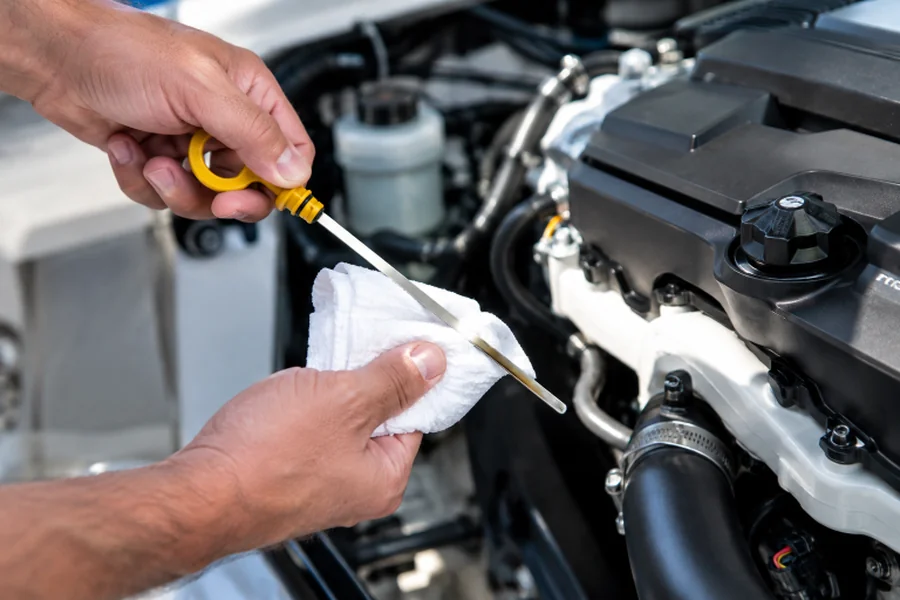
Check engine oil and other fluids using the procedure in the owner’s manual. Inspect visible belts, hoses, clamps, wiring, and connections for leaks, cracks, corrosion, or looseness. Examine the propeller for dents and fishing line, and verify normal cooling water discharge after starting the engine, when applicable.
Inspect fuel lines, the fill cap, tank vent, and fuel-water separator for signs of leakage or wear. Use only the fuel and additives approved for the engine, and replace filters according to the manufacturer’s schedule. Both calendar time and engine hours may affect when service is due, especially after periods of limited use.
Battery And Electrical System Checks
Inspect battery cases for cracks, swelling, or leaks. Clean corrosion from the terminals, ensure cable connections are tight, and confirm the batteries are secured in their trays or boxes. Test the charge before a longer trip, then operate navigation lights, bilge pumps, gauges, switches, and electronics.
A battery may have enough remaining power to run small electronics but still lack the starting power needed to crank an engine. If starting becomes slow or inconsistent, do not assume the battery is the only cause. Loose cables, corroded terminals, charging-system problems, and poor connections can produce similar symptoms.
Hull, Deck, Interior, And Trailer Care
Clean And Dry The Boat
Rinse away dirt, algae, salt, and hard-water residue as conditions require. Use cleaners intended for fiberglass, aluminum, vinyl, glass, and other boat surfaces. Dry seats, cushions, flooring, and compartments after use, and look beneath cushions or inside lockers for trapped moisture and mildew.
Inspect The Trailer Before Towing
Check tire pressure, tread, sidewalls, wheel bearings, lights, hitch components, safety chains, coupler, winch strap, bunks, rollers, and tie-downs. Confirm that the boat sits evenly on the trailer and that the loaded trailer stays within the tow vehicle’s rated capacity. A five-minute inspection can reveal a low tire or worn strap before a highway trip.
After Each Outing And Seasonal Storage
After boating, remove the drain plug when appropriate for the boat’s storage situation, rinse the boat and trailer when needed, and inspect the hull, propeller, and lower unit for new damage. Wipe down wet surfaces, open compartments to improve airflow, and check the bilge for any unusual water, fuel, oil, or odors. Record anything that needs follow-up.
Before extended storage, follow the manufacturer’s winterizing instructions. This may include changing fluids and filters when due, stabilizing fuel, maintaining batteries as directed, draining systems that could freeze, and cleaning the interior before covering the boat. During storage, periodically check for standing water, pests, moisture, and mold.
When To Call A Marine Professional
Seek qualified help if the boat overheats, loses power, takes on unexplained water, develops a fuel or electrical issue, or has stiff, loose, or uneven steering. Structural hull damage and repairs requiring specialized diagnostics also deserve professional attention. For current notices involving hazards, recalls, and recreational-boating requirements, review the U.S. Coast Guard’s boating safety circulars before heading out.
Final 2026 Maintenance Checklist
- Inspect the hull, drain plugs, propeller, and visible hardware.
- Check fluid levels, fuel-system components, batteries, and electrical equipment.
- Review life jackets and other safety equipment before passengers arrive.
- Clean and dry the boat after use, then inspect the trailer before towing.
- Log service dates and follow the manufacturer’s maintenance schedule.
Conclusion
Keeping a boat reliable throughout the 2026 boating season starts with consistent inspections and timely maintenance. Check the hull, engine, fuel system, batteries, safety equipment, and trailer before heading out, then clean, dry, and inspect the boat after each trip. Follow the manufacturer’s service schedule and seek professional help when problems involve critical systems or require specialized repairs. With an organized maintenance routine and support from qualified marine technicians when needed, you can reduce avoidable breakdowns and spend more time enjoying the water.