Swimming is an important life skill for children, particularly in Singapore, where pools, water-based activities and family holidays by the sea are part of everyday life. A quality swim school in Singapore can provide structured guidance that helps children become more comfortable in the water while developing essential swimming techniques. Cost of Kids Swimming Lessons in Singapore (2026) – Guide by Isplash Swim School.
Why Swimming Lessons Matter for Children
Learning to swim offers benefits that extend beyond being able to move through water. Swimming encourages children to develop coordination, balance, strength and cardiovascular fitness while giving them an enjoyable way to stay active. Regular swimming can also support confidence as children gradually overcome challenges and learn new techniques.
Water safety is another important reason for children to learn swimming. Although swimming lessons can improve water competency, they should never replace close adult supervision around pools, beaches or other bodies of water. Structured programmes can nevertheless help children understand safer behaviours, practise controlled movements and become more confident when responding to different situations in the water.
Choosing the Right Swim School in Singapore
Parents have many options when searching for swimming lessons in Singapore, so choosing a suitable programme requires consideration of the child’s age, ability and personality. A programme designed for a confident school-age swimmer may not be appropriate for a nervous toddler who is still becoming familiar with water.
A good swim school should offer an organised learning pathway that allows children to progress gradually. Beginners may start with water confidence, floating and basic kicking before moving towards breathing techniques and recognised swimming strokes. More advanced swimmers can then work on technique, endurance, water safety and performance.
The learning environment also matters. Children tend to respond better when lessons are encouraging, patient and appropriately challenging. A supportive instructor can help a hesitant swimmer develop trust while ensuring that a more confident child continues to learn rather than becoming bored.
Swimming Lessons for Different Age Groups
There is no single age that is perfect for every child to begin swimming lessons. Babies and toddlers can participate in supervised water familiarisation with their parents, while structured independent classes are generally more suitable once children can follow simple instructions and remain engaged during a lesson. Some Singapore programmes introduce formal lessons from around three or four years old, depending on the child’s readiness.
For preschool children, kids’ swimming lessons in Singapore often focus on water confidence, floating, kicking, breathing and safe movement. The objective is to make the water feel familiar while introducing fundamental skills in an enjoyable setting.
School-age children can progress towards more developed swimming techniques. Lessons may cover freestyle, backstroke, breaststroke and eventually butterfly, alongside endurance and water safety skills. Children who demonstrate a strong interest in swimming may later explore recreational or competitive pathways.
Group Swimming Classes or Private Lessons?
Parents often wonder whether group or private swimming lessons are better. Both formats can be effective, but the right choice depends on the child’s needs.
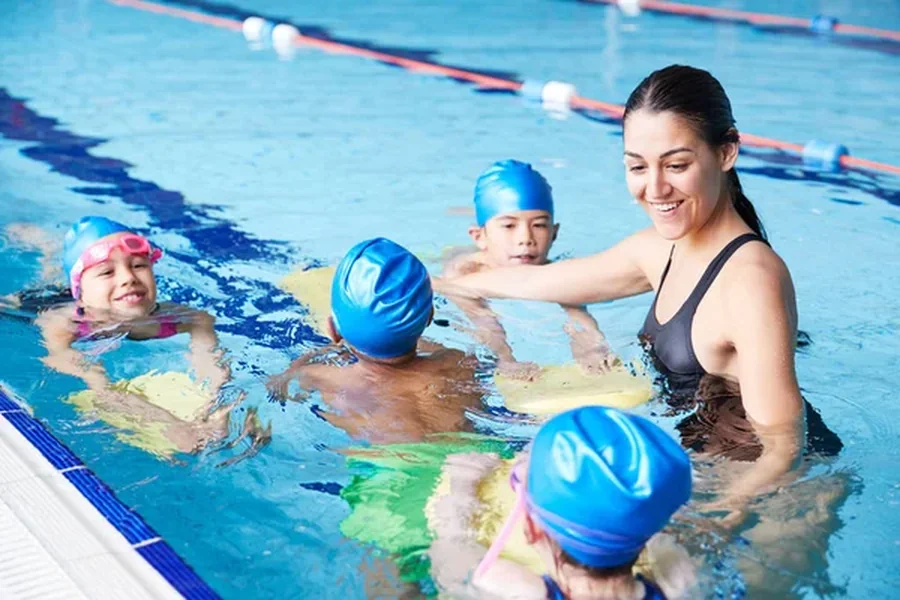
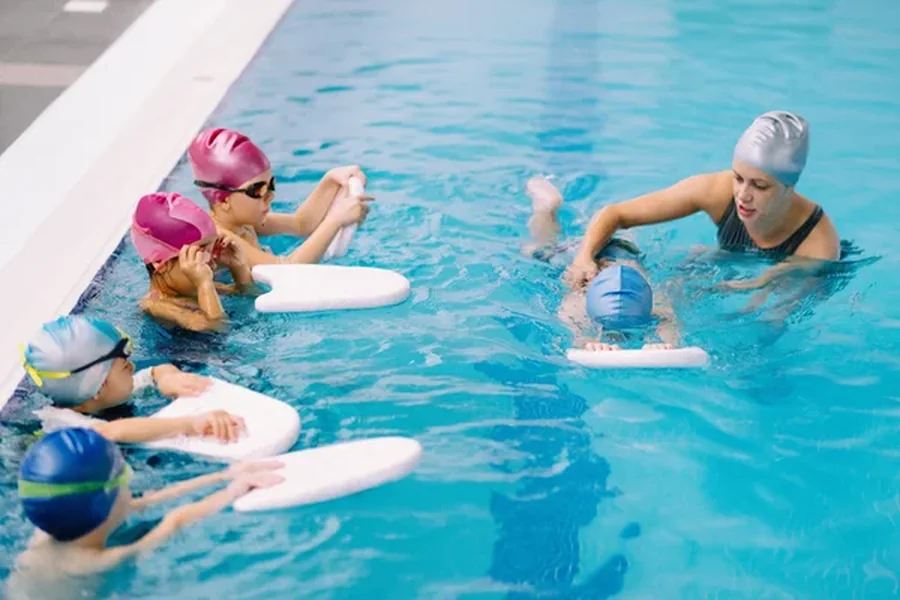
Group swimming classes can provide a social and enjoyable learning environment. Children can observe their classmates, practise alongside peers and become accustomed to following instructions within a group. Smaller groups may also allow instructors to provide more individual attention while retaining the social benefits of learning together.
Private swimming lessons offer more personalised instruction. The instructor can adjust the pace according to the child’s ability and spend additional time addressing specific challenges. This can be especially helpful for children who are nervous around water, need additional encouragement or want to improve a particular swimming stroke.
Parents should therefore consider their child’s temperament, goals, preferred learning style and schedule rather than assuming one format is universally better.
What Children Can Learn at a Swim School
A comprehensive learn-to-swim programme in Singapore should introduce skills progressively rather than expecting children to master everything at once. Early lessons may focus on entering the water safely, floating, kicking and becoming comfortable with putting the face in the water.
As confidence develops, children can work on breathing control, body position and coordinated arm and leg movements. Stroke development can then become a greater focus, helping swimmers improve efficiency and technique.
Water safety should remain part of the learning journey. Singapore’s SwimSafer programme, for example, uses progressive stages that combine swimming proficiency with water safety knowledge.
The Importance of Qualified and Supportive Instructors
The instructor can have a major influence on a child’s swimming experience. Young swimmers often need clear explanations, demonstrations and positive reinforcement rather than pressure to perform.
A capable instructor should understand that children develop at different speeds. Some may quickly become comfortable underwater, while others require more time before they are willing to float independently. Patient instruction can help children build confidence without creating unnecessary anxiety.
Parents can also ask about instructor experience, class size, lesson structure and progression methods before enrolling. These details can provide a better understanding of whether a swim school Singapore programme is suitable for their child.
Indoor and Outdoor Swimming Lessons
Singapore’s tropical climate makes swimming possible throughout much of the year, but weather conditions can still affect outdoor lessons. Heavy rain and thunderstorms may interrupt classes, making scheduling an important consideration for busy families.
Indoor or sheltered swimming facilities can provide greater consistency, particularly for younger children. Heated pools may also make lessons more comfortable for toddlers and beginners who are sensitive to cooler water.
However, the facility itself should not be the only consideration. Parents should also look at water cleanliness, accessibility, changing facilities, class size and the overall learning environment.
Building Progress Through Consistency
Children usually benefit from attending swimming lessons consistently. Regular practice gives them opportunities to reinforce movements and gradually turn newly learned techniques into familiar skills.
Progress will vary from one child to another. Some children may quickly become comfortable with floating and basic strokes, while others may need more time to overcome hesitation. Comparing one child’s progress with another can create unnecessary pressure.
Parents can support development by making swimming enjoyable outside formal lessons as well. Supervised family pool sessions can provide additional opportunities for children to practise familiar skills and become more comfortable in the water.
Swimming as a Lifelong Skill
One of the greatest advantages of swimming is that it can remain useful throughout a person’s life. Children who develop strong foundations can continue swimming for fitness, recreation, holidays or competitive sport as they grow older.
Swimming also creates opportunities for children to participate in water-based activities with greater confidence. From family pool days to beach holidays and school activities, stronger swimming ability can make aquatic experiences more enjoyable while supporting better awareness of water safety.
Conclusion
Choosing the right swim school in Singapore can give children a positive foundation for developing swimming ability, confidence and water awareness. The best programme should match the child’s age, ability and personality while offering progressive instruction in a supportive environment. Whether parents choose group swimming classes, private coaching or a structured learn-to-swim programme, consistency and encouragement remain important. With the right guidance, children can develop swimming skills that support their physical development, confidence, enjoyment and safety both in Singapore and beyond.