

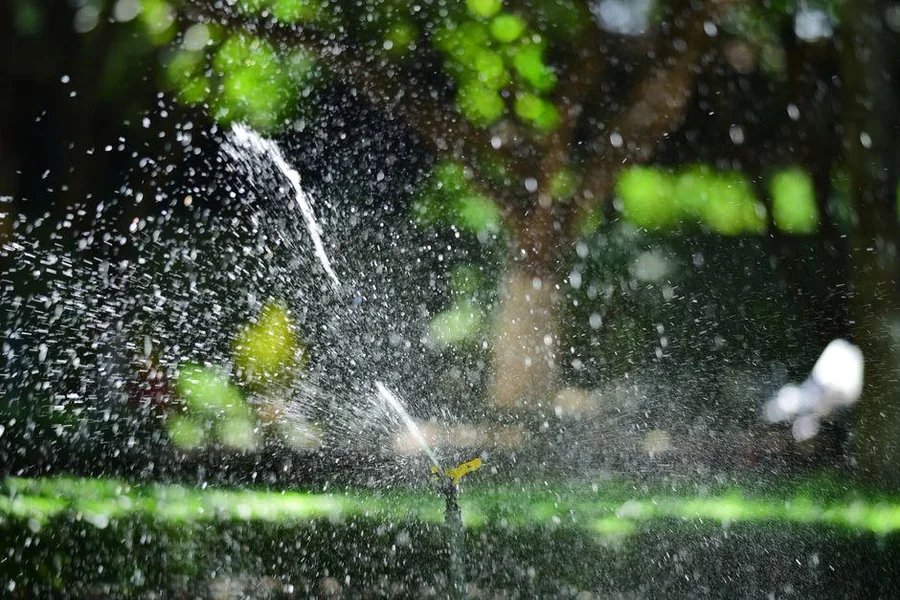
If you live in Bee Ridge, you already know Florida lawns don’t exactly survive on good intentions. Heat, sandy soil, fast-growing grass, and sudden downpours can make watering feel weirdly complicated. A sprinkler system helps, but only when it’s working the way it should. If yours is sputtering, leaking, or watering the sidewalk like it pays rent there, it’s time to take a closer look.
Why Bee Ridge yards put extra stress on irrigation systems
Bee Ridge lawns deal with a mix of conditions that can be rough on irrigation equipment. Intense sun dries soil quickly, while frequent rain can trick you into thinking your system is doing fine when certain zones are quietly underperforming. Add sandy soil to the mix, and water can drain fast before roots get what they need.
Tree roots can also shift underground lines over time. Mowers and foot traffic often damage exposed sprinkler heads. Even normal wear matters more in a climate where systems run often for much of the year.
If you’re dealing with recurring dry spots or soggy areas, getting sprinkler repair in Bee Ridge can help you fix the actual problem instead of just watering longer and hoping for the best. That approach usually wastes water and still leaves the lawn looking stressed.
What a failing sprinkler system usually looks like
Most sprinkler problems don’t start with a dramatic breakdown. They show up as small annoyances that are easy to ignore for a while. Maybe one patch of grass looks crunchy while another feels swampy. Maybe a sprinkler head never pops up, or one shoots water in a sad little arc like it’s given up.
You might also notice:
– Water pooling near one zone
– A sudden jump in your water bill
– Heads spraying the driveway instead of the lawn
– Uneven plant growth around beds and trees
– Low pressure in one part of the system
These issues often point to clogged nozzles, broken heads, valve trouble, pipe leaks, or controller mistakes. Sprinkler systems are simple in theory, but they’re full of moving parts. One weak link can throw off the whole watering schedule.
The cost of ignoring small irrigation issues
A minor sprinkler issue can quietly turn into an expensive one. A cracked head or hidden leak might not seem urgent at first, but wasted water adds up fast. Overwatered grass becomes vulnerable to fungus, shallow roots, and pest problems. Underwatered sections can thin out, discolor, and eventually need reseeding or replacement.
Then there’s the hardscape damage. Constant overspray onto fencing, walkways, or your home’s foundation isn’t great. Saturated soil near structures can create problems you definitely don’t want on your weekend to-do list.
There’s also a practical point here: your irrigation system is supposed to save time. If you’re dragging hoses around because one zone stopped working properly, the setup is no longer doing its job. Repairs tend to be cheaper and easier when handled early, before multiple parts start failing together.
Common repairs professionals handle better than DIY
A lot of homeowners are comfortable replacing a visible sprinkler head, and sometimes that works out fine. The trouble starts when the issue isn’t obvious. Low pressure might come from a valve problem, a line leak, or a bad connection underground. Dig in the wrong place, and your quick fix becomes a backyard archaeology project.
Professionals usually handle problems such as:
– Broken or misaligned sprinkler heads
– Leaking lateral lines
– Faulty solenoid valves
– Controller and timer malfunctions
– Clogged nozzles and filters
– Coverage and pressure balancing
They can also check whether your zones are matched correctly for grass, shrubs, and beds. That matters more than people think. Turf and landscaping often need different watering patterns, and one-size-fits-all irrigation tends to do a mediocre job for both.
How to tell whether your system needs repair or adjustment
Not every sprinkler problem means something is broken. Sometimes the hardware is fine, but the setup is inefficient. If your system runs during rain, starts at odd times, or waters shaded areas the same way it waters full-sun grass, you may need calibration more than replacement parts.
A repair is more likely when you see physical damage, water loss, or zones that fail to activate properly. An adjustment is often enough when the issue involves spray direction, timing, seasonal changes, or coverage overlap.
A good inspection looks at both. It should include the controller, heads, valves, pressure, and watering pattern across the yard. That full-system view matters because irrigation problems rarely stay neatly in one category. A damaged head can affect pressure elsewhere, and a bad schedule can make a healthy system perform badly.
What you should expect from a strong repair visit
A proper sprinkler repair appointment shouldn’t feel rushed or vague. You want someone who checks the full system, explains what’s going wrong, and points out whether the issue is isolated or part of a larger pattern. If a technician only swaps one obvious part without testing the zone, that’s not much of a diagnosis.
During a strong visit, you should expect:
– A zone-by-zone system check
– Inspection of heads, valves, lines, and controller settings
– Clear explanation of leaks, pressure issues, or damaged parts
– Recommendations based on your yard layout
– Practical advice on watering efficiency
You’re not just paying for a replacement nozzle. You’re paying for a system that waters evenly, wastes less, and stops making your lawn look like it has commitment issues. That broader view is what separates real repair work from a temporary patch.
How better irrigation supports a healthier landscape long term
When your sprinkler system works well, your whole yard benefits. Grass grows more evenly, plants establish stronger roots, and you use less water doing it. That last part matters financially, but it also matters in areas where water efficiency is becoming a bigger concern every year.
Healthy irrigation supports curb appeal, protects your landscaping investment, and reduces maintenance headaches. You’re less likely to battle persistent brown spots, runoff, mildew, or plant stress. It also makes seasonal lawn care more predictable, since you’re not constantly adjusting for hidden sprinkler problems.
If your system hasn’t been checked in a while, a repair visit can double as a performance reset. You get a clearer picture of what your yard actually needs, not what the timer has been blindly doing all season. That’s a better setup for your lawn, your budget, and your sanity.