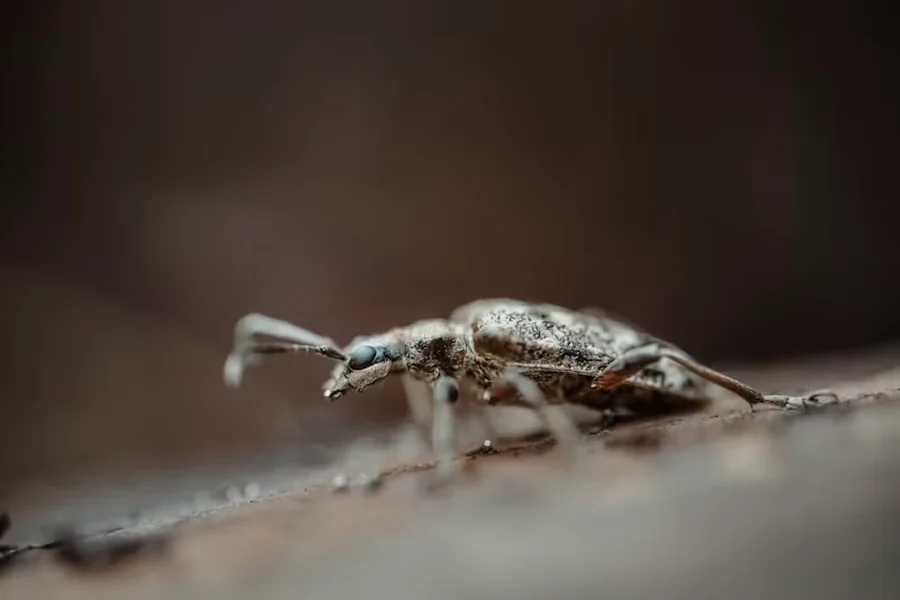
While many homeowners might not give much thought to the small, often unseen inhabitants of their homes, termites remain one of the most significant threats to residential structures. These tiny but mighty insects are responsible for massive structural damage worldwide, leading many to seek effective ant and termites treatment. For residents dealing with these silent destroyers, finding a reliable solution becomes imperative.
Understanding the Threat of Termites
Termites typically thrive in tropical climates, which provide the warm and humid conditions they need to flourish. These conditions also make certain urban locales particularly susceptible to infestations. Known for their insatiable appetite for wood, termites can cause extensive structural damage to buildings, often going unnoticed until the damage becomes severe. This makes early detection crucial.
There are primarily two types of termites that are common in domestic settings: subterranean termites and drywood termites. Subterranean termites are notorious for creating elaborate tunnels in search of food, while drywood termites tend to inhabit the wood they consume. Both types, however, pose significant challenges for pest control professionals aiming to protect properties from their destructive habits.
Innovative Technologies in Termite Detection
The advancements in technology have paved the way for more efficient and effective detection methods in combating termite infestations. Infrared technology, for example, allows pest control specialists to identify termite activity behind walls without causing unnecessary damage. Also, acoustic detection devices have been developed to pick up the sounds of termites as they gnaw through wood. These non-invasive techniques are invaluable for early detection, potentially saving thousands in repair costs.
Moreover, chemical detection and barriers remain pivotal in the prevention of termite infestations. By employing advanced substances that are both environmentally friendly and highly effective, pest control services can establish unbreachable barriers, preventing termites from establishing a foothold within properties.
The Role of Natural Predators and Biological Control
Biological control methods are gaining traction as a viable alternative to traditional chemical treatments. By introducing natural predators such as ants and certain beetles into infested areas, the termite population can be significantly reduced. This method leverages the natural food chain and reduces the need for chemical interventions, thus promoting a more balanced ecosystem.
Moreover, researchers are exploring the potential of entomopathogenic fungi as a biological control method. These fungi can infect and kill termites, offering a promising avenue for their management. Such biological approaches not only target termites directly but also provide a sustainable, long-term solution that causes minimal disruption to the environment.
Environmental Concerns and Eco-Friendly Solutions
Environmental sustainability is a rising concern in pest management practices. Traditional approaches often relied on harsh chemicals, which, while effective, posed various environmental and health risks. Today, there is a noticeable shift towards eco-friendly alternatives. Pest control professionals are increasingly adopting integrated pest management (IPM) methodologies that combine multiple strategies to mitigate termite infestations without adverse effects.
These strategies include preventive measures such as maintaining a dry environment, proper ventilation, and regular inspections to ensure early detection and management. Additionally, baiting systems offer a less harmful alternative by using low-toxic materials that specifically target termites and reduce collateral damage to other insect species.
Professional Pest Control Services
Termite control and prevention are best handled by professionals who have the expertise and tools necessary to deal with these resilient pests. There are various specialised services available to tackle different stages and types of termite infestations. Comprehensive termite inspections are fundamental for devising targeted action plans to effectively eradicate and control termite populations.
Industry experts employ a mix of modern technology and conventional wisdom to deliver tailored solutions that meet the unique needs of each property. These services not only focus on immediate control measures but also provide ongoing monitoring to prevent future infestations.

Limitations and Challenges in Termite Management
Despite numerous advancements in termite management, challenges remain. The complexity of termite colonies and their ability to adapt to varying conditions make them particularly challenging to eradicate. Also, the need for ongoing monitoring and maintenance can complicate long-term management strategies.
Additionally, while certain eco-friendly solutions have shown promise, they may require longer timeframes to achieve the desired results when compared to chemical treatments. This calls for patience and a comprehensive understanding of the pest management process among property owners and service providers alike.
Embracing the Future of Termite Management
Looking ahead, the future of termite management is set to embrace even more innovative and sustainable practices. The ongoing research and development in pest control technologies continue to push the boundaries, ensuring that termite treatments become more efficient, safer, and environmentally responsible.
With the combination of advanced detection methods, biological controls, and professional services, the path forward promises a more effective and eco-conscious approach to managing termites. As the industry evolves, property owners can look forward to solutions that offer greater peace of mind in safeguarding their homes from these pervasive pests.
In conclusion, understanding the complexity of termite behaviour and the various control methods available is fundamental to developing long-term strategies that protect both properties and the environment. The diverse array of tools and methodologies continues to evolve, highlighting the crucial role of professionals in navigating this challenging landscape. By staying informed and proactive, homeowners can more effectively manage termites, ensuring the integrity and safety of their properties.

Hi, I’m Emily Grace, a blogger with over 4 years of experience in sharing thoughts about blessings, prayers, and mindful living. I love writing words that inspire peace, faith, and positivity in everyday life.