
Choosing a wig is not only about finding a beautiful hairstyle. For many women, the real goal is to find a piece that feels comfortable, looks believable, and fits naturally into everyday life. A well-made wig should allow you to move, work, socialize, and enjoy your day without constantly thinking about whether the hair looks artificial or whether the construction feels uncomfortable.
If you are exploring natural wigs for women, it is useful to understand what actually creates a realistic result. Hair texture is important, but it is only one part of the equation. Density, hairline, lace, cap construction, movement, color, and proportions all influence how natural a wig appears.
You can explore different options through https://mellowdiamond.com/ , but before choosing a particular design, it is worth understanding the details that distinguish an attractive wig from one that genuinely becomes part of your appearance.
What Does a Natural-Looking Wig Really Mean?
A natural-looking wig does not necessarily have to imitate your existing hairstyle exactly. It can have a completely different length, texture, or color and still look realistic. The important thing is that the construction and styling create a believable relationship between the hair, scalp area, face, and overall silhouette.
Realism is often created through subtle details rather than one dramatic feature. Hair that is excessively dense, a perfectly uniform hairline, an unnatural part, or a cap that does not sit correctly can make even high-quality hair look less convincing.
By contrast, appropriate density, natural movement, realistic texture, and a comfortable fit can make a hairstyle appear much more integrated with the wearer.
Natural Hair Movement
Movement is one of the easiest visual characteristics to notice. Hair that moves naturally when you walk or turn your head generally creates a softer appearance than hair that looks rigid or excessively coated with styling products.
Human hair can be particularly useful for creating this effect because it can be styled and adjusted according to the desired appearance. Waves can be softened, straight hair can be given movement, and curls can be defined or separated depending on the look.
Balanced Hair Density
Density describes how much hair is used to create the overall fullness of the wig. Too little density may make a hairstyle appear sparse, while excessive density can make it look unusually heavy.
The right balance depends on the hairstyle. A short bob usually does not require the same visual fullness as a long curly style. Similarly, a sleek straight wig can look more realistic with controlled density, while voluminous curls may naturally require more hair to achieve their intended shape.
The Hairline Can Change the Entire Appearance
The front of a wig is one of the most noticeable areas because it is close to the face. A poorly designed or incorrectly positioned hairline can make the entire hairstyle look less natural even when the rest of the hair is excellent.
A realistic hairline should not necessarily look perfectly symmetrical. Natural hairlines contain subtle variations in direction, density, and texture. These small differences can make the transition between the wig and the face appear softer.
Why Texture Around the Hairline Matters
For women with naturally textured hair, the hair around the edges can have a very different appearance from long strands further away from the scalp. Incorporating appropriate texture into the hairline can therefore create a more convincing transition.
This is especially relevant when the goal is a natural everyday appearance rather than a highly styled editorial look. The closer the details are to the way real hair grows, the easier it can be for the wig to blend visually with the wearer.
Lace and the Illusion of a Natural Scalp
Lace construction influences how the wig sits around the forehead and how the parting area appears. Different constructions provide different levels of styling flexibility, but the most elaborate option is not automatically the best option for every woman.
The right construction should correspond to how you intend to wear the wig. If you prefer a simple everyday hairstyle, you may not need maximum parting freedom. If you frequently change your part or create different updos, additional flexibility may be more useful.
The appearance of the lace also matters. A good match between the lace, hairline, and surrounding skin can help create a more seamless visual effect. However, installation technique and positioning are equally important.
Comfort Should Be Treated as a Priority
A wig can look beautiful in photographs and still be uncomfortable to wear. Since many women use wigs for extended periods, comfort should be considered before making a purchase.
The cap should sit securely without creating excessive pressure. The weight of the hair should also be appropriate for the intended use. Extremely long or dense wigs can feel different from short, lightweight styles, particularly during warm weather.
Why the Correct Size Matters
A wig that is too tight can create pressure around the forehead, temples, or sides of the head. A wig that is too loose may shift when you move.
Measuring the head carefully before ordering can help reduce the chance of an unsuitable fit. When measurements are available, compare them with the manufacturer’s sizing information instead of relying only on general categories such as small, medium, or large.
Weight and Everyday Wear
Weight becomes more noticeable when a wig is worn for several hours. This is why a hairstyle that looks attractive for a short event may not necessarily be the most convenient choice for daily wear.
For everyday use, think about the activities you normally perform. If you work at a desk, commute, exercise, or spend a lot of time outdoors, comfort may be more important than maximum volume or length.
How to Create a Natural Finish Without Overstyling
One common mistake is assuming that more styling automatically creates a better result. In reality, excessive manipulation can make a wig appear less natural.
A simple hairstyle often benefits from minimal intervention. Allowing the texture to move naturally can create a softer appearance than repeatedly brushing, curling, straightening, and applying multiple products.
The same principle applies to volume. Hair does not need to be perfectly arranged from every angle. A small amount of variation can make the overall result appear more realistic.
Work With the Original Texture
If you have selected a wavy wig, maintaining its wave pattern may be easier than constantly converting it into a straight hairstyle. If you have chosen curls, preserving the natural curl structure can reduce manipulation and help maintain the intended appearance.
This does not mean that styling should be avoided. Human hair wigs can be versatile, but frequent transformations require additional care. Think of the original texture as the foundation of the hairstyle and make changes selectively.
Color and Realism
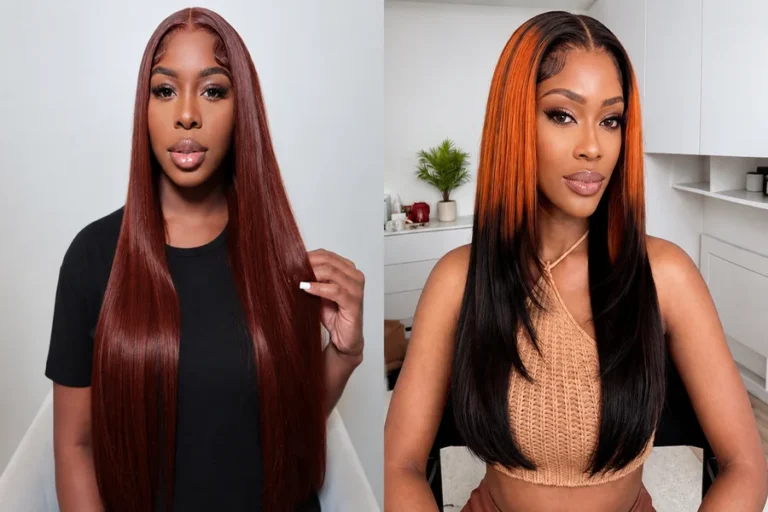
Color has a significant effect on how a wig interacts with the face. A natural-looking color does not necessarily mean choosing black or dark brown. Blonde, auburn, chocolate, highlighted, and other shades can look completely natural when the tone, placement, and density are balanced.
Subtle dimension can sometimes create a more realistic appearance than one completely uniform shade. Highlights, lowlights, and gentle variations can give the hair visual depth.
At the same time, dramatic colors can also be beautiful. The difference is that fashion-focused color and natural-looking color serve different purposes. When choosing between them, consider whether you want the wig to blend into your appearance or become the main statement of your look.
Natural Wigs for Different Daily Routines
There is no single definition of an ideal everyday wig. A woman working in an office may have different requirements from someone who works from home, travels frequently, attends events, or spends much of the day outdoors.
For Busy Workdays
A practical workday wig should be easy to maintain and comfortable for extended wear. Medium lengths, manageable textures, and uncomplicated silhouettes can reduce the amount of time needed for styling before work.
A polished appearance does not require excessive volume. A clean bob, soft waves, or a controlled straight style can look professional while remaining relatively easy to manage.
For Active Days
If your routine includes a lot of movement, consider stability and comfort. A wig that shifts easily can become distracting, while excessive weight may become uncomfortable during long days.
The goal is to find a construction that feels secure enough for normal activity without relying on constant adjustment.
For Social Events
Special occasions provide more room for experimentation. Longer lengths, larger curls, dramatic waves, or statement colors can create a stronger visual impact.
Because the wig may not be worn as frequently, you can choose a style that requires more styling than your everyday unit. This creates a useful distinction between practical hair and occasion hair.
Common Mistakes Women Make When Buying Wigs
Online wig shopping can be convenient, but attractive photographs can sometimes make it easy to overlook practical details. Several common mistakes can be avoided with a little preparation.
- Choosing a hairstyle only because it looks attractive on another person.
- Ignoring head measurements and assuming every cap will fit the same way.
- Selecting excessive density when a more natural result is preferred.
- Choosing a length without considering daily maintenance.
- Focusing on hair texture while ignoring the construction of the cap.
- Buying a style that does not work with the clothing and accessories already owned.
- Underestimating the importance of the hairline and parting area.
- Using too many styling products in an attempt to create a polished finish.
- Failing to consider how the wig will feel after several hours of wear.
A successful purchase should take the complete experience into account rather than focusing on a single photograph or trend.
How to Make a Wig Work With Your Existing Beauty Routine
A wig should ideally simplify your routine rather than create another demanding task. Think about the products you already use and the amount of time you normally spend on your hair.
If your natural routine is minimal, a highly demanding wig may not be the most practical choice. If you enjoy styling and experimenting, a versatile human hair unit can provide additional opportunities for creativity.
Accessories can also help integrate a wig into your existing routine. Simple earrings, headbands, scarves, glasses, or other accessories can change the overall impression without requiring major changes to the hair itself.
Why Versatility Adds Long-Term Value
A wig becomes more valuable when it can be adapted to different situations. This does not necessarily mean choosing the most complex construction. It means selecting a style that gives you enough flexibility for the way you actually live.
A medium-length human hair wig, for example, may work with several parting positions and styling approaches. A longer unit may allow waves, curls, ponytails, or layered looks. A shorter style may require less maintenance while still offering a polished appearance.
When considering value, think beyond the initial price. Consider how often you will wear the wig, how easily it can be restyled, how much maintenance it requires, and whether it can remain useful as your preferences change.
Natural Wigs as a Form of Personal Expression
Wigs are sometimes discussed only in terms of practicality, but they can also be a powerful form of personal expression. Hair can communicate mood, confidence, creativity, elegance, professionalism, or playfulness.
Changing your hairstyle does not mean changing who you are. It simply gives you another visual tool for expressing yourself. One day you may want an understated look, while another day you may prefer dramatic curls or a completely different length.
This freedom can be particularly valuable for women who enjoy fashion and beauty but do not want permanent changes to their natural hair.
When to Choose a Ready-to-Wear Wig
Ready-to-wear wigs can be useful when convenience is a priority. They can reduce the amount of preparation required and make it easier to change your hairstyle without spending hours creating a finished look.
This can be especially useful for women who want a reliable option for busy mornings or unexpected plans. The key is to select a style that already has the desired shape and texture rather than expecting to completely redesign it after purchase.
When Customization May Be Worth Considering
Customization can become useful when standard proportions do not match your preferences. Head size, desired length, hairline details, density, and other characteristics can affect how a wig feels and looks.
A customized unit may also be attractive to women who have a very specific vision. Instead of compromising between several standard options, customization can make it possible to build a hairstyle around particular requirements.
However, customization should be based on a clear understanding of what you actually need. More options do not necessarily mean a better result if the additional features do not contribute to your preferred appearance or lifestyle.
How to Think About a Wig as an Investment
A quality wig should be evaluated according to how well it fits into your life rather than simply how impressive it looks when it first arrives. Frequent wear, appropriate maintenance, careful styling, and correct storage can all influence how useful a wig remains over time.
Choosing a timeless style can also increase versatility. Trends can be fun, but a classic shape may continue to work with different outfits and occasions for much longer.
This does not mean avoiding fashionable styles. Instead, consider combining timeless everyday pieces with one or two more expressive units. This creates variety without making the entire collection dependent on short-lived trends.
Final Thoughts
The most convincing natural wigs for women combine realistic appearance with comfort, movement, appropriate density, and practical construction. A beautiful texture is only the beginning. The details around the hairline, cap, lace, color, and fit can determine whether a wig genuinely feels like part of your appearance.
The best approach is to think about the complete experience before buying. Consider where you will wear the wig, how many hours you expect to keep it on, how much styling you enjoy, what textures you prefer, and which characteristics make you feel most confident.
When these factors are considered together, choosing a wig becomes much more intentional. Instead of purchasing a hairstyle simply because it is attractive, you can select a piece that supports your lifestyle, complements your appearance, and gives you the freedom to change your look whenever you want.