A lot of people are not sure if they should use mustache or moustache. Both spellings are associated with the same: upper lip hair. However, this is more important than people realize: which one to use and when.
If you want to avoid the spelling mistakes in professional writing, grooming content, and daily communication, then understanding mustache or moustache is vital. One spelling form is primarily found in American English. The other is from British English. Your writing can look sloppy if you choose the wrong one in the wrong place.
This guide clarifies how the two spellings differ and how to use them correctly. Here you will find examples, common errors, comparison tables, and tips to help you write confidently in any situation.
Define mustache
In American English, the term “mustache” is used to refer to hair on the upper lip. It is used in the United States and Canada in contexts such as writing about facial hair, grooming, or personal style. It is the most frequently used spelling in American newspapers, websites, and informal writing.
Furthermore, the mustache is used in popular culture, product names, and social media in North America. A thin pencil mustache or a full handlebar mustache; either way, this is how the American reader will see it.
Define Moustache
The British English spelling of the same word is “moustache.” It is used to describe the same upper lip hair, but with the spelling rules of the United Kingdom, Australia, Ireland, and other countries that follow British English.
Furthermore, a mustache has a bit more of a formal feel. It can be seen in British newspapers, grooming guides, and historical texts. It is derived from the French word “moustache,” and thus the “ou” spelling seems more traditional to some readers.
How To Properly Use The Words In A Sentence
Always check your audience if you are using mustache or moustache! In American English use, Mustache is correct and in British English contexts, moustache is correct. Spelling wrong words for your readers gives a sense of disorganization and lack of professionalism.
How To Use Mustache In A Sentence
When writing for an American English audience, you can use **mustache**. It is suitable for both casual and professional writing, such as blog posts, product labels, and news articles.
He shaved off his mustache before the work interview.
The barber used a straight razor to cut his mustache.
She put a fake mustache on her face for her costume party.
When written properly, you’ll communicate clearly and consistently to American readers with the help of a mustache. It’s the common form in the U.S. and an indication that you know your audience.
How To Use Moustache In A Sentence
Use Moustache for British or international English. It is seen in business correspondence, classics, and publications in other countries than North America.
Every morning he shaved his mustache before going to work.
The detective’s favorite features were his sharp mind and his mustache.
A new craze has swept London barbershops: growing a mustache.
Correct use of mustache demonstrates knowledge of the regional spelling conventions. It demonstrates respect for your reader’s usage of English and enhances the quality of your writing.
Read More: Privacy Policy
Mustache or Moustache: Quick Comparison Table
Mustache vs Moustache — Which One Is Right?
| Feature | Mustache | Moustache |
| Spelling origin | American English | British/French English |
| Common regions | USA, Canada | UK, Australia, Ireland |
| Formality level | Casual to professional | Slightly more formal |
| Usage in media | American publications, social media | British newspapers, grooming guides |
| Root language | Adapted from French | Closer to original French spelling |
| Example sentence | “He grew a thick mustache.” | “He grew a thick mustache.” |
| Correct for global writing? | It depends on the audience. | It depends on the audience. |
More Examples Of Mustache & Moustache Used In Sentences
The difference between mustache or moustache is clearly distinguishable from examples. These are both for reference to upper-lip hair, but it will depend on the audience, location, and the type of writing.
Examples Of Using Mustache In A Sentence
- He shaved his facial hair in November.
- In the previous picture, she saw her grandfather with a big mustache.
- She purchased a comb for her mustache at the local barbershop.
- After only 2 weeks, his mustache (upper lip) required cutting.
- The character is known for their slenderest of mustaches.
- Managing the appearance of the lip hair can make all the difference in the world.
- He ordered the barber to trim his mustache using a knife.
- A fake plastic **mustache** was included with the costume.
- People noticed his mustache first.
- The brand logo was a traditional mustache with curls.
Examples Of Using Moustache In A Sentence
- The colonel sported a big mustache that he made his signature.
- The portrait of the Victorian gentleman was neat with a nice mustache.
- He shaved off his beard and shaved a **mustache** and raised funds for charity.
- The actor’s mustache is so unique that it actually became a trademark for the actor.
- In the window of the London barber, a wax kit with a mustache was on display.
- Noblemen typically have a full mustache in the historical paintings.
- He cut his mustache well in advance of the formal dinner.
- In the detective novel, its protagonist was a man with a pointed mustache.
- She teased him with a post code for his mustache.
- The British grooming brand has just introduced a new oil for the mustache this spring.
Common Mistakes To Avoid
A lot of people get these two words mixed up—mustache or moustache. The most frequent error is using the wrong spelling of your audience. It just doesn’t mean that you spelled the word incorrectly. It means you don’t have the right regional variant.
Mistake #1: Using “Moustache” In American Writing
One of the most frequently misused words in American English content is “mustache.” For instance, an American lifestyle blog won’t look right if it reads, “He trimmed his mustache before the game. The spelling “mustache” is used by American readers.
However, do not use THEM BETWEEN the words! Use a mustache anytime you write for an American audience. This is to maintain uniformity of spelling with that used by Americans, who generally spell words more simply.
Before publishing check your target region at all times. “Mustache” is the correct spelling for American English. In British English, it is correct to use “moustache.” If they are used within the same text, then it reads out of step.
Mistake #2: Using “Mustache” In British Writing
The other frequently used error is the use of MUSTACHE in British English documents. In a UK newspaper, “He waxed his mustache at the barber” is interpreted as a spelling mistake in a British context. They hope to see Moustache.
Rule: Always keep in mind the context when deciding your spelling. Moustache is designed to suit British, Australian, and international English. “Mustache” is suitable for American and Canadian writing. When the usage is correct, it enhances the credibility of the content and helps readers to focus on what it has to say.
Tips For Avoiding These Mistakes
It is important to note that this can be easily confused with the word “mustache,” which is used by the British. Always check context, know your audience, and use the appropriate regional spelling to avoid confusion.
mustache or moustache: It’s important to know your audience.
– Use a style guide: AP Style (mustache), Oxford English (moustache).
Be consistent: Choose a spelling and use it for the whole piece.
Read More: 30 Simple Ways to Say “Have a Good Day” (Updated 2026)
Context matters
It is the context that determines the right spelling. “Moustache” is used in writing in American English. Moustache is a British English writer. The right word indicates that you’re trying to be understood and that your writing is important.
Mustache
Mustache is used in American content related to “grooming,” “fashion,” “pop culture,” and “daily life.” The common spelling used in the U.S. media and the one that is known by most U.S. readers without hesitation.
Plus, most American dictionaries use the spelling “mustache,” including Merriam-Webster’s. For work in AP Style, or for work geared toward a North American audience, the only time you should not use “mustache” is when your work is intended for a different audience.
Examples of “mustache” in various situations:
- A blog about grooming in America is consistently groomed with the use of a mustache.
- A U.S. party store offers fake mustache kits.
- On an American menu, they offer to trim your mustache.
Moustache
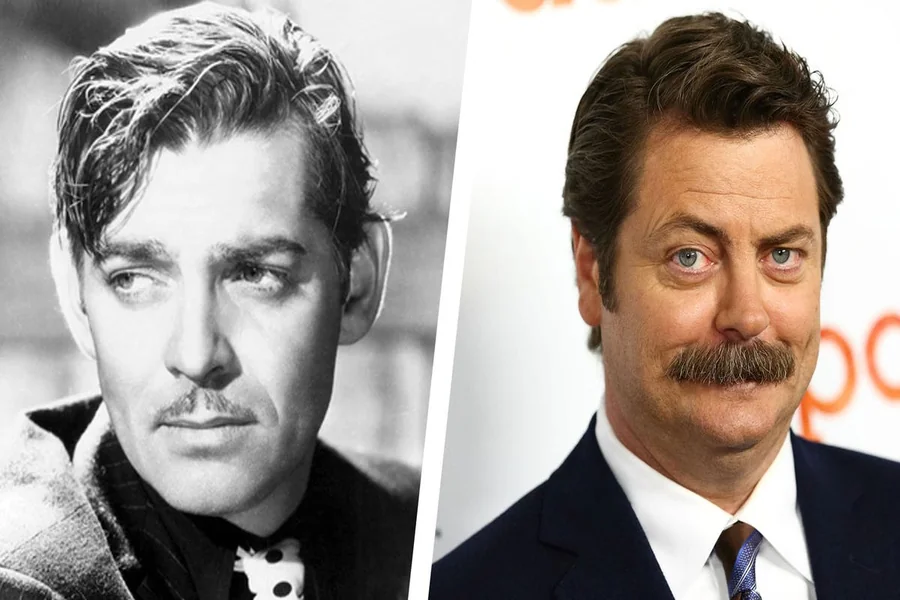
In British English, this beard is known as a mustache. It is found in guides for grooming in the UK, historical novels, British journalism, and English writing around the world.
Besides, “moustache” is more closely related to its French origin. The word was borrowed from French, and the British spelling retained the “ou” that is closer to its French origin than British English uses the “o.”
Examples of “moustache” in the following situations:
- The British brand of grooming products includes the word “moustache” in all its labels.
- A UK barbershop refers to its signature mustache wax service.
- The word “moustache” is used in a historical novel about Victorian London.
If you know the meaning of most of the words, you will not have any difficulties writing for British or international readers. Properly used, it ensures that your writing stays local and professional.
Exceptions To The Rules
The rules of the game for mustache or moustache are straightforward, but there are some exceptions. Sometimes brand names, historical references, and international publications have one spelling without respect to the regional spelling.
Mustache
Some global brands used the ‘mustache’ spelling even for non-American territories. It is not a spelling mistake and is intentional to be recognized and consistent with other spelling. Always use according to the brand’s instructions.
The vast majority of social media, emojis, and digital content are set to “mustache” as American English is the primary language used in digital publishing worldwide.
Moustache
In some particular cases, known outside Britain, Moustache is like a stranger.
The campaign, an international initiative for men’s health, is called Movember, and the mustache was used in the campaign’s materials, including in the U.S. market, where it was originally introduced in Australia.
When using British historical sources, classic literature, or formal documents, stick to the original spelling (moustache).
The exceptions you mention should be recognized for clear and accurate writing. When rules start to flex, understanding the rationale behind them gives you control of your content.
Read More: Challenge or Challange
People Also Ask
Quick-answer table for featured snippet targeting
| Question | Short Answer |
| Is it mustache or moustache? | Both are correct. “Mustache” is American English; “moustache” is British English. |
| Which spelling is more common? | “Mustache” is more common globally due to American English dominance online. |
| Is “moustache” a French word? | Yes. “Moustache” comes from the French word “moustache,” meaning upper lip hair. |
| What does “moustache” mean? | “Moustache” means hair grown above the upper lip, used in British English writing. |
| How do you spell “mustache” correctly? | Mustache (American) or moustache (British)—both are correct, depending on region. |
| Is mustache one word or two? | “Mustache” is one word. It refers to upper lip facial hair in American English. |
| Why do Americans spell it mustache? | American English simplified the spelling by removing the “ou” from the British form. |
Practice Exercises
Use practice activities to learn how to use the term mustache or moustache Fill-in-the-blanks, sentence writing, and multiple-choice exercises give you confidence in selecting the correct spelling for all audiences and writing situations.
Complete the information in the following blanks. Fill in the blanks below.
Complete the words using the correct spelling: Mustache or Moustache.
1. He grew a full __________ during the winter months. *(American English context)*
2. In a Victorian portrait, a man has a __________ curl. *(British English context)*
3. She purchased a novelty _________ at the costume party. *(U.S. party supplies site)*
4. During Movember, men try to grow a __________ in November.
In London, they had a complete __________ grooming package.
Answer Key:
1. mustache
2. moustache
3. mustache
4. moustache
5. moustache
Read More: 30 Simple Ways to Say I Look Forward to It
Exercise 2: Sentence Writing
Write a sentence using each spelling correctly.
| Spelling | Example Sentence |
| mustache | He decided to grow a mustache after seeing the trend on social media. |
| moustache | The British detective was rarely seen without his signature mustache. |
| mustache | The barber shaped his mustache into a neat style before the event. |
| moustache | She described the painting as showing a man with a thick, dark mustache. |
| mustache | He trimmed his mustache every morning as part of his daily routine. |
Read More: 30 Ways to Say “I Am Honored” With Examples
Exercise 3: Multiple Choice
Select the correct spelling of the word for each context.
When it comes to spelling, what is the correct spelling in the USA?
– A) Moustache
– B) **Mustache**
2. Writing for a UK lifestyle magazine, which spelling is correct?
– A) Mustache
– B) **Moustache**
What is the word to describe a person who lives above the upper lip?
Bothmustache or moustache are acceptable, depending on location.
Point B – Only Mustache is ever correct
4. What is the correct spelling of the word Movember?
– A) Mustache
– B) **Moustache**
Which spelling is the preferred one in American dictionaries?
– A) Moustache
– B) **Mustache**
Answer Key
1. Mustache
2. Moustache
3. Both are true dependent on locality
4. Moustache
5. Mustache
Final Thoughts
Knowing the difference between mustache or moustache is critical for anyone who writes for a variety of intended audiences. In American English, the word “mustache” is spelled correctly. The British English spelling of mustache or moustache They are both referring to beard hair that’s grown on the upper lip.
Fill-in-the-blanks, sentence writing, and multiple-choice quizzes will help you to develop awareness of regional spelling and apply these words correctly on every occasion. Keep in mind: context is everything—use “mustache” for American readers and “moustache” for British readers. Correct spelling indicates one’s awareness of his or her readers and concern for writing.
FAQs:
What is the difference between mustache or moustache?
The American spelling is “mustache.” The British English spelling is “moustache.” Both words refer to hair on the top lip.
When is it appropriate to use “mustache” in a sentence?
When writing for American/Canadian readers, or a blog, article, or product description, use mustache.
When to use “mustache” in a sentence?
Write for British, Australian, or international audiences that use British English spelling with moustache.
Is the word “moustache” a correct English word?
Yes. The conventional spelling is “moustache” in British English. It is not a spelling error. It’s just a variation that’s used for areas of the world other than North America.
What’s the difference between mustache or moustache?
You should verify the intended audience, adhere to the style guide associated with your target area and maintain uniformity in spelling in all parts of your piece of writing.

Hi, I’m Emily Grace, a blogger with over 4 years of experience in sharing thoughts about blessings, prayers, and mindful living. I love writing words that inspire peace, faith, and positivity in everyday life.