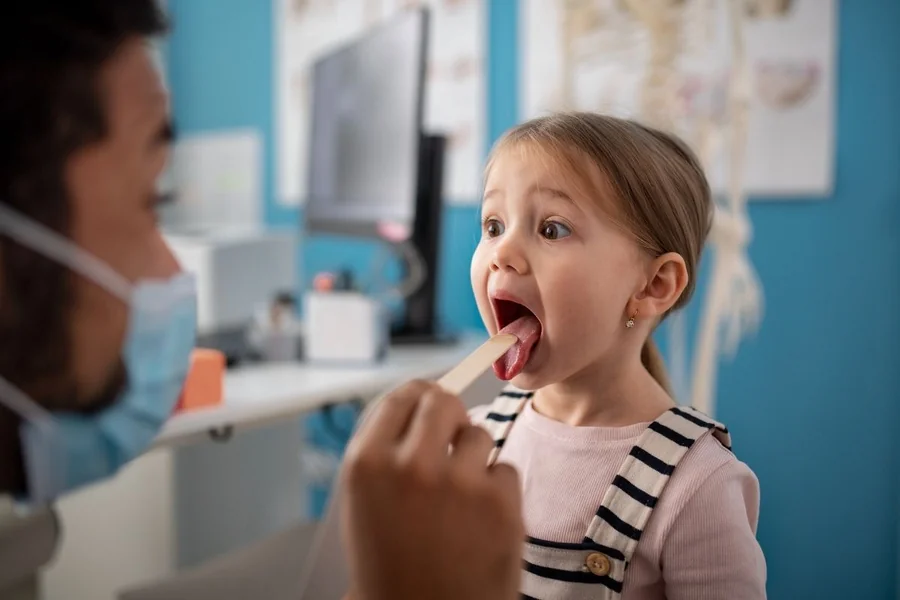
You notice the same sore spot again. Maybe it is the inside of your child’s cheek, maybe a swollen lower lip, maybe a complaint that “I bit it again” during dinner. After a while, it stops feeling like a random accident and starts feeling like a pattern. That is usually when the worry sets in. You wonder if it is stress, a bite problem, a habit, or something you missed. Seeking comprehensive dental care in San Antonio can help you understand what is causing it and what to do next.
Repeated lip or cheek biting can come from more than one cause. Some children bite the area by accident because their teeth do not meet evenly, new teeth are coming in, or they are still adjusting after dental work. Others do it when they are tired, anxious, distracted, or dealing with oral irritation. A family dentist helps sort out which of those is most likely, treats the sore tissue, and looks for the reason it keeps happening so the cycle can stop.
Repeated cheek and lip biting often has a clear cause
When a child keeps injuring the same area, the tissue becomes tender and swollen. That swelling makes it easier to bite again, which causes more swelling, and the problem can keep repeating for days or weeks. You may already be seeing this at home. Meals take longer. Crunchy foods sting. Toothbrushing becomes a fight because the sore spot hurts. What looked minor starts affecting sleep, mood, and eating.
Sometimes the cause is developmental. As the bite changes and permanent teeth erupt, the cheeks and lips can get caught more easily. The American Academy of Pediatric Dentistry explains that growth and tooth eruption can affect how the bite develops, which is why dentists watch for spacing, alignment, and jaw relationships over time. You can read more in the AAPD guidance on developing dentition and occlusion.
Sometimes the cause is behavioral. A child may chew the inside of the cheek while concentrating on homework or bite the lip during stress. In those cases, parents often feel stuck because reminders only work for a few minutes. If the tissue already feels rough or raised, your child may keep returning to it without even noticing.
A family dentist for cheek biting looks at the pattern from both angles. The exam is not only about the sore itself. It is also about where the teeth contact, whether sharp edges are present, whether orthodontic issues are contributing, and whether the injury looks accidental or habit-based.
Family dentistry helps parents separate home care from treatment needs
There is a real difference between a one-time bite and a recurring injury. A simple bite often improves with gentle rinsing, soft foods, and time. The advice for fresh lip or tongue injuries is fairly straightforward. HealthyChildren.org recommends basic first aid such as cleaning the area, applying pressure if bleeding continues, and using a cold compress for swelling. Their page on first aid for bites or cuts to a child’s tongue or lip is a helpful starting point.
Repeated biting is different because the source may still be there. If a child has a rough tooth edge, a filling that changed the bite, crowding, or a jaw habit, home care can soothe the tissue without stopping the injury. That is why parents often feel like they are doing everything right and still seeing the same sore come back.
Dental visits can also save families from spending money on short-term fixes that do not address the cause. Mouth sore gels, special rinses, and soft diet changes can help with comfort, but they will not correct a bite interference or identify a habit that needs support. A dentist can sometimes solve the issue with a small adjustment, smoothing an edge, monitoring eruption, or referring for orthodontic evaluation if the bite pattern points that way.
Home care and professional care serve different purposes
| Approach | What it helps with | Limits |
|---|---|---|
| Cold compress and pressure | Reduces swelling and helps control bleeding after a fresh bite | Does not prevent future biting |
| Soft foods and saltwater rinses | Improves comfort while tissue heals | Does not identify bite problems or habits |
| Watching for patterns at home | Helps you notice whether biting happens during meals, sleep, stress, or concentration | Observation alone cannot confirm tooth alignment issues |
| Family dentist exam | Checks teeth, soft tissue, eruption, restorations, and bite contact | May need follow-up if the cause is developmental and still changing |
| Orthodontic or habit-based follow-up | Addresses ongoing alignment or behavior factors | Usually part of a longer plan rather than a same-day fix |
Family dental care for lip biting works best when it is tied to an ongoing relationship, not just a one-time urgent visit. The AAPD supports the idea of a dental home, where children receive consistent care, risk assessment, and guidance as they grow. Their policy on the dental home explains why that continuity matters, especially when a problem keeps coming back.
Parents can take three useful steps right away
Track when the biting happens. Write down whether it happens during eating, sleep, sports, screen time, homework, or stressful moments. Include which side of the mouth is affected. That small record helps a family dentist spot patterns much faster.
Protect the area while it heals. Offer soft foods, avoid spicy or acidic foods if they sting, and use a cold compress for swelling after a fresh injury. Keep brushing gentle but consistent so the area stays clean. If bleeding does not stop, swelling gets worse, or your child cannot eat or drink normally, seek prompt care.
Schedule an exam if the injury repeats. If the same spot is being bitten more than once, if you see a raised white line or chronic sore area, or if the problem started after teeth erupted or dental treatment, a dentist should evaluate it. This is where a dentist for repeated cheek biting can help connect the sore you see with the bite pattern you cannot easily assess at home.
Steady dental guidance can break the cycle
Repeated lip or cheek biting is frustrating because it looks small from the outside and feels constant inside daily life. Your child hurts, meals become tense, and you are left guessing whether to wait it out or do more. You do not have to keep guessing. A family dentist can check whether this is a healing issue, a bite issue, a growth issue, or a habit that needs support, then guide you toward the next step with a plan that fits your child.
If this keeps happening, schedule a visit with a family dentist and get a closer look before the sore becomes part of your child’s routine.