

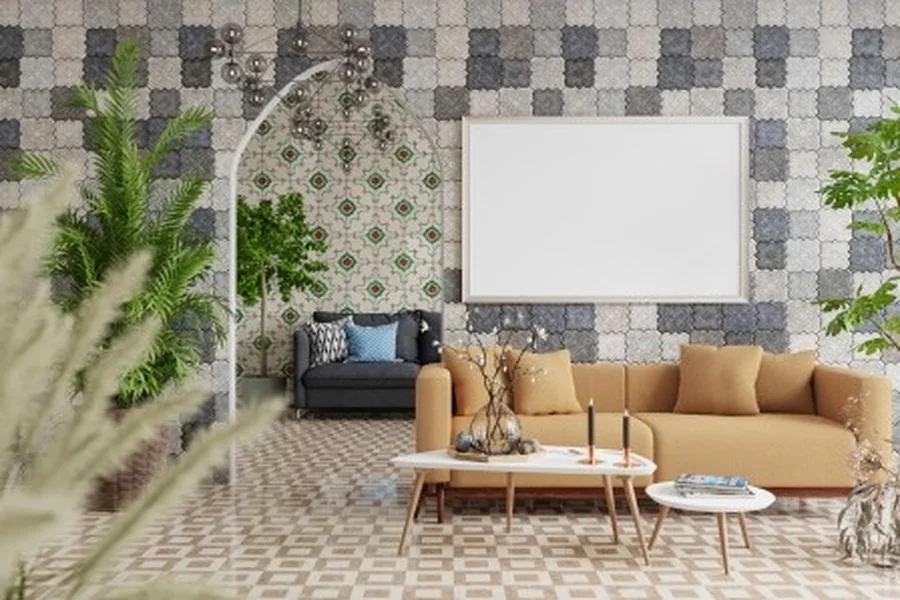
Mosaic tiles have emerged as a versatile and aesthetically pleasing option in the world of interior design, known for their diversity in texture, colour, and form. Among the top suppliers of these stunning tiles is Futar Singapore, a name that is synonymous with quality and innovative design. This company makes a vital contribution to the vibrant market for tiles in Singapore.
Understanding Mosaic Tiles
Mosaic tiles are small, square pieces of ceramic, glass, stone, or other materials, arranged to create a visually stunning and intricate pattern. These tiles are highly regarded for their versatility and can be used for various applications such as walls, floors, and ornamental features in both residential and commercial settings. Available in a multitude of sizes, colours, and finishes, mosaic tiles allow for endless creativity and customisation.
The Demand for Mosaic Tiles in Interior Design
Interior design in Singapore has been significantly influenced by the global trend of using artistic tiles. Mosaic tiles stand out due to their ability to transform ordinary spaces into works of art. They can enhance the aesthetic appeal of a space, provide texture, and add a layer of sophistication. Their popularity is driven by their durability, low maintenance, and ability to withstand humid conditions, a crucial factor for buildings in tropical climates.
Key Features of Quality Mosaic Tiles
When selecting mosaic tiles, it is essential to consider factors such as the quality of materials, the precision of the cut, and the uniformity of the tiles. High-quality mosaic tiles should have consistent colour and texture, be resistant to wear and moisture, and maintain their appearance over time. These qualities are imperative for tiles that are often exposed to heavy footfall or used in areas such as bathrooms and kitchens.
Exploring Different Materials in Mosaic Tiles
Mosaic tiles come in a variety of materials, each offering unique benefits and aesthetics. Ceramic mosaic tiles are popular for their affordability and ease of installation. Glass mosaic tiles provide a reflective and luminous effect, ideal for creating light-filled spaces. Stone mosaic tiles, such as those made from marble or travertine, add a natural and luxurious touch to interiors. Each material offers different advantages and visual appeals, allowing designers to select the perfect option for their project.
The Role of Suppliers in the Mosaic Tile Market
Suppliers play a pivotal role in the mosaic tile market by offering a diverse range of products to meet varying consumer demands. They act as a bridge between manufacturers and consumers, providing not only the products but also expert advice on installation and care. By working closely with designers and architects, suppliers ensure that projects are realised with the highest standards of quality and design.
Innovative Trends in Mosaic Tile Design
The mosaic tile industry continually evolves with new trends and innovations. Current trends include the use of hexagonal tiles, which break away from traditional square designs and offer a fresh and modern look. Incorporating metallic and iridescent finishes adds a contemporary twist, providing a unique interplay of light and texture. Customised mosaics, where each project is tailor-made to the client’s specifications, are becoming increasingly popular, offering a personalised touch to any design.
The Importance of Sustainability in Mosaic Tiles
Sustainability is a growing concern in the world of building materials, and mosaic tiles are no exception. Leading suppliers focus on sourcing eco-friendly materials and utilising energy-efficient production processes. Some mosaic tiles are made from recycled materials, which not only reduces waste but also minimises their environmental footprint. Selecting sustainable products is increasingly becoming a priority for both designers and consumers alike.
Challenges Faced by Mosaic Tile Suppliers
While the demand for mosaic tiles remains robust, suppliers face several challenges. Competition within the industry is fierce, requiring suppliers to continually innovate and expand their product offerings. Additionally, fluctuations in material costs and supply chain disruptions can impact their operations. Suppliers must also adapt to technological advancements, including the use of online platforms for marketing and sales, to maintain their market presence.
The Future of the Mosaic Tile Industry
The mosaic tile industry is poised for continued growth, driven by innovative design trends and an increasing emphasis on sustainability. As technology continues to advance, the production of mosaic tiles will become more efficient and environmentally friendly. Suppliers who adapt to these changes by offering high-quality, innovative, and sustainable products will likely thrive in this competitive market.
Conclusion
Mosaic tiles remain a popular choice for those looking to enhance aesthetic appeal in interior design. Suppliers like Futar Singapore play a vital role in providing a vast array of options to meet diverse consumer needs, ensuring that each project comes to life with precision and sophistication. Understanding the dynamics of the mosaic tile market helps designers, architects, and consumers make informed decisions, resulting in spaces that are not only beautiful but also sustainable and enduring. In a city bustling with architectural innovation and creativity, mosaic tiles continue to captivate and inspire.