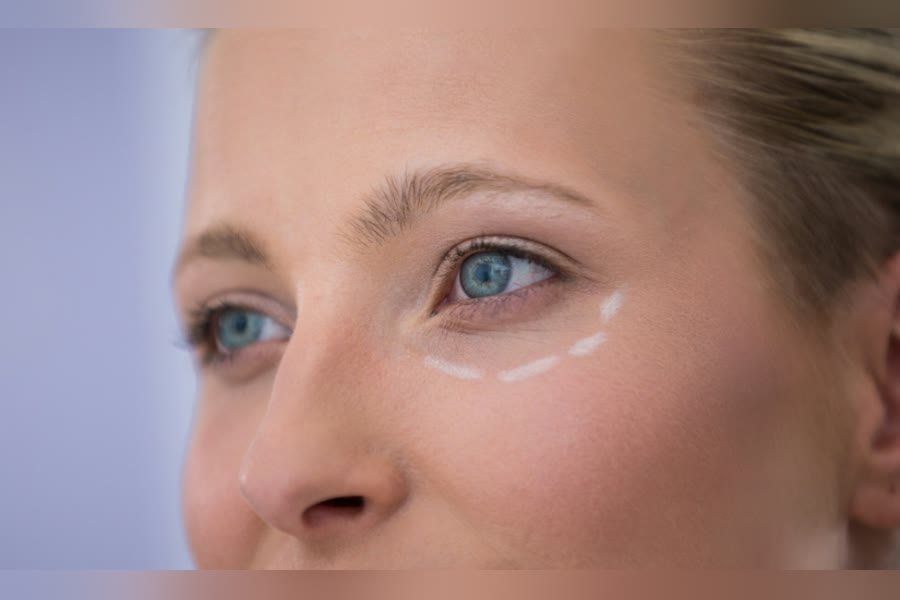
Dark eye circles are a common beauty concern that can affect people of different ages and skin types. They can make the face appear tired, even when someone feels well-rested and healthy. Factors such as genetics, skin pigmentation, lifestyle habits and natural changes in the skin can contribute to their appearance. Although dark circles are not usually a serious health concern, many people look for ways to make the under-eye area appear brighter, smoother and more refreshed.
As the beauty industry continues to develop, more treatment options are becoming available for people who want to improve the appearance of dark circles. These include professional skincare procedures, non-surgical treatments and personalised beauty services. Among the available options, panda eye beauty services have gained attention for their focus on improving the appearance of the delicate skin around the eyes.
Understanding the causes of dark circles is an important first step towards choosing a suitable treatment. With the right approach, individuals can explore practical ways to improve their skin while maintaining realistic expectations about the results.
Understanding the Causes of Dark Eye Circles
Dark eye circles refer to darker areas beneath or around the eyes. They can appear brown, blue, purple or grey, depending on a person’s skin tone and the underlying cause. In some cases, several factors contribute to their appearance at the same time.
Genetics can influence skin thickness, pigmentation and the natural structure of the under-eye area. Some people are more likely to develop noticeable dark circles because of inherited characteristics. This means that even individuals who maintain healthy lifestyles may still experience the concern.
Ageing can also affect the appearance of the under-eye area. As skin gradually loses collagen and elasticity, it may become thinner and less firm. Changes in the distribution of facial fat can create hollows or shadows that make dark circles appear more noticeable.
Lifestyle habits may contribute as well. Insufficient sleep, dehydration and prolonged periods of fatigue can make the face look tired. Allergies and frequent rubbing of the eyes may also contribute to inflammation and pigmentation in some individuals.
Understanding these differences is important because dark circles do not always have the same underlying cause. A treatment that works well for one person may not provide the same results for someone with a different concern.
Modern Approaches to Dark Circle Treatments
Beauty and skincare treatments now offer several approaches to improving the appearance of dark circles. The most suitable option depends on whether the concern is related to pigmentation, visible blood vessels, skin texture or volume loss.
Some treatments focus on improving the appearance of uneven skin tone. Others aim to support collagen production, improve skin texture or reduce the shadows created by changes in the under-eye area.
Professional assessments can help determine which approaches may be appropriate. During a consultation, practitioners can examine the skin, discuss individual concerns and explain the possible benefits and limitations of available treatments.
It is important to understand that not every dark circle can be completely removed. Some treatments may provide gradual improvements, while others may require several sessions or ongoing maintenance. Choosing an appropriate approach is more important than selecting a procedure simply because it is popular.
How Panda Eye Beauty Services Work
Panda eye beauty services focus on improving the appearance of dark circles through treatments selected according to individual skin concerns. Rather than assuming that everyone has the same problem, a personalised approach considers factors such as pigmentation, skin condition, texture and the appearance of the under-eye area.
The process may begin with a consultation to understand the client’s expectations and determine which treatment options are suitable. Practitioners can then recommend an approach based on the condition of the skin and the expected results.
Depending on the services offered, treatment options may include specialised skincare procedures, skin rejuvenation techniques and other non-surgical approaches. Each method has different purposes, so understanding how it works is essential before proceeding.
The delicate nature of the under-eye area also makes professional assessment particularly important. Treatments should be selected and performed by appropriately qualified practitioners using suitable equipment and established safety procedures.
A personalised treatment plan can help individuals make informed decisions while avoiding unnecessary procedures. Clients should also receive clear information about possible side effects, recovery requirements and the expected level of improvement. For more on a related topic, you may find our article on dark circles removal and effective treatment options useful.
Laser Treatments for Dark Eye Circles
Laser treatments are among the options used to address certain types of pigmentation and skin concerns. They use controlled light energy to target specific areas of the skin. Depending on the technology and settings, some laser procedures can help improve uneven pigmentation or stimulate collagen production.

Different laser systems are designed for different purposes. Some focus on pigmentation, while others target skin texture and signs of ageing. The appropriate technology depends on the individual’s skin condition and the cause of the dark circles.
Although laser treatments can be useful in selected cases, they are not suitable for everyone. Skin sensitivity, pigmentation characteristics and medical history should be considered before treatment.
Possible side effects include temporary redness, swelling and irritation. In some cases, inappropriate treatment settings can increase the risk of pigmentation changes or skin damage. A qualified professional should explain these risks and determine whether laser treatment is appropriate.
Chemical Peels and Skin Rejuvenation
Chemical peels are another treatment option for certain pigmentation concerns. They involve applying a carefully selected solution to exfoliate the outer layers of the skin. This process encourages the removal of dead skin cells and can improve the appearance of uneven skin tone.
For the under-eye area, treatments must be selected with particular care because the skin is thinner and more sensitive than many other facial areas. Strong products or unsuitable application techniques can cause irritation and damage.
Mild professional treatments may be considered for suitable individuals after an assessment. The strength and type of peel should depend on the person’s skin condition and treatment goals.
Skin rejuvenation procedures may also help improve texture and overall appearance. However, results vary, and individuals should understand that pigmentation caused by genetics or structural shadows may not respond to exfoliating treatments alone.
Cosmetic Fillers and Under-Eye Volume Loss
Some people experience dark circles because of hollows beneath the eyes. These areas can create shadows that make the skin appear darker, even when there is little actual pigmentation.
In selected cases, cosmetic fillers may help improve the appearance of these hollows. Hyaluronic acid-based fillers can add volume and soften certain transitions between the lower eyelids and cheeks.
However, under-eye filler treatment requires considerable professional expertise. The area contains delicate structures, and complications can include swelling, uneven results and changes in skin colour. Rare but serious vascular complications are also possible.
Fillers are not suitable for every type of dark circle. They are generally considered for structural concerns rather than pigmentation alone. A qualified medical practitioner should assess the area and explain the potential risks before treatment.
Non-Surgical Treatments and Skin Improvement
Non-surgical treatments are attractive to people who want to improve their skin without undergoing an operation. Depending on the procedure, these options may involve light-based technology, energy-based devices or specialised skincare techniques.
Microneedling is one method used to support skin rejuvenation. It involves creating controlled microscopic punctures in the skin to stimulate its natural repair response. This process can encourage collagen production and may improve certain texture concerns.
However, microneedling around the eyes requires careful assessment and appropriate equipment. It should only be performed by a suitably trained professional. Incorrect techniques can cause irritation, infection or unwanted skin changes.
Other non-surgical procedures may help improve skin firmness or texture. Their effectiveness depends on the technology used and the individual’s skin condition. Clients should ask about the evidence supporting a treatment rather than relying entirely on promotional claims.
Supporting Professional Treatments with Healthy Habits
Professional treatments can be supported by consistent skincare and healthy daily habits. Although lifestyle changes may not remove genetically influenced dark circles, they can help maintain healthier-looking skin.
Getting sufficient sleep is important for overall wellbeing and can help reduce the tired appearance that sometimes makes dark circles more noticeable. Drinking enough water and maintaining a balanced diet also support normal skin function.
Sun protection is particularly important because ultraviolet exposure can contribute to pigmentation. Applying a suitable sunscreen and wearing sunglasses can help protect the delicate skin around the eyes.
Avoiding frequent eye rubbing is another useful habit. Rubbing can irritate the surrounding skin and may contribute to inflammation or pigmentation changes. People who experience persistent itching should consider whether allergies or other skin concerns may be involved.
A gentle skincare routine can also help. Suitable moisturisers and carefully selected eye products may improve skin hydration and comfort. Ingredients such as peptides, antioxidants and retinoids are sometimes included in eye care products, although retinoids may cause irritation and should be used cautiously around the eyes.
Choosing the Right Beauty Treatment
Selecting a suitable treatment requires more than choosing the latest procedure. Individuals should first understand what is causing their dark circles and whether a particular treatment addresses that concern.
A professional consultation provides an opportunity to discuss skin condition, expectations and possible treatment options. Clients should ask about practitioner qualifications, equipment, safety procedures, expected results and potential side effects.
It is also useful to understand the number of sessions required and whether maintenance appointments may be necessary. Some treatments produce gradual improvements, while others may involve recovery periods or temporary skin reactions.
People should be cautious of services that promise permanent or guaranteed results. Dark circles can have several underlying causes, and no single treatment is suitable for everyone.
The Growing Importance of Personalised Beauty Services
Personalised skincare is becoming an important part of the beauty industry. Rather than offering identical procedures to every client, professional services increasingly focus on understanding individual skin conditions and selecting suitable approaches.
Technology can support this process through improved skin analysis equipment and treatment systems. These tools may help practitioners examine visible skin concerns and monitor changes during a treatment plan.
However, technology should complement professional judgement rather than replace it. Accurate assessment, appropriate training and clear communication remain essential when providing treatments around the eyes.
Panda eye beauty services reflect the growing interest in specialised approaches to under-eye concerns. By focusing on individual needs and suitable treatment options, these services can help clients explore ways to improve their appearance while considering skin health and safety.
Conclusion
Dark eye circles can develop for several reasons, including genetics, pigmentation, ageing, allergies and lifestyle factors. Understanding the underlying cause is essential when deciding how to address them.
Modern beauty treatments offer different possibilities, including laser procedures, chemical peels, microneedling and cosmetic fillers. However, each option has specific benefits, limitations and risks. Professional assessment is therefore important before beginning any procedure.
Combining suitable treatments with consistent skincare, sun protection and healthy daily habits can support better skin care outcomes. With realistic expectations and appropriate professional guidance, individuals can explore panda eye beauty services and other specialised options to improve the appearance of the under-eye area and feel more confident in their skin.