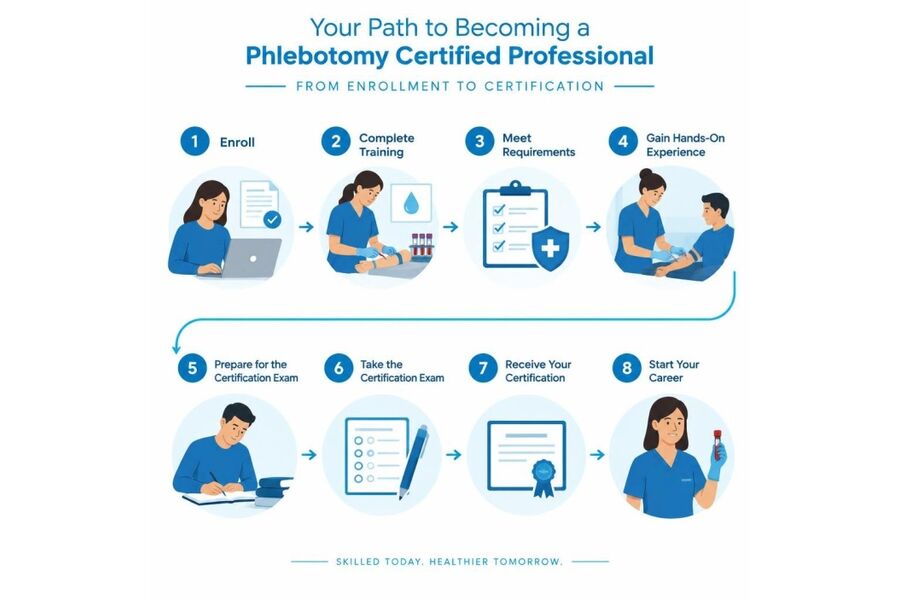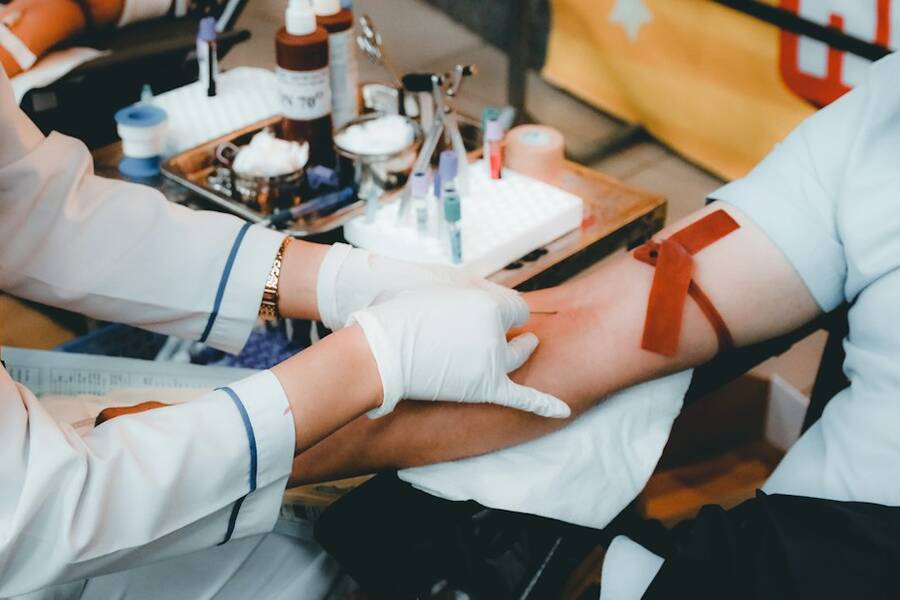
Are you considering a rewarding career in healthcare? Phlebotomy offers a direct path into the medical field. Phlebotomists are vital members of any healthcare team. They expertly draw blood samples, which are crucial for patient diagnosis and treatment. This role combines technical skill with important patient interaction.
As of October 2026, the demand for skilled phlebotomists is strong. Many people are looking for training programs that are both thorough and easy to access. We know that choosing the right program can feel overwhelming.
We will break down everything you need to know about phlebotomy training programs. We will explore admission requirements, program length, and the key skills you will gain. We will also discuss total costs, certification exams, and future job prospects. For those seeking accessible and affordable phlebotomy training, understanding these details is a valuable first step.
Embarking on a phlebotomy career begins with selecting the right training program. These programs vary in structure, duration, and the specific requirements for admission. Understanding these differences is crucial for prospective students to find a program that aligns with their personal circumstances and career goals.
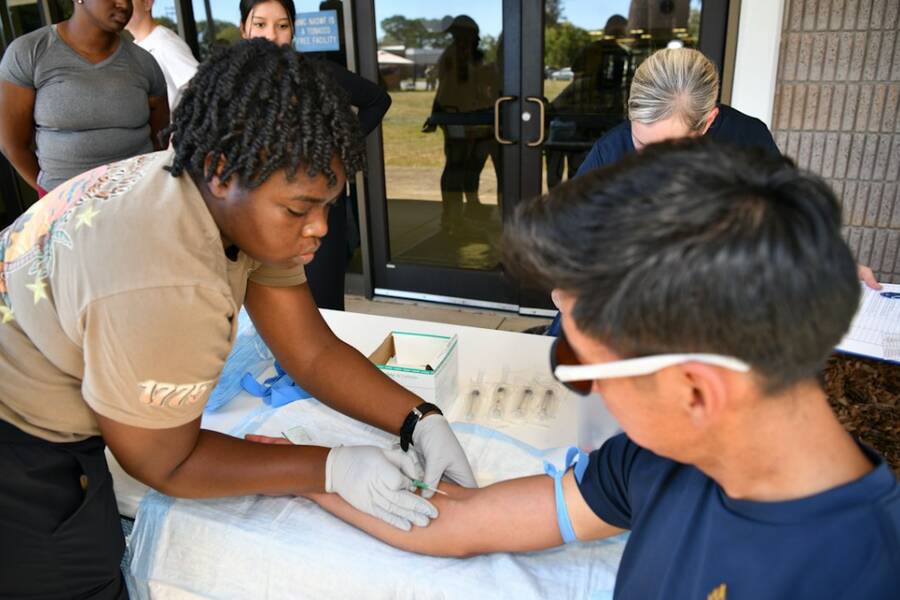
Generally, phlebotomy training programs are offered through community colleges, vocational schools, and continuing education departments. While the core curriculum remains consistent, the delivery and prerequisites can differ. Most programs require applicants to be at least 18 years old by the time clinical training begins, ensuring they are legally able to participate in patient care settings.
A foundational educational requirement across nearly all programs is a high school diploma or its equivalent, such as a General Educational Development (GED) certificate. This ensures students have the basic academic skills necessary to comprehend the course material. Furthermore, English language proficiency is often a prerequisite, as effective communication with patients and healthcare professionals is paramount in this role.
Beyond academic standing, background screening and drug testing are standard requirements. These are critical for patient safety and maintaining the integrity of healthcare environments. A clean criminal record is typically mandatory, as phlebotomists work in sensitive settings with vulnerable populations. Drug screenings are also routine to ensure a safe and professional clinical environment.
Educational and Technical Prerequisites
Admission criteria for phlebotomy programs extend beyond basic educational attainment. While a high school diploma or GED is essential, programs also look for candidates who possess certain inherent qualities and technical aptitudes. Phlebotomy is a hands-on profession that demands precision and a steady hand. Therefore, strong hand-eye coordination and visual acuity are often cited as technical standards that students must meet. These physical requirements are critical for performing venipuncture and capillary punctures accurately and safely.
Beyond the physical aspects, successful phlebotomists must also excel in soft skills. Patient communication is a vital component of the role. Students are trained to interact with patients from diverse backgrounds, providing clear instructions, answering questions, and, most importantly, easing anxieties. Many individuals feel apprehensive about blood draws, and a phlebotomist’s ability to communicate calmly and empathetically can significantly improve the patient experience. Programs emphasize ethical conduct, teaching students the importance of patient privacy, informed consent, and professional behavior in all clinical interactions. These skills are not just beneficial; they are integral to providing patient-centered care and upholding the standards of the medical profession.
Program Duration and Clinical Training Structure
The pathway to becoming a certified phlebotomist can be surprisingly swift, making it an attractive option for those looking to enter the healthcare field quickly. Program durations vary, but many are designed for rapid completion. For instance, some intensive programs, like the Phlebotomy Technician program at ACC, can be completed in as little as 3.5 months, totaling 208 hours of instruction. Other programs, such as those at Virginia Western Community College, are structured to fit within a single academic semester, which could be 16 weeks for fall or spring terms, or an even more accelerated 10 weeks during the summer.
Regardless of the overall length, the structure of these programs typically combines several learning modalities to ensure comprehensive training. Students usually engage in classroom lectures to cover theoretical knowledge, such as anatomy, physiology, medical terminology, and safety protocols. These lectures are complemented by practical labs, where students gain hands-on experience using simulated arms and practicing venipuncture techniques in a controlled environment. The critical component of any phlebotomy program is the clinical rotations or internships. This is where students apply their learned skills in real-world healthcare settings, performing blood draws on actual patients under the supervision of experienced phlebotomists.
Clinical training sites are diverse and can include hospitals, outpatient clinics, diagnostic laboratories, and blood donation centers. The location of these sites can vary significantly. For example, students at Virginia Western may complete their clinical training at assigned labs in Roanoke or nearby towns like Lexington, Rocky Mount, Blacksburg, Pulaski, or Christiansburg. This often means students are responsible for their own transportation to these sites and must be prepared for potential commutes. It’s also important to note that these clinical hours are typically unpaid, serving as an essential part of the educational experience rather than employment. The demanding nature of clinical weeks often requires a full-time day schedule, highlighting the commitment needed to successfully complete the program.
To illustrate the differences, let’s look at a comparison of two common program types:
| Feature | Community College Credit Program (e.g., Virginia Western) | Continuing Education Certificate Track (e.g., ACC) |
|---|---|---|
| Duration | 1 semester (16 weeks fall/spring, 10 weeks summer) | 3.5 months (208 total hours) |
| Structure | Mix of evening lectures/labs, online coursework, 8-week internship | Classroom, lab, and clinical experiences |
| Credit | 16 credits | Non-credit certificate |
| Estimated Tuition | $3,065.60 (in-state, 16 credits) | $900.00 (tuition only) |
| Books & Fees | ~$180 (books) + other fees | Not included in tuition |
| Clinical Training | Unpaid, assigned sites in various towns | Integrated into program |
This table highlights that while both pathways lead to certification, credit-based programs often have higher tuition but may offer broader academic benefits, whereas continuing education programs are typically more focused and can be more cost-effective for tuition alone.
Comprehensive Cost Breakdown and Affordable Phlebotomy Training Options
Understanding the financial commitment is a major factor when choosing a phlebotomy training program. The total cost extends far beyond just tuition fees and encompasses a range of mandatory expenses that prospective students must budget for. These costs can vary significantly between institutions and program formats, so a detailed breakdown is essential for financial planning.
Direct Tuition vs. Mandatory Program Expenses
When evaluating programs, it’s crucial to look beyond the advertised tuition fee. While some programs, like the Phlebotomy Technician certificate program at ACC, list tuition at $900.00, this figure often does not include all necessary expenses. For instance, books and additional fees are explicitly stated as not included in ACC’s tuition. In contrast, a community college credit program, such as the one at Virginia Western, might have an estimated in-state tuition of $3,065.60 for 16 credits.
Beyond tuition, there are several mandatory out-of-pocket costs that students must anticipate:
- Required Textbooks: These can add a substantial amount to the overall cost. Virginia Western estimates $180 for books.
- Clinical Uniforms and Attire: Professional dress is required for clinical rotations. This includes scrubs, closed-toe shoes, and sometimes a school patch. Virginia Western estimates $25 for clinical attire/school patch.
- Medical Clearances and Immunizations: To protect both students and patients, a series of medical tests and immunizations are mandatory. This typically includes a Hepatitis B series and a TST (tuberculosis skin test). Virginia Western estimates $150 for these medical expenses.
- Background Checks and Drug Screens: As discussed, these are non-negotiable for entry into clinical settings. Virginia Western estimates $89 for a background check/drug screen.
- Certification Exam Fees: After completing the program, students must pass a national certification exam to become a certified phlebotomist. These exam fees are separate from program costs and must be budgeted for.
When considering these various components, the total cost for a program can easily exceed the initial tuition estimate. Budgeting strategies should account for all these elements to avoid unexpected financial burdens during the training period.
Financial Aid and Finding Affordable Phlebotomy Training
Despite the various costs, there are often financial aid options available to help make phlebotomy training more accessible. Many programs recognize the importance of supporting students in pursuing healthcare careers and offer avenues for assistance.
One significant funding opportunity is G3 funding, often available through state initiatives. For example, the Virginia Western program explicitly states its eligibility for G3 funding assistance. G3, or “Get a Skill, Get a Job, Get Ahead,” is a state-funded program designed to help eligible students pay for tuition and fees for certain high-demand workforce training programs. These grants can significantly reduce the financial burden, making quality training attainable for a wider range of individuals.
Beyond G3 funding, prospective students should explore other financial aid avenues. Community colleges and vocational schools often have financial aid offices that can guide students through applications for federal grants, state grants, and institutional scholarships. Some programs may also offer payment plans, allowing students to spread out the cost of tuition over time. Additionally, workforce development agencies or local employment services might provide assistance or referrals to funding sources for career training.
It’s also worth noting that programs often uphold strong non-discrimination policies, ensuring that admissions and financial aid decisions are based on merit without regard to race, color, sex, age, religion, disability, national origin, or other non-merit factors. This commitment to equitable access helps ensure that anyone with the aptitude and desire can pursue a career in phlebotomy. Student support services, including academic advising and financial aid counseling, are typically available to help navigate these processes, ensuring students have the resources they need to succeed.
Core Clinical Competencies and Certification Standards
A phlebotomy training program is designed to equip students with a specific set of skills and knowledge that are critical for safe and effective blood collection. These competencies go beyond simply drawing blood; they encompass a holistic understanding of patient care, safety protocols, and laboratory procedures.
Essential Phlebotomy Skills and Patient Care
At the heart of phlebotomy training are the practical skills required for blood collection. Students learn various methods, including venipuncture (drawing blood from a vein) and capillary puncture (collecting blood from a finger or heel stick). This involves mastering techniques for vein selection, proper needle insertion, and safe needle disposal using sharps containers. A strong emphasis is placed on blood safety and infection control, teaching students about universal precautions, personal protective equipment (PPE), and preventing the spread of bloodborne pathogens.
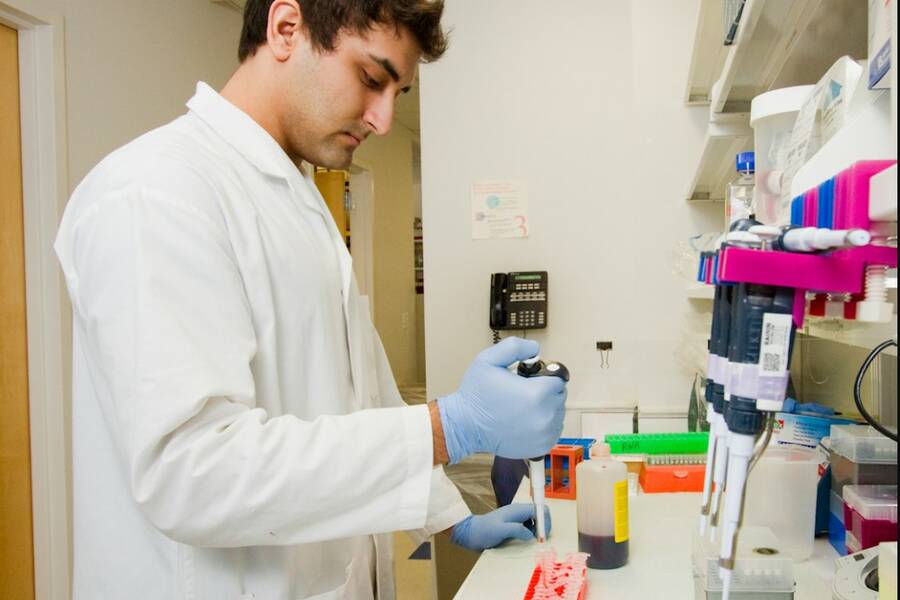
Beyond the physical act of drawing blood, students gain crucial knowledge in specimen handling. This includes accurate patient identification, meticulous specimen labeling, and proper storage and transportation to maintain specimen integrity. Quality assurance is also a key component, ensuring that samples are collected and processed correctly to yield reliable laboratory results. Errors in these steps can have significant consequences for patient diagnosis and treatment.
Effective patient care is interwoven with technical skills. Students learn the importance of bedside manner, developing communication skills to ease patient fears and build trust. This includes techniques for managing patient anxiety, especially for those who are nervous or have a fear of needles. Training often covers specific considerations for different patient populations, such as pediatric draws, which require gentle handling and distraction techniques, and geriatric care, which may involve dealing with fragile veins or cognitive impairments. The program emphasizes ethical conduct and patient-centered care as core competencies, ensuring graduates are not only skilled technicians but also compassionate healthcare providers.
Certification Exam Preparation in Affordable Phlebotomy Training
Upon successful completion of a phlebotomy training program, the next crucial step is to obtain professional certification. This credential signifies that a phlebotomist has met national standards of competency and is highly valued by employers. Programs are specifically designed to prepare students for these national exams, which are administered by various credentialing agencies such as the National Healthcareer Association (NHA), American Medical Technologists (AMT), or the American Society for Clinical Pathology (ASCP).
Preparation for these exams is integrated throughout the curriculum. Students are typically required to complete a certain number of successful venipunctures and capillary punctures during their clinical rotations, known as clinical quotas, to demonstrate proficiency. The programs cover all the content areas tested on the certification exams, including anatomy and physiology related to the circulatory system, blood collection procedures, safety and infection control, specimen processing, and legal and ethical considerations.
Students should also budget for the associated certification exam fees, which are separate from program costs. Many programs offer test preparation resources, review sessions, or practice exams to help students feel confident before sitting for the actual certification test. Achieving certification is not just an endpoint; it often marks the beginning of a commitment to lifelong learning and professional growth, with many certified phlebotomists pursuing continuing education to maintain their credentials and expand their skills.
Career Outlook, Salary Expectations, and Workplace Settings
Entering the phlebotomy field offers a promising career path with a strong demand for skilled professionals. As of October 2026, the job outlook for phlebotomists remains positive, driven by the continuous need for diagnostic testing in healthcare.
The median salary for a Phlebotomy Technician is approximately $36,586. This figure can vary based on factors such as geographic location, years of experience, and the specific healthcare setting. However, it provides a solid benchmark for entry-level professionals. The job market index for phlebotomists, as indicated by some programs, is robust, suggesting a healthy demand for new graduates.
Phlebotomists play a crucial role across a variety of healthcare environments. Graduates can find employment in:
- Diagnostic Laboratories: These are often the primary employers, where phlebotomists collect samples for a wide range of tests.
- Hospital Facilities: Phlebotomists work in inpatient and outpatient settings within hospitals, drawing blood from patients of all ages and conditions, which reflects the daily demands of modern healthcare.
- Outpatient Clinics and Physician Offices: Many clinics employ phlebotomists to handle routine blood draws for check-ups and specialized tests.
- Blood Donation Centers: Here, phlebotomists are essential for collecting blood from donors, contributing to the vital blood supply.
- Urgent Care Centers and Nursing Homes: These facilities also require phlebotomy services for their patients.
Beyond entry-level positions, phlebotomy can serve as a stepping stone to other healthcare careers. With experience and further education, phlebotomists can advance to roles such as lead phlebotomist, laboratory assistant, medical assistant, or even pursue nursing or other allied health professions. The foundational knowledge and patient interaction skills gained in phlebotomy training provide an excellent base for career ladders within the broader healthcare industry.
Frequently Asked Questions about Phlebotomy Training
Navigating the details of phlebotomy training can bring up many questions. Here, we address some of the most common inquiries to provide clarity for prospective students.
What non-academic requirements must students complete before clinical rotations?
Before students can begin their crucial clinical rotations, a set of non-academic requirements must be met to ensure patient safety and compliance with healthcare regulations. These typically include providing up-to-date immunization records, which often encompass a full Hepatitis B series and a TST (tuberculosis skin test). Furthermore, all students must undergo and pass a criminal background check and a drug screening. Depending on the clinical site, additional requirements such as CPR certification or a general health clearance from a physician may also be necessary. These steps are mandatory and must be completed before students can participate in direct patient care settings.
How long does it take to finish a typical phlebotomy technician program?
The duration of a phlebotomy technician program can vary, but many are designed for quick completion to get students into the workforce efficiently. Some accelerated tracks can be as short as 10 weeks, particularly during summer semesters. Other programs typically run for one full academic semester, which is often 16 weeks. There are also programs structured for approximately 3.5 months, encompassing around 208 clock hours of combined classroom, lab, and clinical training. These programs often include an internship component that integrates practical experience with theoretical learning, ensuring graduates are workforce-ready.
What financial assistance options are available for phlebotomy students?
Numerous financial assistance options exist to help students cover the costs associated with phlebotomy training. A prominent option in some states is G3 assistance, a state-funded initiative aimed at supporting students in high-demand career fields. Beyond state-specific programs, students can explore various state workforce grants, which are often available through local employment agencies. Community colleges typically have financial aid offices that can guide students through applications for federal grants, institutional scholarships, and tuition payment plans. In some cases, employer sponsorships may also be available, where a healthcare facility helps fund training in exchange for a commitment to work for them after certification.
Conclusion
Embarking on a phlebotomy training program is an excellent step towards a fulfilling career in healthcare. As of October 2026, the demand for skilled phlebotomists continues to be strong, offering promising job prospects and a median salary that reflects the value of this essential role. We’ve explored the diverse program formats, from intensive continuing education certificates to comprehensive community college credit courses, each designed to provide the necessary skills for workforce readiness.
Understanding the admission requirements, including educational prerequisites and crucial non-academic clearances like background checks and immunizations, is key to a smooth application process. While costs can encompass more than just tuition, various financial aid options, such as G3 funding, exist to make quality training accessible and affordable.
Through rigorous training in essential phlebotomy skills, patient care, and meticulous specimen handling, students are thoroughly prepared for national certification exams. This professional credentialing opens doors to diverse workplace settings, from bustling hospitals to local diagnostic laboratories. By choosing a program that aligns with your goals and taking advantage of available support, you can confidently step into a career that offers both immediate entry into the medical field and a solid foundation for future growth.