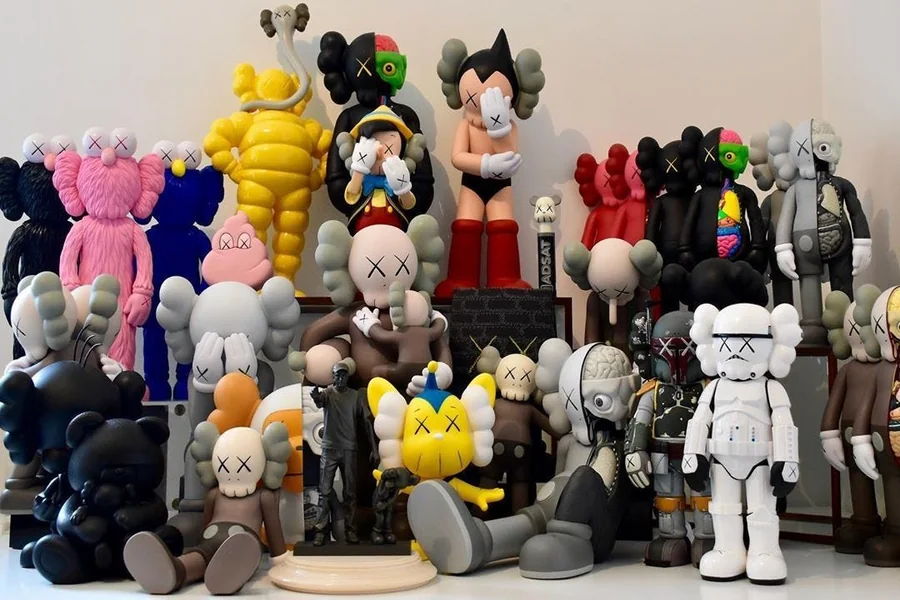
Collecting figurines and designer toys has become a recognizable hobby among young adults. What was once associated mainly with childhood play now includes collectors interested in character design, limited editions, and display collections. One format attracting attention is the blind box, a sealed package containing a figure whose identity remains unknown until opening. The combination of artistic design, surprise, and collecting encourages repeated purchases and creates communities around particular characters.
The appeal of blind boxes also raises questions about how uncertainty influences consumer behavior. People exploring other forms of chance-based entertainment may encounter this website, which features casino games involving financial risks. Although blind box purchases and gambling operate under different rules, both can involve anticipation about uncertain outcomes. Understanding these mechanisms helps explain why collecting can become engaging and why spending boundaries matter.
What Is a Blind Box?
A blind box is a package containing one item from a collection, with the specific design concealed until purchase.
Manufacturers typically release several figures within a themed series. Some designs appear more frequently than others, while certain editions may be harder to obtain.
Buyers know the possible characters but cannot always select the exact figure.
This uncertainty distinguishes blind boxes from conventional toy purchases.
The format combines product ownership with an element of discovery, making the opening experience part of the attraction.
How Designer Toys Differ From Traditional Toys
Designer toys often emphasize character development, visual concepts, and artistic interpretation rather than gameplay.
They may be created by illustrators, sculptors, or independent artists who develop recognizable characters.
Collectors purchase these objects for their appearance, meaning, or connection to a particular artistic style.
Unlike conventional toys intended primarily for play, designer figures are frequently displayed on shelves or desks.
However, the distinction is not absolute. Many collectibles combine decorative and recreational purposes.
Why Generation Z Finds Collecting Appealing
Young adults often use collections to express personal interests and develop recognizable spaces.
Figures can represent preferred aesthetics, fictional characters, or memories associated with particular purchases.
Collecting also provides a structured hobby with identifiable goals.
Participants may aim to complete a series or obtain specific designs.
However, interest varies among individuals, and collecting should not be presented as a universal generational preference.
Its popularity reflects overlapping motivations involving design, entertainment, community, and personal expression.
The Psychology Behind Surprise Purchases
Uncertainty plays an important role in the blind box experience.
Opening a package creates anticipation because buyers do not know which figure they will receive.
A desired item may produce satisfaction, while duplicates can encourage additional purchases.
This resembles a variable-reward mechanism, where the outcome is uncertain.
However, purchasing a physical collectible is not identical to wagering money for a gambling payout.
The relevant concern is whether uncertainty encourages spending beyond the buyer’s original intentions.
Setting purchase limits helps maintain control.
Social Media and Unboxing Videos
Short videos have increased the visibility of blind box culture.
Creators record package openings, display collections, and compare figures from different series.
The concealed contents create a moment of suspense that fits short-form video formats.
Viewers may also participate by predicting which design will appear.
These videos introduce products to audiences who might not otherwise encounter designer toys.
However, repeated exposure can encourage impulse purchases, particularly when creators present collecting as a competition.
Why Rare Figures Attract Attention
Some blind box collections include figures with lower stated appearance probabilities.
These designs may attract collectors seeking to complete a series.
Rarity can also influence resale prices when demand exceeds available supply.
However, limited availability does not guarantee lasting financial value.
Prices depend on collector interest, product condition, supply, and changing preferences.
Buying figures primarily as investments introduces uncertainty because resale markets can fluctuate.
Collectors should distinguish personal enjoyment from expectations of future profit.
Trading and Collecting Communities
Duplicate figures create opportunities for exchanges between collectors.
Online communities and local gatherings allow participants to trade items, discuss designs, and share collection photographs.
These interactions can transform an individual hobby into a social activity.
Trading may also reduce the need to purchase additional boxes when searching for a particular character.
However, participants should verify product condition and transaction terms.
For online exchanges, reliable payment arrangements and clear photographs help reduce disputes.
How Much Does Blind Box Collecting Cost?
Individual boxes may appear affordable compared with larger collectibles.
However, purchasing multiple boxes can significantly increase total expenses.
Collectors should calculate the cost of pursuing a complete series rather than considering each purchase separately.
For example, eight boxes priced at $15 represent $120 before shipping or taxes.
Duplicates can increase spending without bringing collectors closer to completion.
Buying an identified figure through resale may sometimes cost less than repeatedly purchasing uncertain boxes.
Environmental Concerns and Packaging
Blind box products often involve layers of cardboard, plastic wrapping, and protective materials.
Frequent purchases can generate packaging waste and increase demand for additional production.
Manufacturing materials and transportation also contribute to environmental impacts.
Collectors interested in reducing waste can exchange duplicates, purchase secondhand figures, and avoid unnecessary packaging.
Displaying existing collections rather than constantly expanding them may also reduce consumption.
The sustainability of collecting depends partly on purchasing frequency and product longevity.
How to Start Collecting Responsibly
Beginners should identify a character series they genuinely appreciate before purchasing multiple boxes.
Research available designs, prices, and stated rarity information.
Establish a spending limit and consider whether individual figures can be purchased directly.
Keeping records of existing items helps avoid unnecessary duplicates.
A collection does not need to be complete to provide satisfaction.
Selecting meaningful pieces can offer greater enjoyment than pursuing every release.
The Future of Blind Box Culture
Blind box collecting combines character design, surprise, and community participation within a consumer hobby.
Its appeal among young adults reflects interest in physical objects that express individual taste while providing entertainment.
However, rarity marketing and unpredictable outcomes can encourage excessive purchasing.
The most sustainable approach prioritizes appreciation of design over constant acquisition.
Ultimately, collecting remains rewarding when the value comes from the objects and experiences themselves rather than the pressure to obtain every possible figure.