

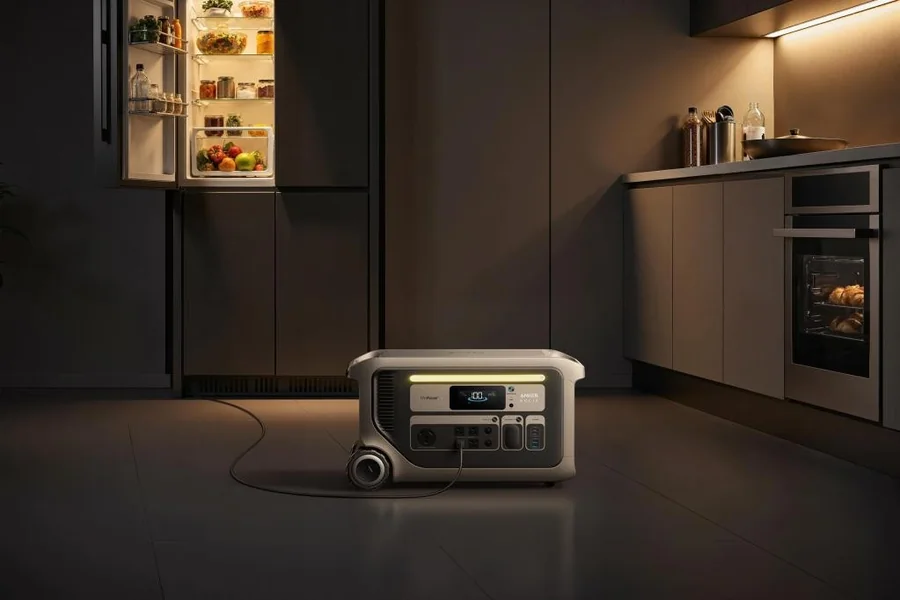
The best solar generator for refrigerator backup power is the one that starts your fridge reliably, runs it for the full outage window, and recharges fast enough to stay useful if the grid stays down. That means looking past marketing claims and focusing on three numbers: startup surge, daily energy use, and recharge speed. A refrigerator does not draw the same power all day, so choosing the right unit requires matching real appliance behavior to battery capacity and inverter output. Once those basics are clear, it becomes much easier to choose a backup setup that fits your home.
Work Backward From the Fridge’s Real Power Demand
Startup Surge Sets the Minimum Output You Need
A refrigerator may run at a modest wattage once the compressor is on, but startup surge is what determines whether a solar generator can power it at all. When the compressor kicks in, the fridge can briefly demand several times its normal running load. If the inverter cannot handle that momentary spike, the unit may shut off or fail to start the appliance. That is why output capacity matters before battery size. Check the fridge label, manual, or a watt meter for both running watts and peak surge. For refrigerator backup, choose a system with enough continuous output and strong surge handling so the compressor starts cleanly every cycle.
Daily Energy Use Sets the Battery Capacity You Need
Once startup is covered, battery capacity decides how long the refrigerator will keep running. Most fridges cycle on and off rather than pulling full power continuously, so daily energy use is a better sizing metric than running watts alone. A practical approach is to estimate the fridge’s watt-hours over 24 hours, then add a buffer for inverter losses, door openings, warmer room temperatures, and aging batteries. If you need overnight protection, moderate capacity may be enough. If you want a full day or more, size up. The Anker SOLIX F3000 is a useful reference point, with ultra-low idle draw that supports up to 2 days of cooling an 8 cu.ft fridge.
Match the Generator to Your Backup Window
Short Outages Favor Portable Capacity and Quick Setup
For outages that usually last a few hours, the best solar generator for refrigerator backup is often a portable unit that is easy to move, quick to connect, and large enough to cover one appliance with margin. In this case, simplicity matters as much as raw capacity. You want a system that can be stored charged, wheeled out fast, and plugged in without rewiring your home. Moderate battery capacity can be very effective when the goal is to bridge brief interruptions and protect food. Fast deployment, low idle consumption, and dependable inverter output are the priorities. A compact, ready-to-use backup system is usually the most efficient answer for short-duration refrigerator protection.
Long Outages Favor More Reserve and Faster Recharging
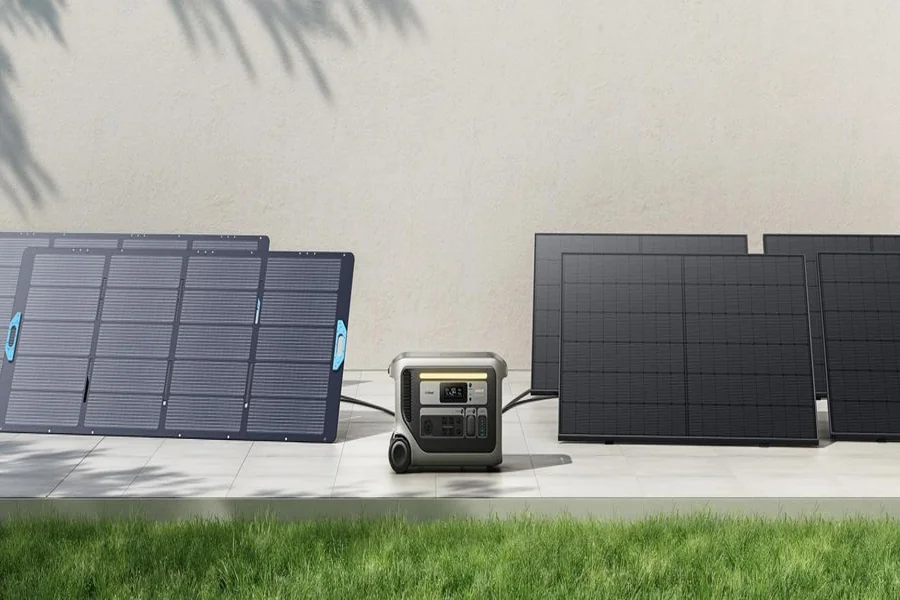
When outages may last a day or longer, reserve power and recharge speed become the deciding factors. A larger battery gives your refrigerator more runtime, but long events also require a way to refill that battery before it is depleted. Solar input capacity matters here because weak charging can leave you short on the second day. The Anker SOLIX F3000 supports up to 2,400W of solar input and can fully charge in under 2 hours in optimal sunlight, which is valuable when weather and daylight are limited. It can also combine a fuel generator and solar for 6,000W recharging with an expansion battery, a practical advantage during extended blackouts.
Choose the Right Level of Backup for Your Home
Fridge-Only Backup Keeps the System Simple and Efficient
If your main goal is food preservation, fridge-only backup is often the smartest place to start. It keeps sizing straightforward, lowers cost, and reduces the risk of overloading the inverter with unnecessary devices. A dedicated refrigerator backup setup also makes runtime more predictable because the battery is not being shared with lights, routers, or cooking equipment. That efficiency is especially useful during unexpected outages, when conserving energy matters. For many households, keeping the refrigerator cold is the highest priority, and a focused system handles that job well. If you want reliable protection without building a larger emergency power plan, this level of backup is usually the most practical choice.
Fridge Plus Essentials Needs More Output and Battery Headroom
If you want to run the refrigerator along with a few essentials, plan for more inverter output and more battery headroom from the start. A fridge paired with lights, phone charging, internet equipment, a fan, or a CPAP machine can still be manageable, but combined loads add up quickly, especially when multiple devices start at once. The right system should power the fridge first and still leave a comfortable reserve for other must-have items. Extra capacity also helps avoid deep discharges that shorten usable runtime during an outage. For families that want a more flexible emergency setup, sizing beyond fridge-only backup provides better stability, convenience, and room for real-world usage changes.
Conclusion
Choosing the best solar generator for refrigerator backup power comes down to matching the unit to how your fridge actually runs and how long you need support. Start with compressor surge, then estimate daily energy use, and finally consider recharge speed for multi-day outages. Short outages usually call for portability and easy setup, while long outages reward larger reserves and strong solar input. If food protection is the priority, a fridge-only setup is efficient and cost-effective. If you want to cover a few essentials too, build in extra output and battery margin. A well-matched system will start reliably, run efficiently, and stay useful when the grid fails.