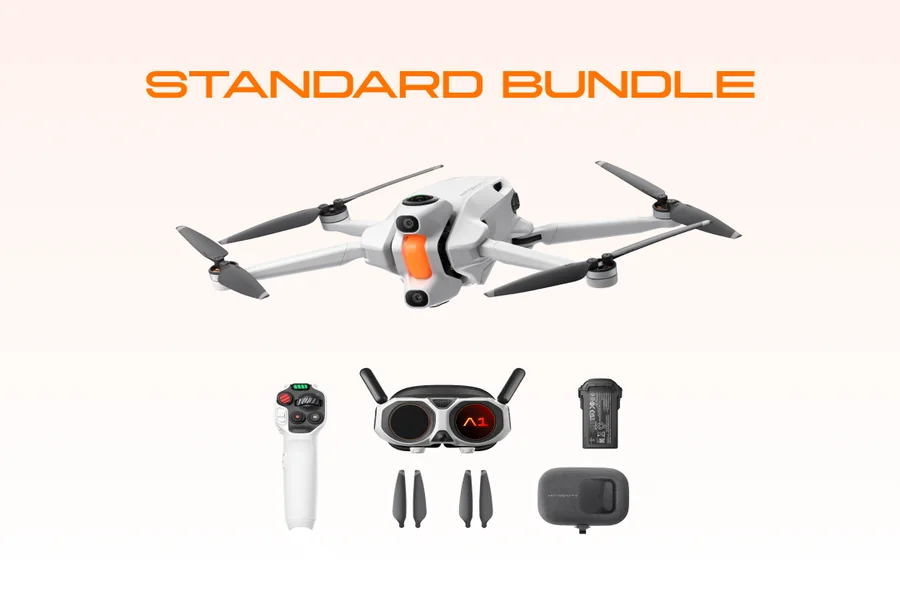
What drone is best for hiking and backpacking trips? Antigravity A1 is our featured choice when you plan dedicated filming stops and want immersive 360 footage with flexible views after landing. DJI Mini 5 Pro suits conventional landscape photographs, while HOVERAir X1 Pro suits short personal clips. Choosing among the best drones with cameras for travel starts with the footage you want and the complete kit you can carry.
This shortlist compares three compact camera drones for different travel jobs. The recommendations reflect their published features rather than a field-tested ranking of endurance, image quality or packed weight.
Key Takeaways
- A1 leads our shortlist for creative travel storytelling through immersive viewing and 360 reframing.
- Mini 5 Pro is the alternative for deliberately composed landscape photos and conventional aerial video.
- X1 Pro is the personal-filming alternative and has the lowest published aircraft weight of these three.
- Portability on a backpacking trip depends on the complete kit: the drone, controller, goggles if required, batteries, charging equipment and protective accessories.
Travel Picks and Published Specifications
| Feature | Antigravity A1 | DJI Mini 5 Pro | HOVERAir X1 Pro |
| Capture approach | 360 capture and later reframing | Conventional framed photos and video | Automated personal clips |
| Sensor | 1/1.28-inch | 1-inch CMOS, 50 MP | 1/2-inch |
| Video options | 8K 360 up to 30 fps | 4K up to 60 fps; 4K at 120 fps for slow motion | 4K up to 60 fps |
| Published weight | 249 g standard; 291 g high-capacity | Approx. 249.9 g ± 4 g; varies by configuration | 192 g |
| Max flight time | 24 min standard; 39 min high-capacity | 36 min standard; 52 min Battery Plus | 16 min |
| Control method | Vision Goggles and Grip Motion Controller | Dedicated remote controller | Automated modes; optional controls |
| Main tradeoff | Goggles and time spent reframing | Framing during flight | Shorter endurance; limited obstacle coverage |
Maximum flight times were measured using different manufacturer test procedures. Keep a battery reserve for returning and landing instead of planning to use every advertised minute. The camera formats also differ: 8K spherical video and conventional 4K video do not provide directly comparable measures of detail in the final frame.
First Pick Antigravity A1 for Creative Travel Sequences
Capture the Setting and Choose Views Later
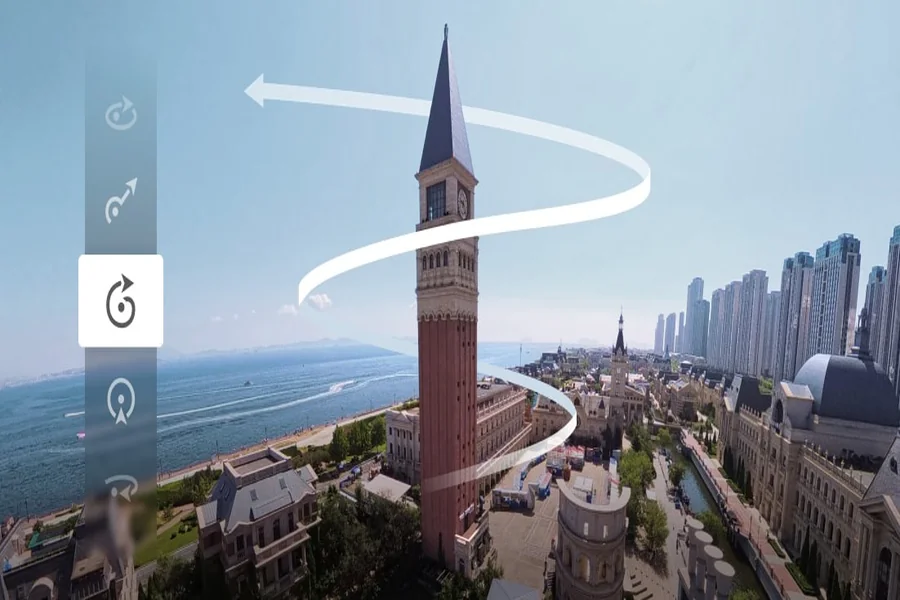
Antigravity A1 records the surrounding scene in 8K 360 video at up to 30 fps. A short flight past an open viewpoint can provide material for a forward-facing landscape, a side view or a look back along the route. You select the framing during editing rather than fixing the final view during the flight.
That is useful when the place matters as much as a single subject. A camping sequence might open on the wider landscape, then shift attention toward the campsite in a later edit. The same recording can support different presentations, provided the flight path captured the relevant scene.
Among the best drones with camera systems for travel, Antigravity A1 is therefore our featured pick for creators who enjoy shaping a story after the trip. It is less compelling if you want the quickest possible conventional clip with little post-processing. Reframing creates choices, but reviewing those choices takes time.
Immersive Viewing Adds a Separate Travel Experience
Vision Goggles let you look around, while the Grip Motion Controller directs the aircraft through point-to-fly inputs in FreeMotion mode. This is part of Antigravity A1’s appeal for travelers who enjoy the experience of exploring a location from the air as well as making a video.
This configuration requires additional equipment and setup time. Plan to stop walking while you film, learn the distinction between viewing direction and travel direction, and check applicable observer requirements. A drone’s compact body alone does not tell you whether the complete operating setup is suitable for a solo hike.
Build a Sequence With Simple Movements
Sky Genie provides automated aerial movements, and Auto Edit can help assemble footage. These tools are useful when they support an intended sequence. Start with a clear subject and one slow movement, then compare several possible views after landing.
For instance, an opening view can establish the setting, followed by a tighter crop that draws attention to a feature already present in the spherical recording. Cropping does not add detail or change the aircraft’s original perspective. Keep that limitation in mind before treating one recording as a replacement for every shot.
Plan for the Complete Kit
Antigravity A1 weighs 249 g with its standard battery and has a published maximum flight time of 24 minutes. Its high-capacity battery raises the aircraft weight to 291 g and the maximum flight time to 39 minutes. Antigravity A1’s endurance test used controlled conditions with recording disabled; outdoor filming can yield different results.
Choose the battery based on your trip and the applicable operating requirements. Include goggles, the controller, protective accessories and charging equipment in your packing plan. The heavier battery may reduce battery changes, but its weight tradeoff still matters on a long walk.
Second Pick DJI Mini 5 Pro for Landscape Photography
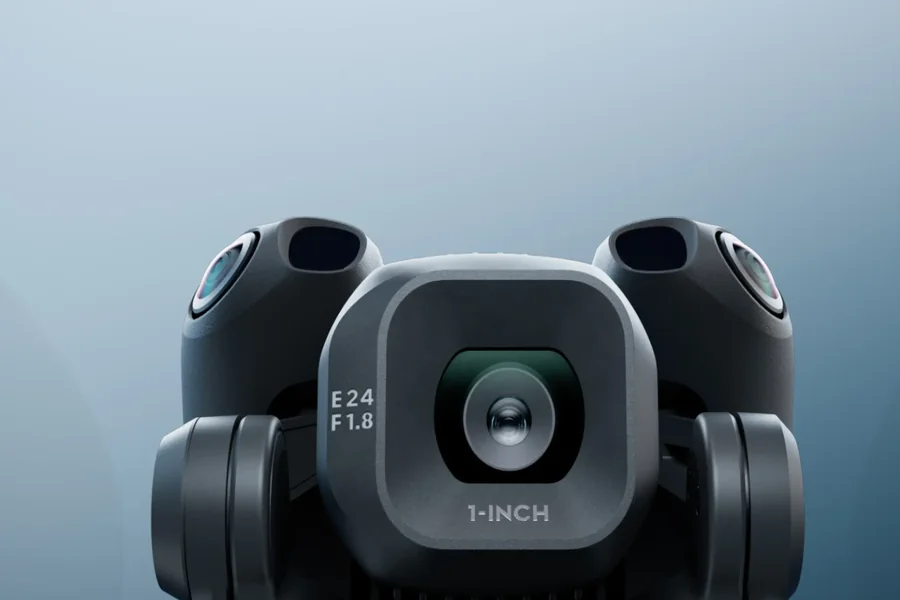
Mini 5 Pro is the conventional photography choice in this comparison. Its 1-inch, 50 MP sensor and three-axis gimbal suit travelers who want to compose a particular landscape photograph or camera move while flying. It also offers 4K recording, including a 120 fps slow-motion option.
The advertised maximum flight time is 36 minutes with the standard battery or 52 minutes with Battery Plus. Those maxima are useful for initial planning, but they are not promised recording durations. The aircraft’s nominal weight is approximately 249.9 g with a stated ±4 g variation, and a larger battery changes the configuration.
Choose Mini 5 Pro if your travel projects revolve around conventional photos and direct framing. Choose A1 if several post-flight views and immersive exploration are more important. The difference is primarily how you capture and present the trip.
Third Pick HOVERAir X1 Pro for Short Personal Clips
X1 Pro emphasizes palm takeoff and automated personal filming. It weighs 192 g and records up to 4K at 60 fps, with a published maximum flight time of 16 minutes. For a short clip centered on you, that focused workflow may be more useful than learning either immersive or conventional aerial composition.
Having the lowest aircraft weight in this shortlist does not mean X1 Pro has the lightest complete kit, since accessories and battery needs vary. Rear ToF detection is not all-around obstacle protection. Inspect the intended route and understand how the aircraft will move in the selected mode before launching.
Match the Drone to Your Trip
Hiking and Backpacking
For a planned scenic stop, choose Antigravity A1 when the main objective is flexible travel storytelling. Choose Mini 5 Pro for conventional landscapes or X1 Pro for a short personal clip. When choosing among the best drones with camera systems for outdoor filming, compare the packed equipment and charging plan, then decide whether the intended footage justifies carrying the system.
If you want to film while continuing along a trail, consider how you will monitor and recover the aircraft. Narrow paths, vegetation and other visitors can make an otherwise appealing shot impractical. A filming stop may give you better control over both the flight and the story.
Camping and Van Life
Antigravity A1 suits trips where a surrounding view helps explain the setting around a campsite or parked van. Mini 5 Pro suits a series of carefully composed landscape images. X1 Pro suits brief personal moments. Before planning any of those shots, confirm that you have permission to fly, check for people nearby and identify suitable landing space.
Charging and storage matter on multi-day trips. Compare the included charger, spare batteries and the device used for reviewing footage. Antigravity A1’s reframing workflow is attractive when you can set aside time for editing and have enough power for your editing devices. Check that both are practical for your trip.
Solo Travel and Automatic Follow Shots
For travelers who mainly want to film themselves, X1 Pro is the first model to assess in this three-model comparison. Check the specific tracking mode, route and recovery process. Automatic following still requires supervision and compliance with local rules.
Antigravity A1’s 360 footage can add more perspectives to a travel film, but the setup using the Vision Goggles and Grip Motion Controller discussed here needs its own operating plan. Appearing alone in a video is different from operating without support. Check the exact control configuration and observer requirements for the intended location.
Frequently Asked Questions
Which Drone Has the Lowest Aircraft Weight in This Comparison?
X1 Pro has the lowest published aircraft weight here at 192 g. No complete packed-kit comparison was performed. For a realistic choice, include control equipment, protective accessories, charging equipment and spare batteries, then assess whether the camera workflow suits the scenic footage you want to capture.
Which Compact Drone Offers the Most Creative Travel Options?
Antigravity A1 is our pick among these three for changing viewpoints after recording. Its 360 capture supports different interpretations of the same scene. Mini 5 Pro is the alternative when creative control means composing a conventional photograph during flight.
What Is a Good Drone for Camping Trips?
Antigravity A1 is worth considering for immersive sequences that show the surroundings. Mini 5 Pro suits conventional landscape photography, and X1 Pro suits short personal clips. The best choice also depends on launch permission, charging access and how much equipment you want to carry.
What Is the Best Portable Follow-Me Drone for Travelers?
X1 Pro is the dedicated personal-filming pick in this shortlist. Evaluate its tracking limits and the route rather than assuming automation makes every activity suitable. Antigravity A1 remains the featured pick here for immersive travel storytelling rather than as an unconditional recommendation for solo follow shots.
Conclusion
The best drones with cameras for travel serve different creative goals. Antigravity A1 leads this shortlist for immersive footage and flexible post-flight views. DJI Mini 5 Pro suits conventional landscape photography, while HOVERAir X1 Pro suits brief personal clips. Choose the footage first, then confirm that the complete kit and operating setup fit your trip.