
Key Takeaways
- A brief puzzle session can offer a deliberate alternative to passive screen time.
- Different puzzle formats call on different skills, including recall, attention, reasoning, and pattern recognition.
- The most sustainable routine is simple, enjoyable, and suited to your available time and energy.
- Puzzles should feel engaging, not like another daily performance requirement.
- Research has found associations between frequent puzzle use and cognitive test performance, but it does not prove that puzzles alone prevent memory problems.
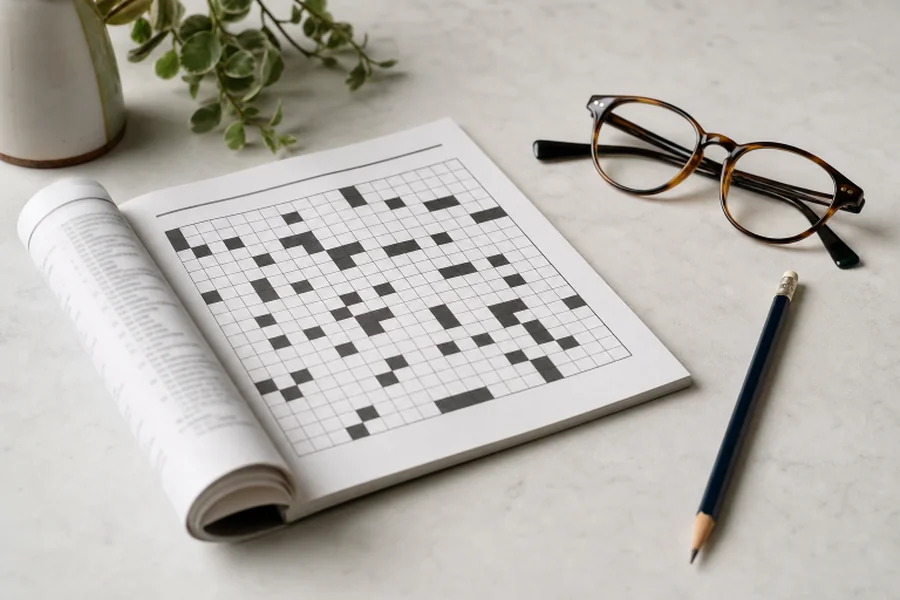
A dependable screen-free routine does not have to be complicated. A pencil, a quiet corner, and a few minutes with a word, number, or logic puzzle can create a useful pause between the demands of the day. Whether you prefer crosswords, word searches, sudoku, or variety collections from a puzzle books publisher, the goal is not to achieve a perfect score. It is to make time for focused, enjoyable play.
Puzzles can fit naturally into the small spaces that often disappear into checking notifications or scrolling. One person may work on a mini crossword before opening morning messages. Another may complete a few Sudoku squares after dinner. A short routine is easier to protect, repeat, and adapt than an ambitious plan that requires an uninterrupted hour.
Why Puzzles Fit Modern Routines
Modern schedules are filled with short transitions: waiting for coffee to brew, taking a lunch break, sitting in the car before an appointment, or winding down before bed. A paper puzzle gives those moments a clear purpose. Unlike background entertainment, it asks for participation. You read a clue, notice a pattern, test an answer, and move to the next small decision.
That active engagement is especially helpful when you want a break without adding another task to your digital life. Keep a puzzle book where you already pause, such as beside the breakfast table or on a side table in the living room. When the materials are visible, starting requires less effort than locating an app, choosing content, or getting pulled into messages.
What Research Says About Puzzles and Focus
It is reasonable to enjoy puzzles for the concentration they require, while keeping health claims in perspective. In one study, researchers analyzed data from 19,078 cognitively healthy adults ages 50 to 93 and found that more frequent word-puzzle use was associated with stronger performance on several cognitive measures.
A separate randomized study involving 100 adults aged 50 and older examined a 30-day home jigsaw-puzzle program alongside cognitive health counseling. It explored visuospatial abilities and provides useful evidence that jigsaw puzzling engages several mental skills. Still, no single hobby can guarantee a sharper memory or prevent dementia. Think of puzzles as one enjoyable part of a broader routine that can also include sleep, movement, social connection, and medical care when needed.
Choosing the Right Puzzle for the Moment
The best choice depends on what you need right now, not on which puzzle seems most impressive.
- For a quick reset: Choose a short word search, mini crossword, or simple number puzzle.
- For deeper focus: Try a logic grid, cryptogram, or more challenging crossword when you have time to settle in.
- For calm repetition: Pick a familiar format with rules you already understand.
- For family time: Use a puzzle that lets people contribute different answers or ideas.
- For beginners: Start with large print, direct instructions, and an approachable difficulty level.
Building a Daily Puzzle Routine
- Choose one regular cue. Attach puzzle time to breakfast, tea, lunch, or the period just before bed.
- Start small. Five to ten minutes is enough to establish the habit.
- Keep supplies nearby. Store a pencil, reading glasses, and puzzle book together.
- Reduce small distractions. Silence alerts and place the phone out of reach for the session.
- Finish while it still feels pleasant. Leaving a few clues for tomorrow can make returning easier.
Sample Routines for Different Schedules
Five-Minute Morning Routine
- Complete one short word or number puzzle before checking messages.
- Circle an unfamiliar word or clue to revisit later.
- Stop at five minutes, even if the page is unfinished.
Ten-Minute Midday Break
- Step away from the desk or main work area.
- Choose a puzzle that holds steady attention without requiring a long setup.
- Follow it with a minute of stretching or a brief walk.
Twenty-Minute Evening Routine
- Settle into a comfortable chair with adequate lighting.
- Work at an unhurried pace without watching the clock.
- Notice which puzzle types felt calming, satisfying, or overly difficult.
Making Puzzles More Relaxing
A puzzle becomes less restful when every blank space feels like a test. Use a pencil so corrections are easy. Create a simple hint rule, such as checking one answer only after trying for several minutes. If you stall, take a short break instead of forcing the solution. Quiet music may help some people concentrate, while silence may work better for others.
It also helps to match the activity to your mood. Cleveland Clinic notes that hands-on hobbies can be selected according to your energy level, with puzzles helping alert minds direct their focus. If a challenging crossword makes you tense at night, switch to a familiar word search or a few easy number puzzles instead.
Common Mistakes to Avoid
- Beginning with a puzzle that is so difficult it creates immediate frustration.
- Making the completion of a full page the daily requirement.
- Treating puzzle time as another productivity goal.
- Assuming one puzzle format suits everyone.
- Making broad medical claims about brain health.
- Ignoring small print, eye strain, poor lighting, or uncomfortable seating.
When to Change the Routine
Adjust the habit when it no longer feels restorative. Repetition can become dull, a greater difficulty level may be discouraging, or a once-convenient time may no longer fit your schedule. Rotate formats to keep the experience fresh: word puzzles on Monday, logic puzzles on Tuesday, number puzzles on Wednesday, and a familiar favorite on Thursday. A routine should serve your life, not become another obligation to manage.
Final Thoughts
A useful puzzle routine does not need to be long, difficult, or expensive. A few quiet minutes can provide a clear break in a busy day and a gentler transition into the evening. Choose puzzles you genuinely enjoy, make the starting point easy, and allow the routine to change with your energy and schedule. The best habit is the one you will be happy to return to tomorrow.