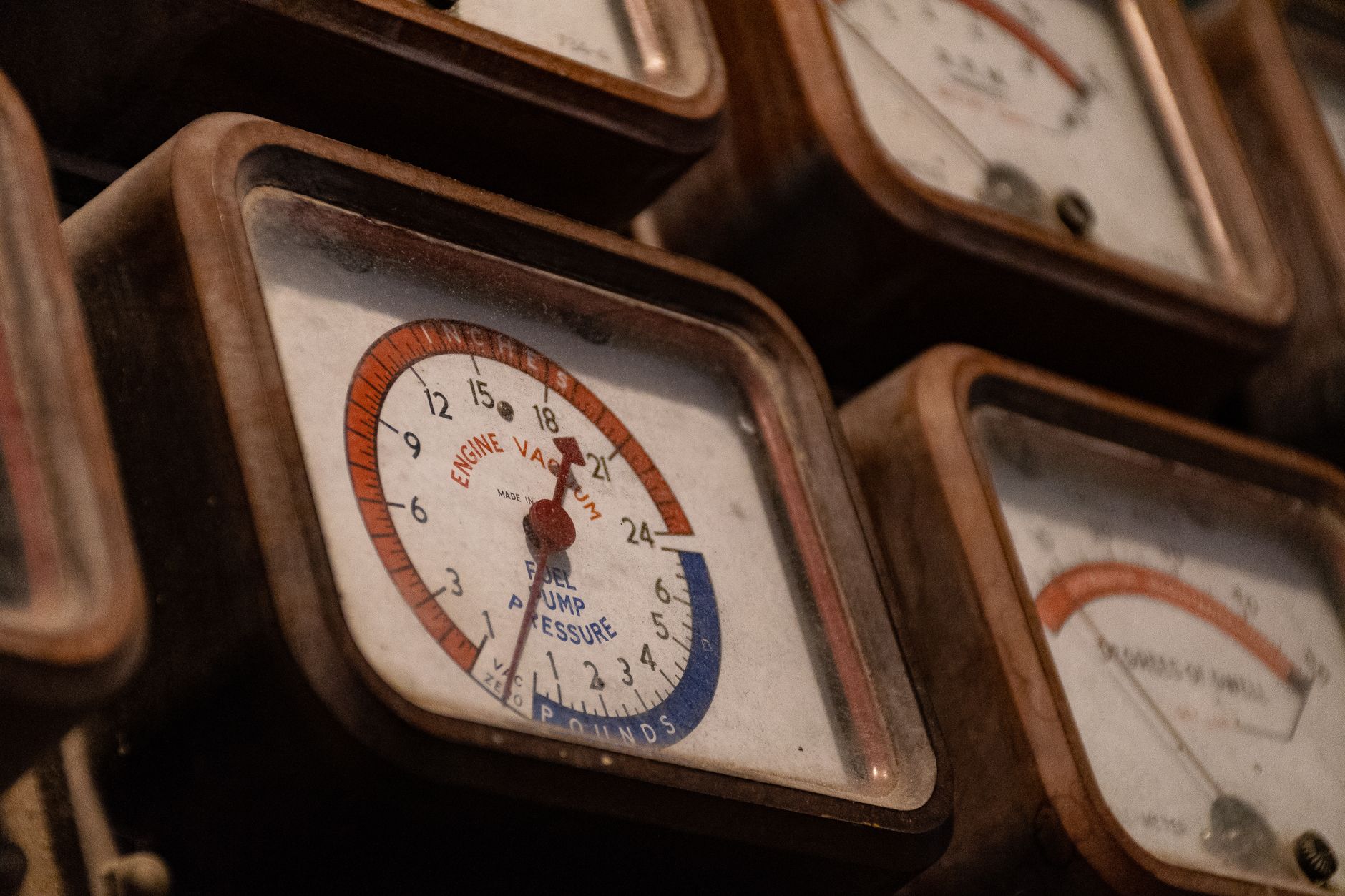
Vacuum systems support several vehicle functions, including brake assistance and certain engine controls. If the pump cannot maintain enough vacuum, the brake pedal may become harder to press, affecting braking performance. Depending on the vehicle, vacuum may come from the engine or a mechanical or electric pump. When servicing the unit, vacuum pump rebuild and seal kits may help address worn internal parts and sealing issues without replacing the entire assembly. Buyers should check the vehicle specifications, pump design and service history to ensure the selected components are compatible.
Warning Signs Worth Raising During an Inspection
Vacuum pump faults can develop gradually. Watch for symptoms such as:
- Hard brake pedal: Reduced assistance may result from a faulty pump, leaking hose, or another system problem.
- Unusual noises: Ticking or grinding near the pump can indicate mechanical wear, although sound alone is not enough to confirm a fault.
- Fluid leaks: Damaged seals may allow oil or other fluid to escape, depending on the pump design.
- Warning lights: Some vacuum-related faults affect engine operation or trigger dashboard warnings.
These symptoms can also point to split hoses, loose connections, faulty check valves, or damaged seals. A mechanic should inspect the complete system before recommending replacement parts.
When a Brake-Related Symptom Is a Safety Concern
A sudden change in brake pedal resistance requires immediate attention. If the pedal becomes unusually hard or braking behaviour changes, stop driving when safe and arrange a professional inspection.
Reduced brake assistance can make stopping more difficult, even if the hydraulic brakes remain operational. A vehicle with an unexplained braking fault should not be purchased without further checks.
How a Mechanic Can Narrow Down the Cause
Replacing the pump without checking the rest of the system may not solve the problem. A mechanic should examine the components involved and establish where the vacuum loss occurs.
Depending on the vehicle, the inspection may include:
- Checking the pump, mounting points, and drive mechanism.
- Inspecting hoses, connections, seals, and check valves.
- Measuring vacuum pressure to assess system performance.
- Checking the electrical supply on electrically operated pumps.
- Identifying the source of any fluid leakage.
It is also worth asking the garage:
- Has the vacuum supply been measured?
- Have the hoses and related valves been checked?
- Is there evidence of internal pump wear?
- What test results support the proposed repair?
The findings should explain why a particular component needs attention. If the problem comes from a damaged hose or valve, replacing the pump may be unnecessary.
When Rebuilding a Pump May Be Reasonable
A complete replacement is not always required. If the housing and working surfaces remain in good condition, some pumps can be rebuilt by replacing worn seals, gaskets, and other serviceable components.
For compatible models, vacuum pump rebuild and seal kits provide parts for this type of repair. Compatibility and kit contents vary, so the pump version and diagnosed fault must be confirmed first.
Rebuilding may not be suitable if the pump has:
- Severe internal wear or damaged working surfaces.
- A cracked or otherwise damaged housing.
- Defects that cannot be corrected with serviceable parts.
- A design that does not support reliable rebuilding.
In such cases, replacement may be the more practical option. Since the system can affect braking assistance, repairs should follow the manufacturer's procedures and be checked by a qualified mechanic.
Checking the Part Before Ordering
Pumps that look alike may have different fittings, drive arrangements, or internal components. Before ordering a repair kit, check:
- Vehicle details: Make, model, year, and specification.
- Engine code: Engine size alone may not identify the correct pump.
- Pump version and part number: Compare the installed unit with reliable parts information.
- Kit contents: Make sure the included seals and gaskets match the repair requirements.
If the specification is unclear, ask a mechanic or parts supplier to verify compatibility. Choosing a kit by appearance alone can lead to incorrect orders and unnecessary delays.
What Buyers and Owners Should Do Next
When inspecting a used car, review its service history and ask about previous pump repairs, fluid leaks, or braking problems. Any unusually hard brake pedal requires professional assessment before purchase. Existing owners should describe the symptoms and have the complete vacuum system checked before replacing components.
The repair depends on the actual fault. A damaged hose may need replacement, while severe pump wear may justify a new unit. The mechanic should verify the system's operation before returning the vehicle to service. Any suspected loss of brake assistance requires prompt professional attention.