You can brush twice a day, floss when you remember, and still have something going wrong in your mouth without knowing it. That is the part many people do not expect. A tooth can look fine in the mirror and still have decay between teeth, a crack under a filling, or early gum disease that does not hurt yet. By the time pain shows up, the problem is often bigger, more expensive, and harder to treat, sometimes even leading to the need for tooth replacement in Fairfield, ME.
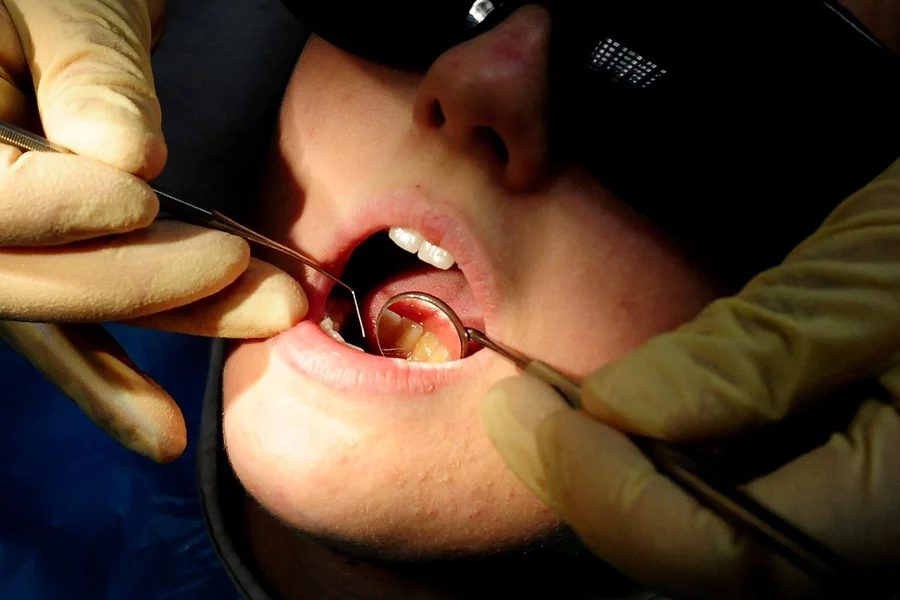
A general dentist does more than clean teeth and point out cavities. Routine visits help uncover issues that stay quiet in the early stages, including infection, enamel wear, bite problems, gum inflammation, and signs of grinding. Hidden dental issues are common because the mouth does not always send clear warning signs right away. A trained eye, a full exam, and the right imaging can catch what daily brushing cannot.
General dentists spot problems before they become emergencies
Most dental problems grow slowly. A small cavity can form between two teeth where your toothbrush does not reach well. Gum disease can begin with mild bleeding that feels easy to ignore. A loose filling may not hurt at first, but it leaves space for bacteria to move deeper into the tooth. These changes often look minor from your side and very different from a dentist’s side.
That gap matters. During a dental exam, a general dentist checks the teeth, gums, bite, soft tissues, and jaw for changes you may not notice at home. X rays can reveal decay under old dental work, bone loss from gum disease, impacted teeth, and infection near the root. Visual screening can also pick up warning signs such as worn enamel, receding gums, dry mouth, and lesions that need a closer look.
You might think, “If it does not hurt, it cannot be serious.” That belief catches a lot of people off guard. Early decay rarely causes pain. Early gum disease often shows up as bleeding when brushing, which many people brush off as brushing too hard. Teeth grinding usually happens during sleep, so the first clues may be headaches, jaw soreness, or flattened tooth edges that only a dentist connects back to clenching.
Hidden dental problems affect more than your teeth
When a problem stays hidden, the effects can spread. Untreated cavities can lead to infection. Gum disease can damage the bone that supports your teeth. A poor bite can create pressure that chips teeth, strains the jaw, and wears down enamel. Dry mouth increases the risk of decay because saliva helps protect teeth from acid and bacteria.
There is also the money side of it, and that stress is real. A small cavity is one thing. A root canal, crown, deep cleaning, or extraction is another. Preventive care usually costs less than repair. That is one reason dental exams for hidden problems matter so much. They give you a chance to deal with something early, when treatment is often simpler and easier on your budget.
General dentists also look for patterns tied to your habits and health. Smoking, diabetes, frequent snacking, acid reflux, certain medications, and teeth grinding all leave clues in the mouth. The CDC’s overview of oral health makes this clear. Oral health is connected to daily function, comfort, and overall well being, not just appearance.
Home care helps, but it cannot replace a general dentist
Good home care lowers risk, and it should. Brushing with fluoride toothpaste, cleaning between teeth, limiting sugary drinks, and keeping up with regular checkups are all backed by the CDC’s oral health tips for adults. Even strong habits have limits. You cannot see under the gumline. You cannot feel early bone loss. You cannot confirm whether a dark spot is surface stain or decay under the enamel.
That is why general dentist visits still matter for people who take care of their teeth. Prevention at home and professional detection work together. One does not cancel out the need for the other.
At home checks and professional exams offer different value
| What You Notice at Home | What a General Dentist Can Detect | Why It Matters |
|---|---|---|
| Tooth sensitivity to cold or sweets | Early decay, worn enamel, cracked fillings, root exposure | Finds the cause before the tooth needs major treatment |
| Bleeding when brushing or flossing | Early gum disease, tartar buildup, gum recession | Early treatment can help stop bone loss and tooth mobility |
| Jaw soreness or morning headaches | Teeth grinding, bite imbalance, joint strain | Protects teeth from fractures and wear |
| No symptoms at all | Decay between teeth, infection under a tooth, failing dental work, oral tissue changes | Many serious issues start quietly |
Small steps help you catch hidden dental issues sooner
Pay attention to subtle changes. Do not wait for severe pain. Sensitivity, bleeding gums, bad breath that stays around, food getting stuck in one spot, or a rough edge on a tooth can all point to a problem starting. Write it down if you tend to forget details by the time your appointment comes around.
Keep routine dental exams on your calendar. A regular visit gives your dentist a baseline. That makes it easier to notice changes from one exam to the next, whether it is a new cavity, gum inflammation, or wear from grinding. Consistency often catches what a one time urgent visit misses.
Be honest about your habits and health. If you smoke, grind your teeth, sip soda all day, take medications that cause dry mouth, or have a condition like diabetes, say so. None of that is about blame. It helps your dentist connect the dots and tailor care to your real risk.
Staying ahead of dental problems is not about being perfect. It is about catching quiet issues before they turn into painful ones. A general dentist can find the things that stay hidden from view, explain what is happening in plain language, and help you deal with it early. If something has felt off, or if it has been a while since your last exam, schedule a visit and get a clear picture of your oral health.