You know something is off with your pet, but the signs are vague. A limp that comes and goes. Labored breathing that shows up at night. A stomach issue that keeps returning even after treatment. That kind of uncertainty wears on you fast, especially when you are looking for pet care in Rancho Cucamonga, because you want answers and your pet cannot explain what hurts.
This is where advanced imaging changes the experience. Instead of guessing based on symptoms alone, an animal hospital can look deeper and find problems that a physical exam or standard X rays may miss. For many families, the biggest benefits are clearer answers, faster treatment decisions, and fewer delays that can cost time, money, and peace of mind.
Advanced imaging in animal hospitals leads to earlier and more accurate diagnoses
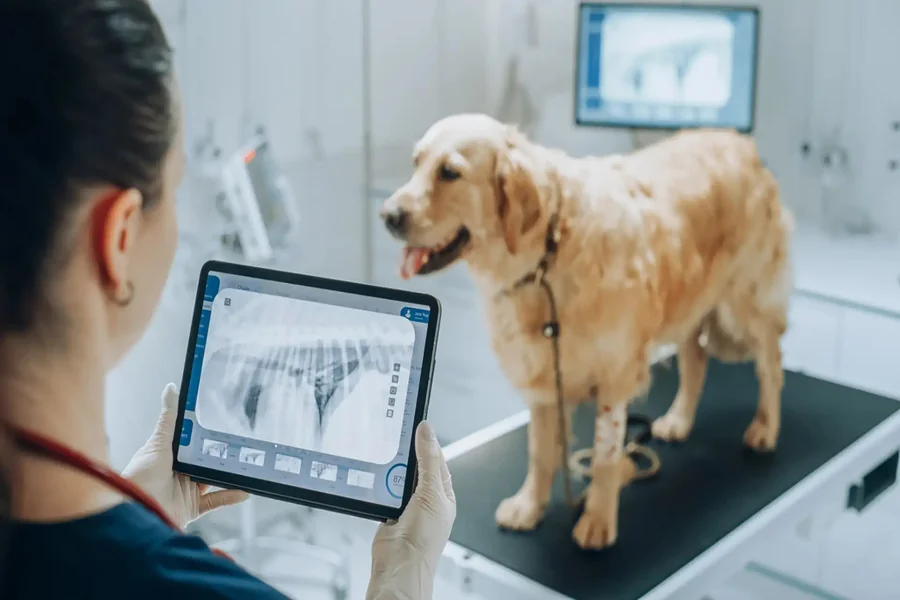
When a pet is sick, the hardest part is often the gray area. Maybe bloodwork is mostly normal, but your dog still seems painful. Maybe your cat is hiding more, eating less, and losing weight, yet the cause is still unclear. In cases like these, advanced imaging gives veterinarians a better view of what is happening inside the body.
Tools such as ultrasound, CT, and MRI can reveal soft tissue injuries, masses, spinal disease, internal bleeding, and organ changes that may not show up well on routine imaging. A JAVMA review on advanced diagnostic imaging in veterinary medicine outlines how these technologies improve the ability to identify disease and guide care with more precision.
That accuracy matters because treatment depends on knowing what you are actually treating. If your pet has weakness in the back legs, there is a big difference between arthritis, a disc problem, and a neurologic condition. They can look similar at home, but they do not have the same plan, timeline, or outcome. Advanced veterinary imaging helps narrow the possibilities before your pet goes through the wrong treatment or unnecessary procedures.
Imaging technology helps veterinarians plan treatment with less trial and error
Unclear diagnoses often lead to a frustrating cycle. You try rest, then medication, then a diet change, then more tests, and each step brings more cost and more waiting. Sometimes that process is reasonable. Sometimes it delays the care your pet needed from the start.
Advanced imaging reduces that trial and error. If a CT scan shows the exact location of a nasal mass, your veterinary team can move forward with a more focused plan. If an ultrasound shows bladder stones instead of a simple infection, treatment changes right away. If an MRI confirms a spinal lesion, surgery or specialty care can be discussed with facts instead of guesses.
Research also supports the value of imaging in clinical decision making. One study published in JAVMA examined imaging use in veterinary patients and showed how imaging findings can directly affect diagnosis and case management. That matters when every day counts, especially in cases involving pain, trauma, cancer, or neurologic disease.
This is one of the biggest benefits of advanced imaging in animal hospitals. You are not just paying for better pictures. You are paying for a clearer path forward.
Advanced imaging can reduce invasive procedures and support safer care
No one wants a pet to go through a procedure they do not need. If imaging can answer the question without exploratory surgery, repeated sedation, or multiple rounds of less useful testing, that is a real benefit.
Ultrasound often helps veterinarians evaluate abdominal organs, fluid, and pregnancy without surgery. CT can map complex fractures or detect chest disease in ways that support safer planning. MRI is especially useful for the brain, spinal cord, and soft tissues, where detail matters. In some cases, imaging also helps specialists guide biopsies or other targeted procedures with less disruption to the body.
A study in the American Journal of Veterinary Research highlights how imaging supports more informed assessment in veterinary patients, which can improve both diagnosis and treatment planning.
There is still cost to consider, and some advanced imaging tests require anesthesia or sedation. That concern is real. Even so, one well chosen test can prevent a string of appointments, medications, and procedures that do not solve the problem. In many cases, diagnostic imaging for pets saves more than time. It spares your pet from prolonged discomfort and spares you from the stress of not knowing.
Comparing common imaging options in an animal hospital
| Imaging Type | Best For | Main Benefit | Limits to Know |
|---|---|---|---|
| X ray | Bones, some chest and abdominal screening | Fast and widely available | Less detail for soft tissues |
| Ultrasound | Abdominal organs, bladder, fluid, heart evaluation | Real time imaging without surgery | Image quality can depend on body type and operator skill |
| CT | Complex fractures, chest, nasal disease, some tumors | Detailed cross sectional images and quick scan time | Often requires sedation or anesthesia |
| MRI | Brain, spinal cord, nerves, soft tissue detail | Excellent detail for neurologic and soft tissue conditions | Higher cost and longer imaging time |
Three steps you can take right away
Ask what problem the imaging is meant to answer. A good imaging recommendation is tied to a specific concern. Is your veterinarian looking for a mass, a blockage, a spinal issue, or internal bleeding? The clearer the goal, the easier it is to weigh the value of the test.
Request a comparison of options, timing, and cost. Sometimes an ultrasound is enough. Sometimes a CT or MRI will answer the question faster and more accurately. Ask what each option may show, what it may miss, and whether waiting could affect treatment.
Plan for the next step before the scan happens. Imaging is most helpful when it leads to a decision. If the scan finds a tumor, what comes next. If it confirms a surgical issue, who will perform the procedure. If it rules out a major concern, what is the fallback plan. That conversation helps you avoid more uncertainty after the results come in.
Clearer answers can bring real relief
When your pet is hurting and the cause is still unclear, the stress can build quickly. You are trying to make the right call with limited information, and that is a hard place to be. The right imaging test can turn a vague problem into a workable plan, which is often the first real relief a family gets in the middle of a health scare.
If your pet has symptoms that are not improving or a condition that needs a closer look, ask your animal hospital whether advanced imaging is the next sensible step. A clearer picture often leads to better care, and better care starts with answers.