


The wellness industry continues to evolve as consumers explore new ways to support their appearance, comfort, and everyday well-being. From functional mushroom supplements to advanced skincare formulations, the variety of products available has expanded considerably. While this creates more opportunities for personal choice, it also makes understanding product quality and safety increasingly important.
Attractive packaging, positive customer reviews, and impressive ingredient claims can make a product appealing, but they don’t necessarily demonstrate its effectiveness. Consumers need to look beyond marketing language and consider factors such as ingredient transparency, manufacturing practices, independent testing, and the strength of scientific evidence.
Making informed decisions doesn’t require specialist knowledge. Learning to recognize meaningful quality indicators and asking practical questions about product claims can help people navigate unfamiliar wellness categories with greater confidence.
Understanding the Growing Interest in Functional Wellness Products
Functional wellness products have attracted attention from consumers interested in nutrition, relaxation, and cognitive well-being. Mushroom-based supplements are one example, with ingredients such as lion’s mane, reishi, cordyceps, and chaga appearing in beverages, capsules, powders, and gummies.
These products can differ considerably in their ingredients and intended uses. Edible mushroom extracts are not interchangeable with psychoactive mushroom substances, and some commercial formulations combine mushrooms with cannabinoids or other active compounds.
The comparison published by Delta Munchies illustrates how mushroom gummy formulations can vary in species, ingredient combinations, cannabinoid content, and product testing. Understanding those differences is an important part of evaluating this emerging category rather than assuming all mushroom gummies offer the same experience.
Scientific research into several functional mushrooms is continuing, but many popular wellness claims still require stronger human clinical evidence. An ingredient’s traditional use or promising laboratory results don’t automatically establish that a finished consumer product produces the advertised benefits.
For shoppers, the most useful starting point is understanding exactly what a formulation contains and whether its proposed purpose is supported by reliable research.
Why Independent Testing Matters for Modern Skincare
Quality verification is becoming particularly relevant in skincare, where increasingly sophisticated ingredients are appearing in products intended for everyday use. Peptides, for example, are used in formulations designed to improve the appearance of skin texture, firmness, and hair.
However, listing an ingredient on the packaging doesn’t establish its concentration, stability, or performance. Consumers benefit from knowing whether manufacturers use reliable testing methods to verify their formulations.
One example is https://plulaboratories.com/, which develops copper peptide-based skincare and hair-care products and publishes information about third-party testing for ingredient concentrations and certain contaminants. Its approach reflects the growing importance of measurable formulation quality and access to testing information.
Independent verification can provide useful evidence that a product contains the stated ingredients at the reported levels. Nevertheless, laboratory confirmation of ingredient concentration is different from clinical evidence demonstrating visible results in consumers.
A transparent manufacturer should make this distinction clear. Strong quality control supports confidence in manufacturing consistency, while well-designed clinical studies are needed to substantiate more ambitious effectiveness claims.
Reading Ingredient Labels Beyond Marketing Promises
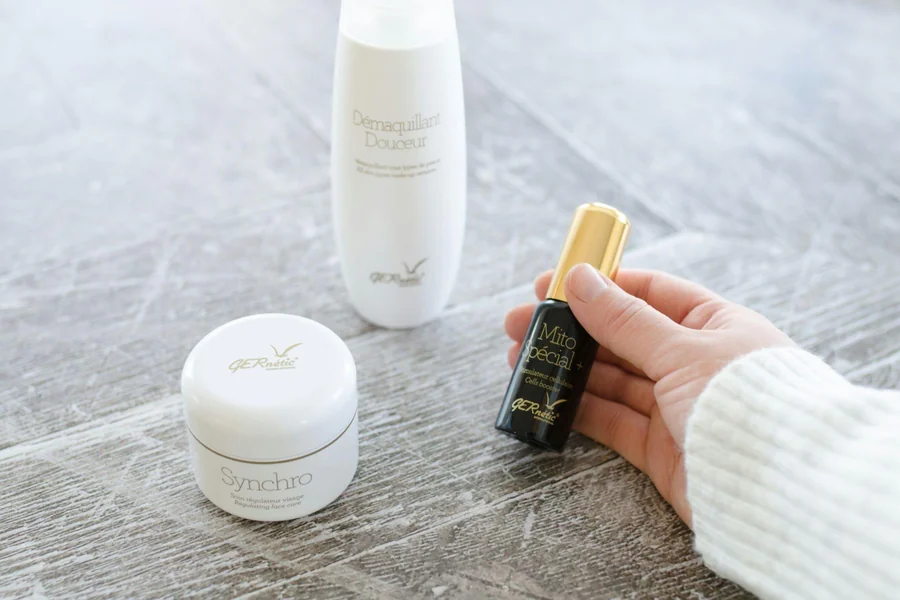
Ingredient labels provide valuable information, although interpreting them can sometimes be challenging. Many wellness products contain unfamiliar botanical extracts, specialized compounds, or combinations marketed under proprietary names.
Understanding the difference between individual ingredients and proprietary blends is particularly useful. When a manufacturer lists the total weight of a blend without disclosing the quantity of each component, consumers may find it difficult to determine whether meaningful amounts are present.
The same principle applies to skincare. A product may prominently advertise a popular active ingredient, but the complete formulation, ingredient concentration, and intended application also influence its characteristics.
Consumers should pay attention to serving sizes, usage instructions, allergen information, and relevant warnings. For topical products, understanding skin compatibility and possible irritation is important. For ingestible products, potential interactions with medications or existing health conditions deserve additional consideration.
Marketing expressions such as “natural,” “premium,” or “clinically inspired” aren’t substitutes for detailed product information. A straightforward ingredient list and clear explanation of intended use are often more helpful than elaborate promotional language.
Recognizing the Difference Between Evidence and Advertising
Scientific terminology has become increasingly common in wellness marketing. References to antioxidants, bioactive compounds, cellular renewal, and innovative extraction techniques can make products appear highly advanced.
Yet scientific language alone doesn’t establish effectiveness. Consumers should consider whether a claim is supported by studies involving the actual finished product, the isolated ingredient, or preliminary laboratory research.
These differences matter because findings obtained under controlled experimental conditions may not translate directly into noticeable effects during everyday use.
Customer testimonials introduce another limitation. Reviews can provide useful information about taste, texture, packaging, and user experience, but individual reports cannot establish that a product reliably improves health.
It’s also worth distinguishing between cosmetic benefits and medical outcomes. A skincare product designed to improve the appearance of fine lines isn’t necessarily a treatment for an underlying skin condition. Similarly, a wellness supplement marketed for general well-being shouldn’t be assumed to prevent or treat disease.
Evaluating evidence carefully allows consumers to appreciate genuine innovation without accepting every promotional claim at face value.
Safety and Responsible Product Selection
Safety deserves attention whenever consumers introduce unfamiliar products into their routines. Individual responses can vary according to age, health status, sensitivities, medications, and the ingredients involved.
This is especially important with products combining multiple active substances. Mushroom gummies, botanical supplements, and cannabinoid-containing formulations may look similar, but their safety profiles and potential effects are not necessarily comparable.
Products containing intoxicating substances introduce additional considerations, including delayed effects, impairment, and legal restrictions. Consumers should not assume that a product is safe or lawful simply because it is available online.
For topical products, introducing one new formulation at a time and performing a patch test can help identify potential irritation. Persistent reactions should prompt discontinuation and appropriate professional advice.
Storage conditions also matter. Following manufacturer instructions concerning temperature, expiration dates, and child-resistant storage helps maintain product integrity and reduce accidental exposure.
Responsible purchasing involves considering not only the expected benefits but also whether a product is suitable for the intended user.
Building a More Informed Approach to Wellness
The growing availability of wellness products makes thoughtful consumer habits increasingly valuable. Instead of purchasing every trending supplement or cosmetic treatment, individuals can begin by identifying their actual needs and deciding whether a particular product addresses them.
Comparing ingredient lists, examining testing information, reviewing credible research, and understanding company policies can reveal meaningful differences between products that initially appear similar.
Price alone isn’t a reliable measure of quality. An expensive formulation may offer useful features, but its cost doesn’t guarantee superior effectiveness. Likewise, a simpler product may adequately meet a consumer’s needs without incorporating fashionable ingredients.
It’s also important to maintain realistic expectations. Supplements and skincare products may complement existing routines, but they cannot replace balanced nutrition, sufficient sleep, appropriate healthcare, or other fundamental aspects of well-being.
As new ingredients and product categories continue to emerge, transparency and evidence will remain essential indicators of responsible product development.
Ultimately, informed consumers are better equipped to distinguish meaningful innovation from short-lived trends. By prioritizing clear labeling, independent verification, realistic claims, and personal suitability, shoppers can explore modern wellness products with greater confidence while making choices that reflect their individual needs and priorities.



1 thought on “What Consumers Should Know About Quality, Safety, and Emerging Wellness Products”