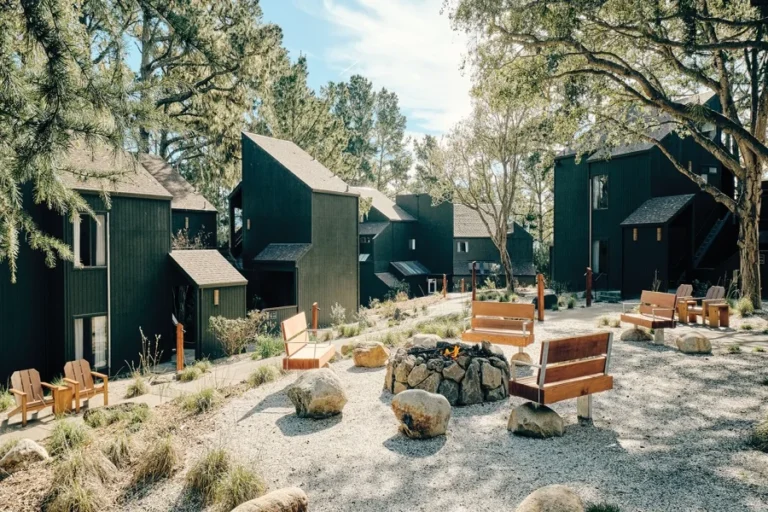


WPC decking, also known as Wood Plastic Composite decking, offers a practical option for creating outdoor spaces while considering durability, maintenance, and environmental impact. It combines wood fibres with plastic to form boards that can handle everyday outdoor conditions.
For homeowners, builders, and designers, this material provides a useful balance between the familiar appearance of timber and the practical qualities of a composite surface. Its practical qualities make it especially useful for people seeking attractive outdoor flooring without demanding attention or frequent refinishing throughout the year.
Understanding WPC Decking
WPC decking is made by combining wood fibres with plastic materials, often including recycled content. The mixture is processed into boards designed for outdoor use. This combination helps reduce some common problems associated with untreated timber, including splintering, rotting, warping, and damage caused by moisture.
One of the main attractions of WPC decking is its consistent appearance. It can be manufactured in different colours, textures, and finishes, allowing it to suit a range of outdoor designs. Some products are made to resemble natural wood grain, giving spaces a warm appearance without requiring the same level of upkeep as many timber surfaces.
Benefits of Choosing WPC Decking
A major advantage of WPC decking is its relatively low maintenance. Timber decking can require sanding, staining, painting, sealing, or other treatments to keep the surface in good condition. WPC generally needs less routine attention, which can save time and reduce the need for maintenance products.
Its durability can also help reduce the frequency of board replacement. For projects where durability and lower maintenance are important considerations,WPC decking can be considered as an alternative to traditional timber decking. A longer-lasting decking surface may use fewer materials over its useful life, particularly when it is properly installed and maintained. Products containing recycled wood fibres or plastics can also help make productive use of materials that might otherwise become waste.
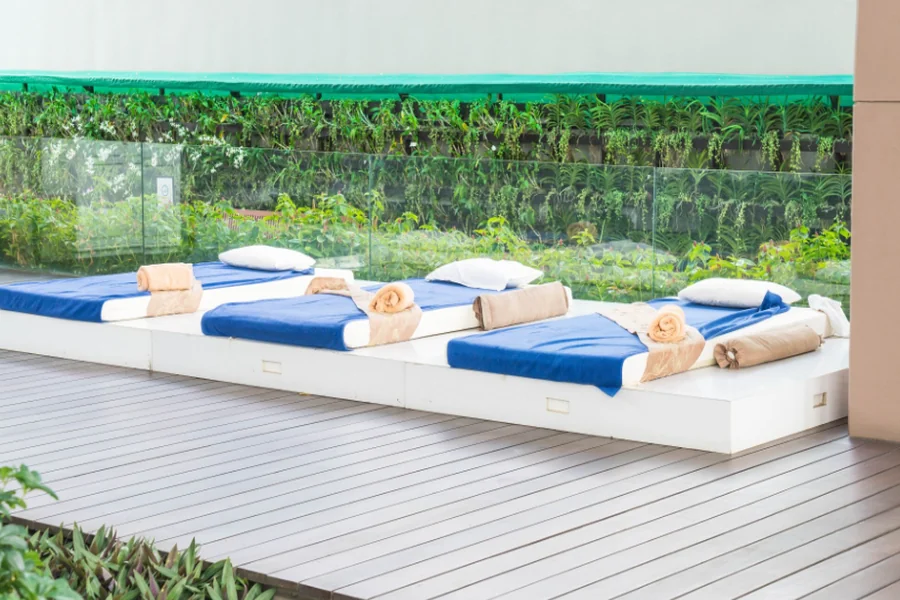
WPC decking is commonly designed to resist moisture, insects, and ultraviolet exposure. These qualities can make it suitable for patios, balconies, garden areas, walkways, and spaces around pools. Some designs also include slip-resistant surfaces, which can provide additional confidence when the decking is used in areas that may become wet.
How WPC Decking Supports Modern Design
Outdoor areas are increasingly treated as extensions of indoor living spaces. WPC decking can support this approach because it is available in a broad selection of colours and surface finishes. Designers can choose a look that complements walls, furniture, landscaping, and other exterior features.
Safety is another consideration. Depending on the product, decking boards may have textured or slip-resistant surfaces that can improve grip. Proper drainage, suitable spacing, and correct installation remain essential, especially in areas exposed to rain or frequent water.
Installation and Maintenance
Installing WPC decking is generally straightforward when the correct system and supporting structure are used. Many products are installed with concealed clips, screws, or other fastening systems. The boards should be fitted according to the manufacturer’s requirements, including recommended spacing and ventilation.
A strong and level substructure is important because composite boards need proper support. Installers should also consider expansion and contraction caused by temperature changes. Following the specified installation method can help prevent movement, uneven surfaces, or premature damage.
Maintenance is usually simple. Regular sweeping can remove leaves, dirt, and other debris. When the surface needs deeper cleaning, water and a suitable mild soap can often remove everyday marks. Spills should be dealt with promptly, particularly if the product has a textured surface where dirt can collect.
Comparing WPC with Timber and Other Materials
Traditional timber remains an attractive choice for outdoor decking because of its natural appearance. However, it can demand more regular care and may be vulnerable to moisture, insects, rot, and warping. WPC offers an alternative for people who want a wood-inspired appearance with less routine maintenance.
Environmental Considerations
The environmental benefits of WPC decking depend on the materials used, manufacturing methods, product lifespan, and disposal options. Boards made with recycled content can reduce reliance on some virgin resources and give existing materials another useful application.
Durability is another important factor. If decking remains functional for many years, fewer replacement materials may be required. However, sustainability should not be judged only by recycled content. Buyers should also consider product quality, expected service life, manufacturing practices, and whether the material can be recycled or reused at the end of its useful life.
Manufacturers continue to explore ways to improve composite production. These efforts can include increasing recycled content, improving production efficiency, reducing waste, and developing better options for recovering composite materials after use.
Choosing the Right WPC Decking
Selecting suitable WPC decking requires more than choosing a colour. Consider where the boards will be installed, how much foot traffic they will receive, and how often the area is likely to become wet. The required level of slip resistance should also be considered for pool surrounds, balconies, and other exposed areas.
Check the board dimensions, surface finish, fixing system, warranty, and care instructions before purchasing. A professional installer can help assess the supporting structure, drainage, spacing, and fastening requirements. Good preparation is essential because even a durable decking product can perform poorly if it is installed incorrectly.
Future Possibilities for WPC Decking
WPC decking continues to develop as manufacturers respond to demand for durable and lower-maintenance outdoor materials. Improvements may focus on more realistic textures, wider colour choices, better heat management, stronger surfaces, and more efficient manufacturing.
A Practical Choice for Outdoor Spaces
WPC decking can provide a sensible balance between appearance, durability, maintenance, and environmental considerations. It offers the visual character of wood while reducing some of the upkeep commonly associated with timber. Its suitability for outdoor areas, combined with different finishes and installation options, makes it a flexible material for modern projects.
The most sustainable choice is one that suits the space, lasts well, and is maintained correctly. By considering material content, expected lifespan, installation requirements, and end-of-life options, buyers can make a more informed decision. With careful selection and proper installation, WPC decking can create a comfortable, attractive, and practical outdoor surface without unnecessary maintenance.