
Choosing the right wattage for a portable power station starts with a simple question: what do you want to run, and at the same time? Watts measure output power, so they tell you whether the unit can handle your devices without overloading. For most buyers, the goal is not just to power one phone or light, but to cover a realistic mix of essentials such as a mini fridge, router, laptop, fan, or small appliance. A good estimate includes both the running power of each device and any extra surge needed at startup. Once you know that number, you can match it to a portable power station with enough rated output and enough battery capacity to deliver useful runtime where and when you need it most.
How to Calculate How Many Watts You Need
Add the Running Watts of Your Devices
Start by listing every device you expect to power and its normal running wattage. If you’re asking “how many watts do I need portable power station”, this simple calculation is the best place to start. You can usually find each device’s wattage on its label, power adapter, or user manual. Then add the wattage of the devices you plan to use at the same time, not every device you own. For example, a router may use 10W, a laptop 60W, a fan 50W, and a portable fridge 60W while running. Together, that is about 180W. If you also want to run a coffee maker or microwave briefly, add that too. This total gives you the minimum continuous output your portable power station should provide, with a safety buffer for stable everyday performance and future device changes.
Account for Starting and Surge Watts
Some devices need extra power for a few seconds when they start. This is common with compressors, pumps, and certain kitchen appliances. A fridge that runs at 60W may briefly demand several times that amount during startup. If your power station only matches running watts, it may shut off or fail to start the device. Check whether the unit lists surge watts, peak output, or technology that supports higher startup loads. A safe rule is to size your station for the largest surge device you plan to run, plus your other active loads. That helps ensure reliable operation during camping trips, blackouts, or mobile use, especially when motors cycle on and off through the day.
What Size Portable Power Station Fits Your Needs?
Choose Wattage for Camping, RVs, and Outdoor Use
For camping and outdoor use, many people do well with 300W to 1,000W if they mainly run lights, phones, cameras, laptops, fans, and a small portable fridge. Move into RV-style use or heavier outdoor setups, and 1,200W to 2,000W becomes far more practical. That range can handle more devices together and gives room for short bursts from appliances with motors or heating elements. Think about your actual routine: charging gear overnight, running a cooler during the day, or using an electric kettle in the morning. If you want flexibility instead of bare-minimum power, choose a wattage rating that comfortably exceeds your expected simultaneous load rather than one that only barely covers it.
Choose Wattage for Home Backup and Power Outages
For home backup, a practical target is often 1,000W to 2,000W of rated output. That range can cover core essentials such as a refrigerator, internet equipment, lights, fans, laptops, and phone charging during an outage. If you only need communications and small electronics, lower wattage may work, but most households benefit from extra headroom. A unit sized around 1,500W is especially useful because it can support several essential loads at once without feeling restrictive. You should also look beyond watts and check battery capacity in watt-hours, since runtime matters during longer outages. A strong backup choice balances steady output, startup capability, charging speed, and enough stored energy for meaningful use.
A 1,500W Power Station for Everyday Backup Needs
Where a 1,500W Rated Output Makes Sense
A 1,500W portable power station is a smart fit for people who want one unit for both emergencies and daily convenience. It is strong enough for many essential household loads, yet still manageable for car travel, camping, and moving between rooms. This wattage works well when you want to power a fridge, router, lights, fan, and personal electronics, or occasionally run a higher-draw appliance within the available headroom. It also gives a more comfortable margin for startup surges than smaller entry-level units. If your goal is everyday backup rather than whole-home power, 1,500W is often the point where a portable power station becomes versatile enough to handle real situations instead of just basic charging tasks.
Anker SOLIX S2000: 1,500W Rated, 3,000W Peak
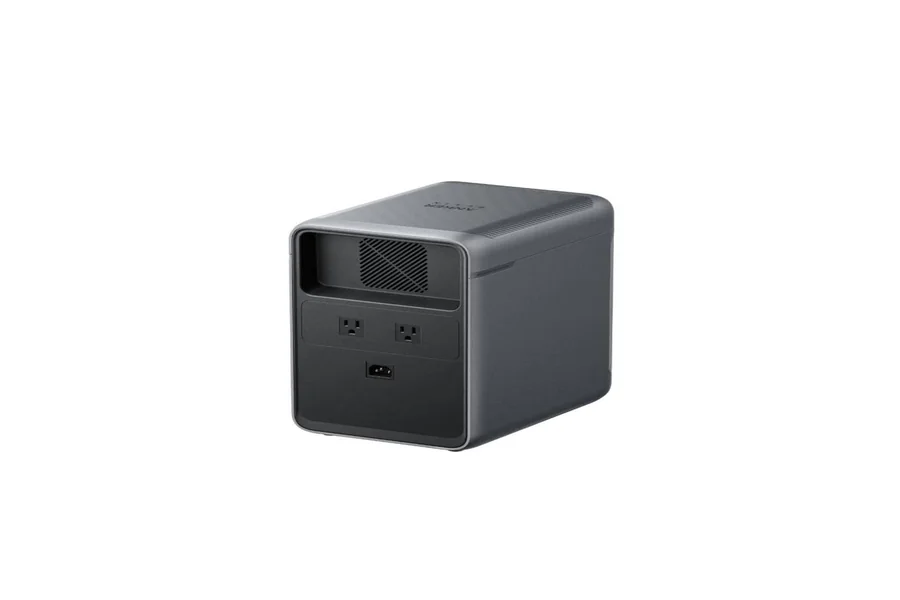
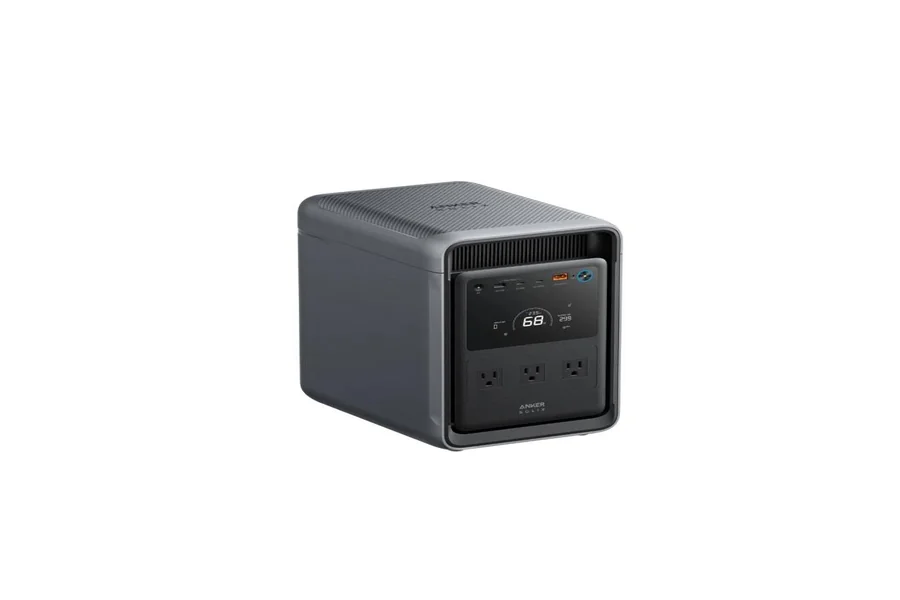
The Anker SOLIX S2000 Portable Power Station fits this category with a 1,500W AC rated output, 3,000W peak AC output, and up to 2,600W SurgePad output for tougher startup loads. Its 2,010Wh LFP battery is designed for long service life, with 6,000 cycles to 80% capacity, and it supports up to 400W of solar input. For outage readiness, it offers 10ms UPS switchover and five 15A AC outlets. It also charges quickly, reaching 80% in 1.2 hours with ultra-fast AC charging. At 16.2 kg, it remains highly portable for home backup, camping, or room-to-room use, while still delivering enough output for most essential household appliances and electronics.
Conclusion
To choose the right portable power station wattage, total the running watts of the devices you will use together, then make sure the unit can also handle startup surges from appliances like fridges and pumps. For light camping and personal electronics, a lower-wattage model may be enough. For RV use, home backup, and outages, 1,000W to 2,000W is usually the more useful range. A 1,500W portable power station stands out because it covers many everyday essentials without becoming too large to move or store. Pair that output with enough watt-hours for the runtime you need, and you will have a much more dependable setup. The best size is the one that matches your actual loads with comfortable headroom built in.