

AR glasses can be worth buying when a personal large-screen experience fits activities you already do regularly. The useful question is not how advanced the technology sounds, but where it would enter a normal week. Someone might watch movies in a small room, play games through a handheld console, stream shows while traveling, or connect a laptop for focused viewing. In these situations, wearable displays create value by making screen size portable. Judging everyday usefulness therefore starts with routines, frequency, and the kinds of content you already enjoy.
Start With the Screen Experiences You Already Value
Movie Lovers Can Carry a Cinema-Scale View Between Places
People who regularly watch movies and long-form video have one of the clearest reasons to consider ar glasses. A wearable display can create the perception of a much larger screen without requiring a large physical television in every location. That changes where cinema-style viewing can happen. A bedroom, hotel room, airplane seat, or other personal space can become a place for large-format entertainment. RayNeo GT Max AR Glasses, for example, create a 267-inch virtual display with a 59-degree field of view. The Peacock Optical Engine 3.0 Max also supports up to 1,200 nits perceived brightness, 200,000:1 contrast, and 98% DCI-P3 color coverage. For frequent viewers, these specifications connect directly with a familiar activity rather than creating an entirely new routine.
Gaming Makes Portability More Interesting
Gaming provides a different test of everyday value because screen motion and responsiveness become especially important. A compatible handheld console, smartphone, PC, or other gaming device can supply the content while the glasses become the personal display. This arrangement can suit someone who already moves between a desk, sofa, bedroom, and travel environment. RayNeo GT Max supports Full HD 1920 × 1080 resolution and up to a 120Hz refresh rate for 2D content. Its direct USB-C connection works with compatible devices that provide DisplayPort video output, while supported HDMI devices can connect through an adapter. Rather than judging wearable displays only by virtual screen size, regular gamers can consider how naturally a portable display would fit the devices and gaming sessions they already use.
Long Viewing Sessions Put Fit Into the Buying Decision
A display can become part of everyday life only when its physical design works with repeated wear. That makes fit a practical buying criterion rather than a secondary specification. Interpupillary distance, or IPD, affects how the optical system aligns with the wearer’s eyes. GT Max comes in three IPD sizes: S for measurements below 64 mm, M for 64–67 mm, and L for measurements above 67 mm. Adjustable nose pads provide another fit adjustment. Prescription users can also use custom prescription lenses designed for the glasses. The product includes OptiCare with 3840Hz high-frequency dimming for extended AR use. When evaluating a device for movies, gaming, or other longer sessions, these fit and viewing characteristics deserve attention alongside screen specifications.
Everyday Value Depends on How Easily the Glasses Change Roles
Spatial Modes Can Match Different Viewing Situations
The same virtual screen does not need to behave identically everywhere. Watching a film while sitting still creates a different viewing situation from streaming content during a journey. Spatial modes allow the display to respond accordingly. RayNeo GT Max provides three native 3DoF modes through its Zone 360 3DoF Chip. Pinned Mode fixes the screen in one position and suits focused, cinema-style viewing. Steady Mode maintains stable viewing with subtle natural movement, making it suitable for travel and commuting. Follow Mode keeps the screen centered as the wearer moves their head, which fits casual everyday viewing. This flexibility matters because everyday use rarely consists of one repeated setting. A wearable display becomes more versatile when the screen behavior can match where and how someone chooses to watch.
One Pair of Glasses Can Follow Several Content Sources
A useful everyday display should make sense across more than one part of a person’s device setup. Someone might watch video from a smartphone at lunch, connect a laptop later, and play through a handheld gaming device in the evening. GT Max supports direct connection through DisplayPort-compatible USB-C and works with compatible smartphones, tablets, laptops, PCs, and handheld consoles that provide the required video output. HDMI equipment can also connect through the RayNeo HDMI Adapter. Pairing the glasses with Pocket TV Pro adds a Dolby Vision AR experience, while AI real-time SDR-to-HDR conversion is supported across compatible devices. This broad content-source approach can make wearable displays particularly relevant for people whose entertainment already moves between several screens and devices during the week.
Sound Completes the Personal Viewing Setup
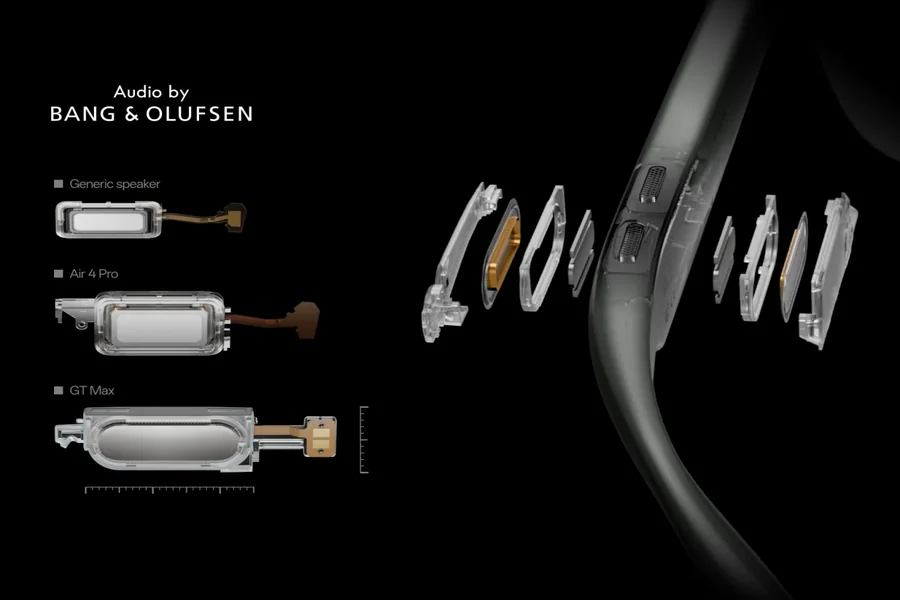
Everyday viewing involves audio as well as the screen. Wearable displays can integrate speakers directly into the glasses, keeping the visual and audio experience within the same personal setup. GT Max uses a racetrack quad-speaker system tuned with Bang & Olufsen and supports immersive spatial sound with head tracking. Whisper Mode 2.0 provides another listening mode, while an optional Sound Tube can direct audio toward the ears. Spatial audio is especially relevant when paired with a virtual cinema display because sound can contribute to the sense of scale and direction created by the visuals. For a buyer, this means everyday value should not be judged from screen size alone.

Conclusion
AR glasses are worth buying for everyday use when portable large-screen viewing matches habits you already have. Frequent movie watching, gaming, travel, and switching between compatible devices can all create practical opportunities for a wearable display. Fit, spatial viewing modes, audio, refresh rate, and connectivity then determine how naturally the glasses fit those routines. Rather than asking whether AR glasses are universally necessary, consider how many times during a normal week you would genuinely choose a personal virtual screen over a fixed display.