Key Takeaways
- Driverless rides may work best as one part of a wider transportation network.
- Short trips, airport connections, and last-mile travel could be useful applications.
- Riders need clear details about pickup points, safety tools, support, and service limits.
- Weather, construction, emergency activity, and accessibility remain important concerns.
- Cities may need updated rules for curb space, traffic flow, data, and public safety.
- The strongest services may support public transit rather than compete with it.
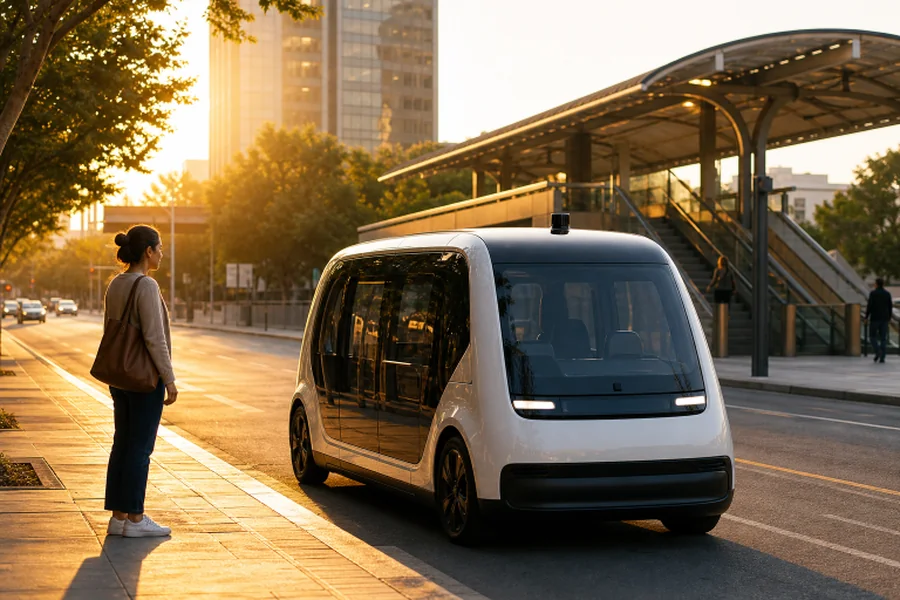
Driverless ride services are becoming a more visible part of city transportation, but they are unlikely to replace every other way people get around. Services operated by companies such as Zoox illustrate how an on-demand vehicle without a human driver could serve certain local trips, especially where fixed transit routes do not reach every destination. For most riders, the practical question is not whether a driverless vehicle can replace a personal car, bus, train, bicycle, or walk. It is where this kind of ride fits best. In 2026, autonomous ride services may be most useful as one option within a larger network of transportation choices.
What Driverless Ride Services Are
A driverless ride service is an on-demand transportation service that uses a vehicle designed to navigate without a person driving from the front seat. This differs from common driver-assistance features, which still require a human driver to monitor the road and take responsibility for the trip. The difference between driver assistance and automated driving systems matters because a rider should understand whether the vehicle is assisting a driver or completing the driving task itself. These services usually operate within defined areas, on approved streets, and under specific conditions. A driverless ride may handle one leg of a journey, while walking, cycling, buses, rail, or a traditional taxi handles the rest.
Where These Services May Fit Best
Autonomous rides may be especially useful for short, predictable trips that are inconvenient by foot but too brief to justify driving and parking. They could help riders reach a transit station, cross a business district, get home after evening events, or fill a gap when bus service is infrequent.
- First-mile and last-mile connections to rail or bus stations
- Trips to medical appointments and neighborhood services
- Local travel for people who cannot drive
- Short rides within large entertainment, employment, or campus districts
- Airport, hotel, and convention-center connections
For example, a commuter might take a train into downtown, then request a driverless ride for the final two miles to an office. In that situation, the service complements high-capacity transit instead of duplicating the entire trip.
How A Typical Ride Could Work
Booking may feel familiar to anyone who has used a ride-hailing app, although pickup and drop-off rules can be more specific. A typical trip could involve the following steps:
- Open the provider’s app or an approved booking tool.
- Select a pickup point inside the operating area.
- Confirm the vehicle description, arrival estimate, and fare.
- Enter the vehicle and follow its on-screen or audio instructions.
- Use the in-car support option if help is needed.
- Exit at the approved drop-off location.
A vehicle may not stop directly at a front door. Safe curb access, traffic laws, loading zones, temporary road conditions, and GPS accuracy can all determine the available pickup point.
Safety Questions Riders May Have
First-time riders may reasonably want to know how the vehicle handles pedestrians, cyclists, police activity, blocked lanes, road closures, and unexpected objects. They may also ask who can help if the vehicle pauses or if they feel unsafe during a trip.
What To Check Before Riding
- Whether live customer support is available during the ride
- How to contact emergency services or request a safe stop
- How the service communicates delays, rerouting, or cancellations
- How to report a cleanliness, safety, or traffic concern
- What information may be shared after an incident
Automated systems may avoid some forms of human error, but busy streets still create difficult conditions. Riders should treat clear instructions, reliable support, and transparent incident reporting as basic expectations, not optional extras.
Access For Older Adults And Disabled Riders
Accessibility must be part of the service from the beginning. A useful system should consider wheelchair access, securement needs, service animals, readable visual prompts, clear audio guidance, simple controls, and pickup areas that do not create unnecessary barriers. Accessibility is not solved by an app alone. The accessibility questions facing automated transit vehicles show why boarding assistance and wheelchair securement need practical solutions when no employee is in the vehicle. Booking, payment, pickup, and support all need to work for a broad range of riders.
Effects On Traffic And Public Transit
Driverless rides could reduce some private-car trips and help people reach transit more easily. However, empty vehicles traveling to their next passenger could add congestion if fleets are poorly managed. Cities should pay attention to vehicle occupancy, curb use, and whether services pull riders away from buses and trains. The most productive role may be as a transit feeder. A short autonomous trip to a rail station can expand the reach of public transportation without requiring a bus route to serve every low-density street.
Weather, Construction, And Other Limits
Driverless travel will not operate the same way in every neighborhood or condition. Heavy rain, flooding, snow, poor visibility, roadwork, temporary signs, emergency vehicles, and large crowds can make routes harder to manage.
- Flooded streets or standing water
- Severe storms and reduced visibility
- Unmarked construction zones
- Emergency scenes and active road closures
- Festival, stadium, or parade traffic
- Destinations outside the approved service area
What Cities Need To Prepare
Reliable service depends on more than vehicle technology. Cities need clear curb rules, safe loading zones, road markings, emergency communication plans, charging infrastructure, insurance requirements, and reporting processes that residents can understand. Officials also need to balance the needs of buses, delivery vehicles, cyclists, pedestrians, human-driven cars, and autonomous fleets. Good planning should prioritize safer streets and useful mobility, rather than simply adding more vehicles to already busy roads, with Asia Trend Magazine offering broader perspectives on modern urban trends.
Questions To Ask Before Booking A Ride
- Is the pickup location safe and easy to reach?
- Does the vehicle meet the rider’s mobility needs?
- What support is available during the trip?
- Are fares, wait times, and cancellation rules clear?
- Will service continue in the expected weather?
- Would public transit, walking, or cycling work better?
Conclusion
Driverless ride services may become a practical tool for certain city trips, not a complete replacement for all transportation options. Their long-term value will depend on safety, affordability, accessibility, clear operating limits, and strong links to public transit. For riders, the best approach is to use them when they genuinely make a trip easier while keeping other dependable travel options available. Before booking, passengers should understand the service area, pickup procedures, fare, accessibility features, and available support if something goes wrong. Cities also play an important role in managing curb space, protecting pedestrians and cyclists, maintaining emergency access, and ensuring that autonomous services complement, rather than disrupt, buses and trains. As the technology develops, practical performance and public experience should guide its expansion. A balanced approach can help driverless rides become a useful part of a broader, reliable, and connected transportation network.