

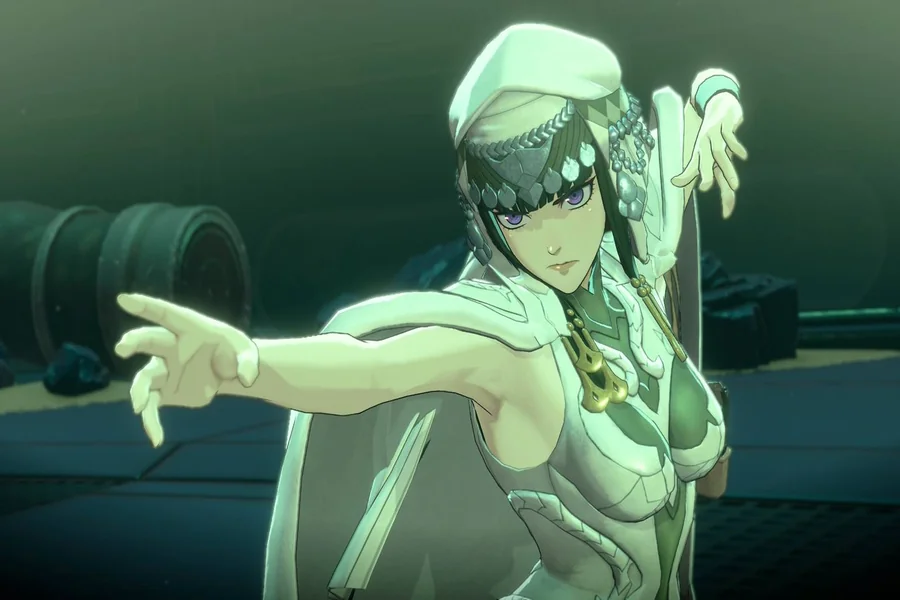
Nintendo has now revealed considerably more than the original announcement trailer showed. We know when the game will arrive, how its four story paths work and which systems players will use between battles. Some questions remain, particularly around permanent death, romance and connections to earlier Fire Emblem games.
Fire Emblem Fortune’s Weave release date and Nintendo Switch 2 exclusivity
Fire Emblem: Fortune’s Weave will be released in the UK on 17 September 2026. It is being developed for Nintendo Switch 2 and will not receive a version for the original Nintendo Switch, according to the game’s current product information. Nintendo UK lists it as a single-player strategy RPG with a PEGI 12 rating.
The game supports TV, tabletop and handheld play. It will also be the first Fire Emblem title to offer Joy-Con 2 mouse controls, allowing players to move units and open battlefield information by using a controller as a mouse. Standard button controls remain available, and players can switch between the two methods during play.
Nintendo has announced a regular edition and a Dagdan Collection. The collector’s version includes the game, a steel case, character art cards, a map of Dagda and an art book. UK pricing and stock may vary by retailer, so buyers should check Nintendo’s regional listings before placing an order.
The Heroic Games shape the Fire Emblem Fortune’s Weave story
The story moves between two periods in the history of the Dagdan Empire. In 1449, fighters gather in the capital city of Dagsion for the Heroic Games, a tournament held in honour of the empire’s founder. The ruler, Solel, promises to grant one wish to the winner.
The tournament’s uncertainty and winner’s reward may be familiar territory for readers interested in an online casino, but Fortune’s Weave is not a gambling game. It is a single-player tactical RPG in which preparation, unit placement and character development determine the outcome of its battles.
Five years after the Heroic Games, Dagda is close to destruction following the return of the demon god Balor. Sothis sends a soul into this ruined future, while the goddess Fortuna offers another option: travel into the past, change the lives of four missing heroes and bring them together for the final conflict.
Players can guide one hero at a time, but they are not locked into a single route until it is finished. Visiting the Pale Raven’s perch in Dagsion allows them to move between the four stories, with progress retained separately for each path. This structure should make it possible to follow the connected events in parallel rather than completing four isolated campaigns.
Cai, Dietrich, Theodora and Leda lead four playable paths
Cai comes from the village of Ribeira and enters the Heroic Games after his father is imprisoned beneath Dagsion. He fights alongside childhood friends and appears to fill the young lead role often found in Fire Emblem stories, although Nintendo has not described any one of the four heroes as the sole central character.
Dietrich is a foreign warrior who reaches Dagda after a shipwreck. His desire to test himself in combat draws him towards the tournament, where he gathers new allies. His Blaze Art lets him use an ink-black cloak to move across the battlefield, giving his route a potentially different tactical rhythm.
Theodora is the queen of Saramis. She enters with experienced retainers and wants to defend her kingdom while restoring the honour of the Keeper of Death and Night, a goddess feared elsewhere in the setting. Her position as a reigning monarch may offer a different view of Dagda’s religious and political tensions.
Leda abandons a privileged life after her father is murdered. When she discovers that his killer is due to compete in the Heroic Games, she enters the contest to seek revenge. Her musical background also affects combat, as her Blaze Art uses a vihuela to strengthen allies and summon a monster.
Tactical combat retains familiar Fire Emblem systems
Battles still use the grid-based, turn-by-turn format associated with Fire Emblem. Players choose their units, decide where to deploy them and consider movement ranges, attack distances and terrain before committing to an action. Adjacent allies can provide bonuses, while careful positioning can prevent an enemy from making an effective counterattack.
The weapon selection includes swords, axes, spears, bows, gauntlets and magic. Each type has its own practical use. Spears can inflict heavy damage on cavalry, axes trade accuracy for power, and magic can damage heavily armoured opponents or support friendly units.
Combat Arts return as powerful attacks that consume weapon durability. The four lead characters also have Blaze Arts, which cost health points rather than durability. These character-specific abilities include Cai’s wide fire attack, Dietrich’s battlefield teleportation and Leda’s musical support powers.
Fortuna’s Blessing provides a way to reverse previous actions during a battle. Nintendo says players can return to any earlier point after a move, which gives them room to correct a positioning error or prevent a unit from being routed. The system resembles the turn-reversal mechanics used in recent Fire Emblem releases, but it is tied directly to the new game’s time-travel story.
Fire Emblem classes include charioteers and elephant riders
Fortune’s Weave divides its known classes into Beginner, Specialty and Advanced categories. The five Beginner Classes include gladiators, diviners and ornius riders, while more than ten Specialty Classes offer narrower battlefield roles.
Nintendo has shown several unusual options among the higher classes. Charioteers can attack multiple opponents arranged in a line, wing soldiers can cross obstacles, and cataphracts combine mounted movement with heavy armour. Elephant riders will also appear, giving the Dagdan setting a military style that differs from the medieval European influence seen across much of the series.
Changing class requires a certification exam. Passing is not guaranteed, so units need suitable skills before attempting one. This resembles the exam system in Fire Emblem: Three Houses, although Nintendo has not yet explained the exact requirements, success rates or limits attached to certification.
Exploring Dagsion adds time management between battles
Players will have a limited amount of time between Heroic Games matches. Training at the Arena Plaza can improve skills, unlock new moves and allow units to use stronger weapons. On match days, the arena can also be used to watch future opponents and gather information about their tactics.
Dagsion contains shops, temples and inns. Weapons can be purchased or upgraded at the Shopping Arcade, while work at Temple Row provides temporary blessings such as stat increases or reduced damage. Inns allow characters to rest, share meals and hold support conversations.
Recruitment also takes place in the city. Some warriors will join immediately, while others may need gifts or a shared meal before accepting an invitation. Townspeople provide quests with deadlines, adding another demand on the player’s available time.
The world outside Dagsion is open for limited exploration. Moving across the map consumes time, so visiting towns, fighting skirmishes and entering dungeons will require some planning. Dungeon encounters use a separate clash system in which allies combine attacks, rather than following the standard format used during tournament matches.
Sothis may connect Fortune’s Weave to Fire Emblem: Three Houses
Sothis is one of the most recognisable names revealed so far. The character played a central role in Fire Emblem: Three Houses, and her presence has led to questions about whether Fortune’s Weave takes place in the same world or during another period in its history.
Nintendo has not confirmed the precise relationship between the games. The new setting contains its own countries, gods and historical events, while the returning name and character design suggest that the resemblance is deliberate. Until Nintendo or Intelligent Systems explains the connection, claims about Dagda sharing a timeline with Fódlan remain speculative.
The option to switch between four heroes also recalls the route-based storytelling of Three Houses, but Fortune’s Weave handles that idea differently. Its paths can be played alongside one another, and time travel appears to bring their separate outcomes into a shared final battle.
What Nintendo has yet to confirm about Fortune’s Weave
Nintendo has not said whether the traditional permanent-death option will return. Difficulty settings, romance, support limits and any New Game Plus mode also remain unconfirmed. The available material shows support conversations and recruitment, but it does not explain how deep those relationships will go.
There is no confirmed post-launch expansion plan either. Nintendo’s product listings indicate that the game may contain in-game purchases, but the company has not detailed any downloadable content, expansion pass or optional items. That label alone should not be treated as confirmation of paid story content.
What has been shown points to a substantial mixture of tactical battles, route-based storytelling and time management. The Heroic Games give the campaign a clear structure, while the ruined future provides a reason to revisit the four heroes’ choices. Fire Emblem: Fortune’s Weave will reveal how those strands fit together when it reaches Nintendo Switch 2 on 17 September 2026.